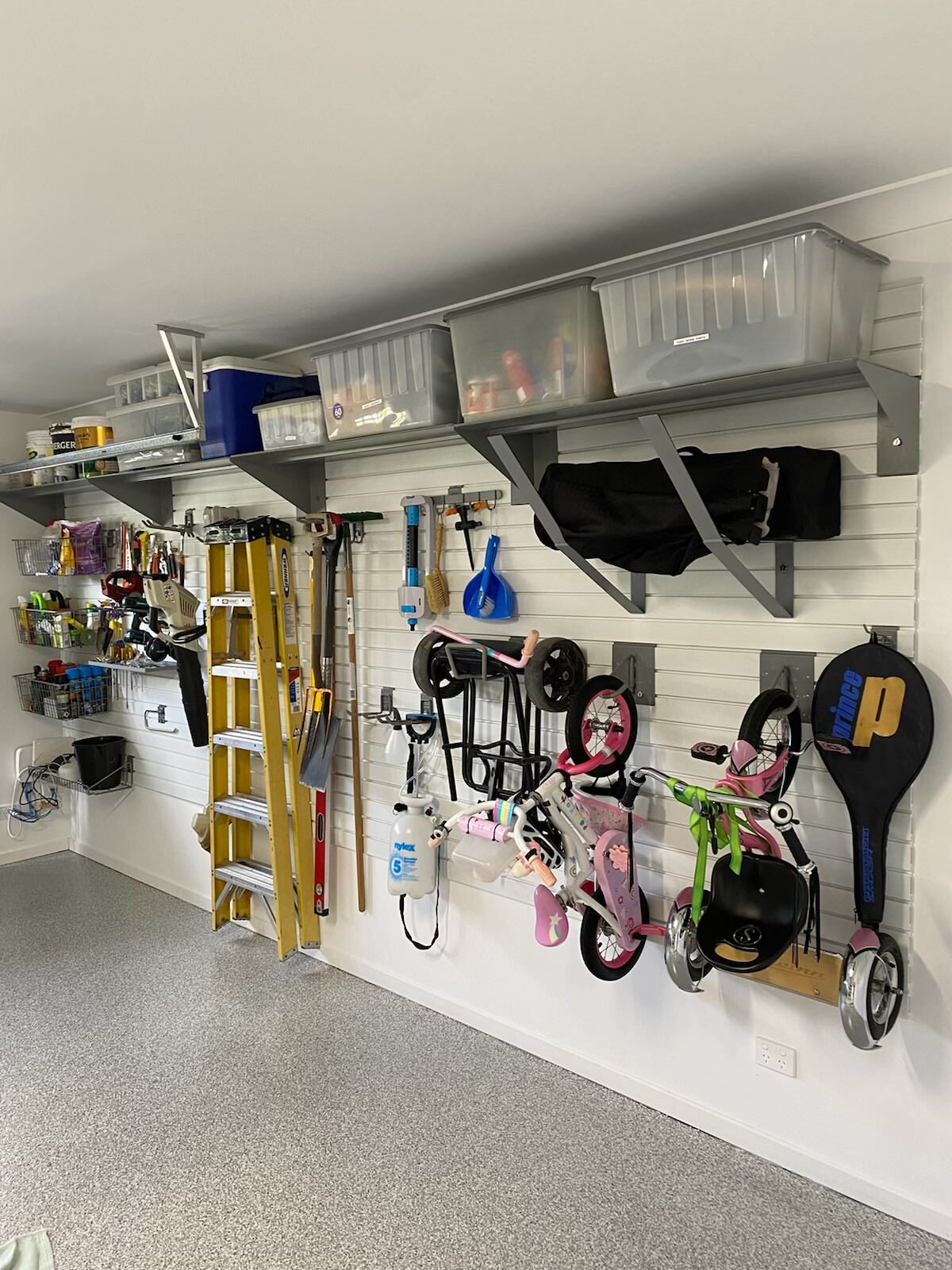
Access an Additional $20 Off All 2438mm Wall Panels!
CALL US

0411 280 646

Categories
garage design Garage Hooks Garage Ideas garage makeover Garage Walls Sports Ball Storage Sports Equipment StoreWALL Workbench

How to Organise a New Garage

How to Organise a New Garage

7 Things to Do Before You Move In

Moving into a new home is one of the few times in life you get to start from scratch. Every room is clean. Every wall is bare. The garage, especially, is a blank canvas — and it won’t stay that way for long.

Most people wait until after moving in to think about garage storage. By then, bikes are already propped against the wall, tools are in a pile on the floor, and there’s a cardboard box graveyard in the corner that no one wants to deal with. The garage becomes a dumping ground because there was no system in place before the dumping started.

The solution is simple: plan your garage storage before moving day. It takes a few hours, costs nothing extra if you buy the right system from the start, and it’s the single best thing you can do to keep your new home organised for years to come.

Here’s exactly what to do — in order.

“Every hook, shelf, and bin in a slatwall system slides in without tools. You can rearrange the entire wall in an afternoon as your life changes.”
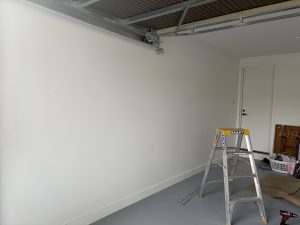
How to Organise a New Garage

MEASURE YOUR WALLS BEFORE YOU BUY ANYTHING

Grab a tape measure and spend fifteen minutes in the empty garage. Write down the usable wall width on every wall — accounting for the garage door track, any windows, and the internal door. In a standard double garage, you’ll usually have 5–6 metres of usable wall space. A single garage gives you roughly 2.5–3.5 metres.

Also measure the wall height from floor to ceiling, and note the position of power points and lights. This tells you how many panel rows you can fit and where your working zone sits (typically 1–2 metres off the floor for tools and bikes).

DECIDE WHAT YOU’RE STORING — BEFORE CHOOSING ACCESSORIES

This sounds obvious, but most people skip it. They buy a bundle of hooks and figure it out later. The result is a wall full of accessories that don’t quite match what they need.

Instead, write a quick list of every category of item that will live in the garage: bikes, power tools, garden tools, sports gear, camping equipment, cleaning supplies, the lawn mower. Then sort the list into two groups: daily use (goes at eye level, easy to grab) and occasional use (can go up high or in a corner).

That list is your accessory shopping list. Work from it, not from what looks good in a photo.

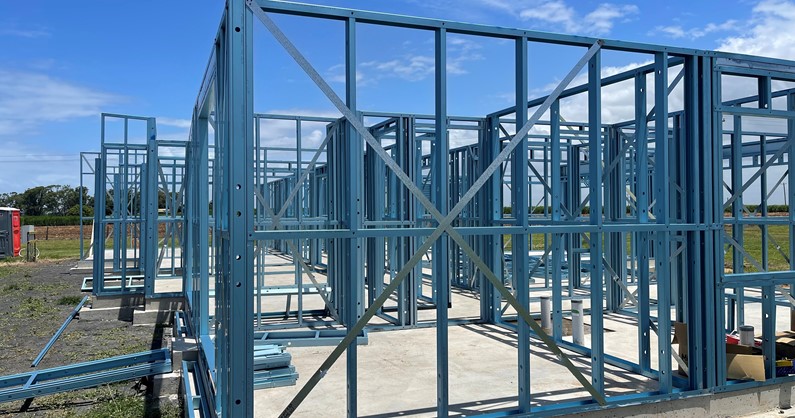
ASK YOUR BUILDER TO ENSURE STUDS ARE CENTERED 450MM APART.

If your new home is still under construction, this is a tip that takes thirty seconds to ask for and delivers a sturdier and stronger garage wall on which to install any garage storage solution.

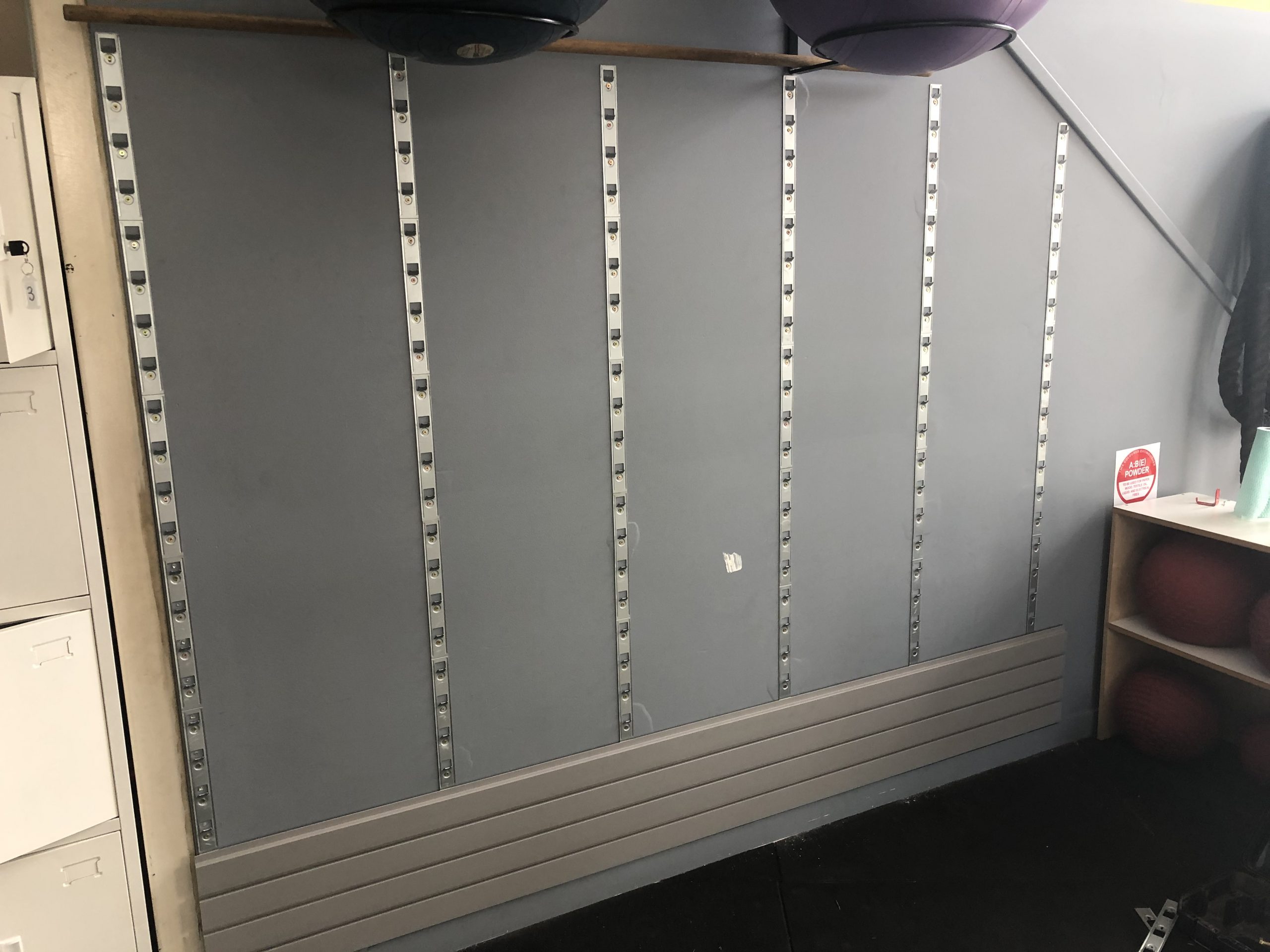
450mm gap between studs which is standard inside the home ensure more installstrips per wall panel and therefore a more robust garage wall storage solution.

INSTALL YOUR WALL PANELS BEFORE THE FIRST BOX ARRIVES

A StoreWALL installation on a single wall takes two to three hours for two people. You need a impact driver (drill), a spirit level, a stud finder, and the right fixing screws for your wall type. The panels go up one row at a time — perfectly level, anchored to studs or masonry, clipped together at the joints.

Once the panels are up, every hook, shelf, bin, and bracket slides onto the rails without any additional drilling. That means you can change the layout as many times as you want without touching a drill again.

The key is to get the panels up before your garage fills up. Working in an empty garage is significantly easier than trying to measure and drill around bikes, tools, and boxes.
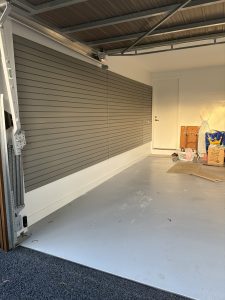
How to organise a new garage

START WITH BIKES — THEY’RE THE HARDEST THING TO STORE ON THE FLOOR

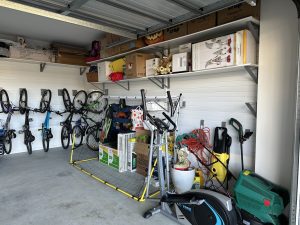
Bikes take up more floor space per item than almost anything else in a garage. Two adult bikes leaning against a wall can block a third of a single garage’s floor space. Getting them on the wall immediately changes how usable the garage is.

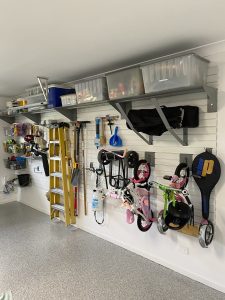
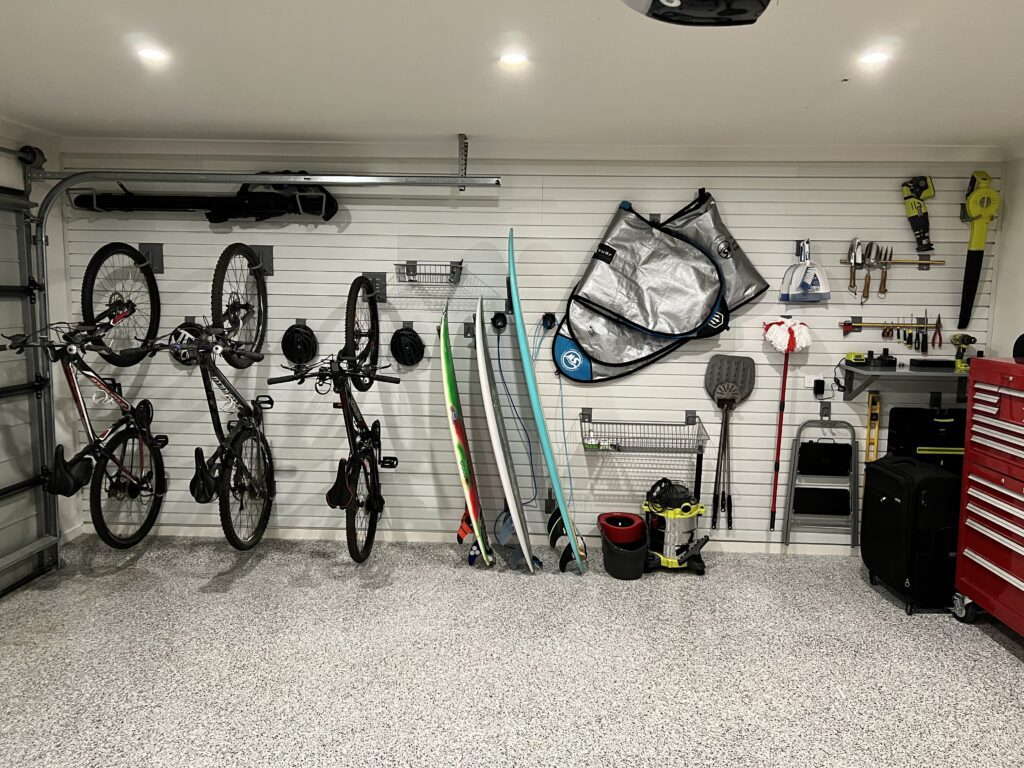
For a double garage with two or more bikes, rotating bike hooks are the most space-efficient option — they fold the bike horizontal to the wall, staggering front and back wheels so two bikes can hang in the space of one. A J hook is ideal for a single bike or a child’s bike at a lower height.

CREATE ONE DEDICATED TOOL ZONE

New homeowners often make the mistake of spreading tools all over the wall — a hook here, a bin there, a shelf in a random spot. A year later, you can’t find anything and the wall looks chaotic.

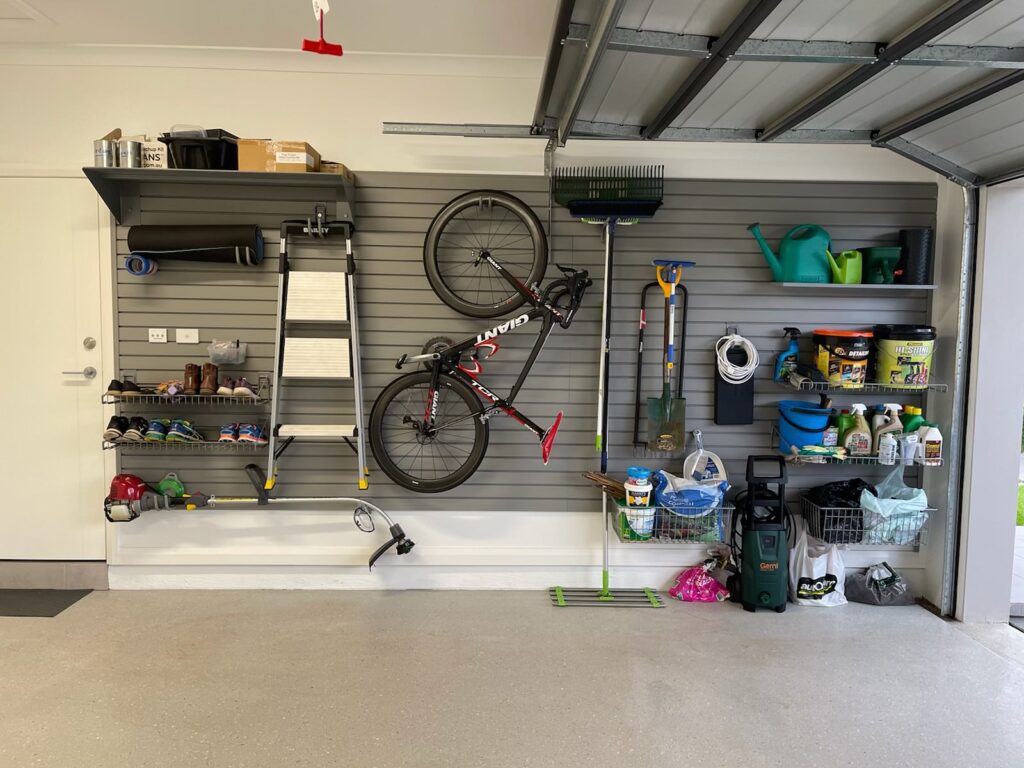
Instead, dedicate a single zone (usually the centre section of the back wall, around 1–1.5m wide) to your tool setup. A shelf at workbench height holds items you use while standing. Hooks below keep drills, saws, and hand tools visible and reachable. Bins above hold bits, fasteners, batteries, and small accessories.

Keeping everything in one zone means you always know where to look, and you build a mental map of the wall quickly.

LEAVE ROOM TO GROW — DON’T FILL EVERY SLOT IMMEDIATELY

When you install a new garage storage system, the temptation is to fill every available inch immediately. Resist this. Your storage needs will change — a new baby means a pram and a balance bike. A new hobby means camping gear or surfboards or craft supplies. A new car might need its own space.

A slatwall system’s great advantage is that it grows with you. Leave a section of your panels empty for six months and you’ll quickly discover exactly what needs to live there. Accessories slide in and out in seconds — there’s no wrong answer, and no permanent commitment.

The only rule: get the panels on the wall now, while the garage is empty. Everything else is flexible.

“The garage you set up in week one becomes the garage you have for the next five years. It takes a weekend to get right — and it’s worth every hour.”

THE BOTTOM LINE

A new home garage is a rare opportunity. You have a blank wall, no existing clutter, and a fresh start. Spending a few hours before moving day — measuring, planning, and installing a wall panel system — sets you up for a garage that stays organised as your family grows and your storage needs change.

Most new homeowners spend money on furniture, appliances, and garden plants in the first month. The garage comes last. But the garage is where you make most of your mess — and where the right system makes daily life genuinely easier.

Start with the panels. Get the bikes up. Build the tool zone. Leave room to grow. That’s it.
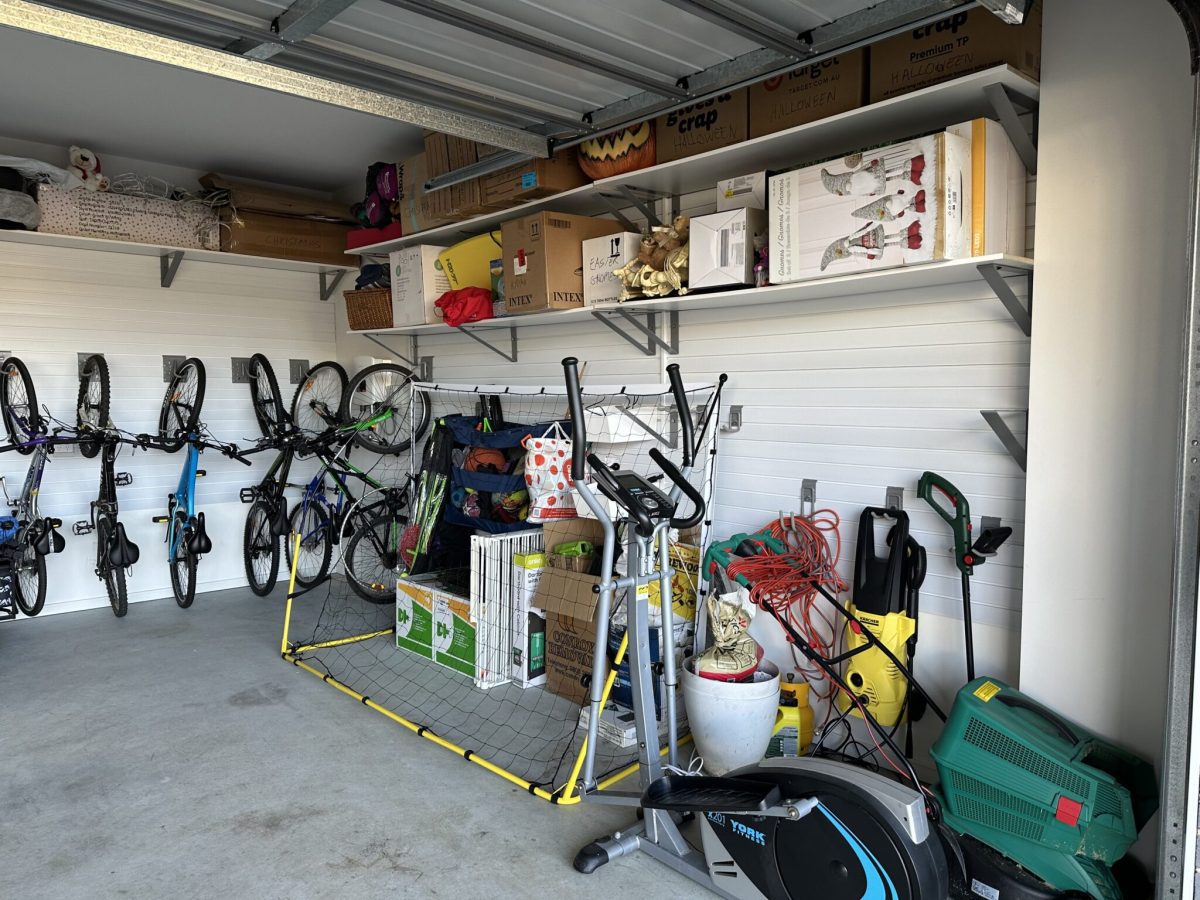
Categories
Garage Ideas garage makeover Shelving StoreWALL

How to Manage Weight on Your Shelves

When installing shelves, it’s essential to understand how to manage the weight they will hold to prevent damage or accidents. Here’s a guide on how to effectively manage weight on your shelves and how brackets contribute to their stability.

Understanding Shelf Load Capacity

The load capacity of a shelf refers to the maximum weight it can safely support without bowing, sagging, or breaking. This capacity depends on factors such as the material that the floating shelf is made of, its thickness, length, and the quality of the brackets used for support. Overloading a shelf can cause it to warp, detach from the wall, or collapse entirely, posing safety risks and potential damage to your belongings.

How to Manage Weight on Your Shelves

Distributing Weight Evenly

To maximize the shelf’s durability, distribute weight evenly across its surface. Place heavier items closer to the wall or directly above the brackets, where the shelf is strongest. Lighter items should be positioned toward the front or on the ends. This approach minimizes stress on the shelf and prevents it from tipping or sagging.

The Importance of Brackets in Shelf Support

Brackets play a critical role in supporting a shelf’s weight. They are the primary means of transferring the load from the shelf to the wall. The number, size, and spacing of brackets directly affect how much weight a shelf can handle:

  • Number of Brackets: The longer the shelf, the more brackets it will need. For example, a shelf up to 1.2 meters typically requires two brackets, while a 1.8-meter shelf requires three. Adding more brackets reduces the span of unsupported shelf length, thereby increasing the weight it can bear.
  • Bracket Size and Material: Larger, sturdier brackets provide better support and can hold more weight. Choose brackets that match the depth of your shelf and are made of strong materials, such as metal, to ensure durability.
  • Spacing Between Brackets: Brackets should be spaced evenly to distribute weight efficiently. For heavier loads, reduce the spacing between brackets to increase support. A good rule of thumb is to place brackets no more than 60 cm apart.
How to Manage Weight on Your Shelves

Recognizing Signs of Overloading

Signs that your shelf may be overloaded include bowing or sagging in the middle, the shelf pulling away from the wall, or cracking sounds from the brackets or shelf material. If you notice any of these signs, reduce the load immediately and consider adding more brackets for reinforcement.

How to Manage Weight on Your ShelvesExamples of incorrect spacing, 2 or 3 brackets over 2.4m
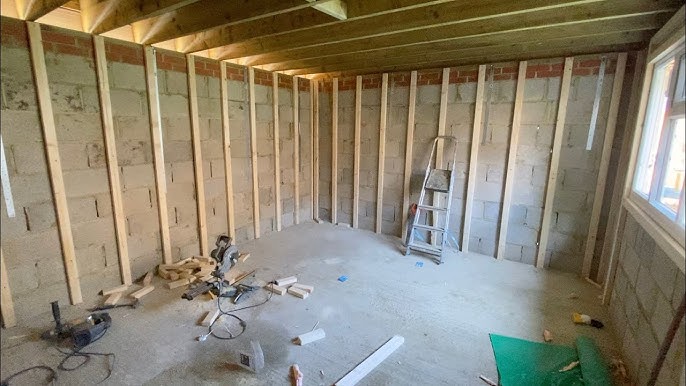
Choosing the Right Wall Anchors

The effectiveness of your brackets also depends on the wall anchors used. Anchors should be appropriate for the wall type (drywall, plaster, brick, etc.) and strong enough to handle the combined weight of the shelf and its contents. Heavy-duty anchors, such as toggle bolts or molly bolts, are recommended for heavier loads.

Regular Maintenance and Safety Checks

Periodically check your shelves and brackets for signs of wear, damage, or loosening. Tighten any loose screws, replace damaged brackets, and ensure the shelf remains level and secure. Regular maintenance helps prevent accidents and prolongs the life of your storage solution.

Proper weight management on shelves and the strategic use of brackets is crucial for creating safe and functional storage spaces. By understanding load capacity, distributing weight evenly, and choosing the right brackets and anchors, you can maximize the utility of your shelves while ensuring they remain secure and stable.

Categories
Garage Ideas garage makeover Garage Walls Slatwall StoreWALL

If You See a Reddit Review Saying “Think Twice About StoreWALL” — Here’s What You Should Really Know

There’s a Reddit post (about 2 years old) in the garage organisation threads titled “If you’re looking at StoreWALL, think twice.” (Reddit) It’s important to read every review — but also to understand context, common industry engineering realities, and the broader range of customer experiences.

Let’s break it down and clarify what’s real, what’s misunderstood, and what every homeowner should consider before dismissing a premium garage storage system.

1. One User’s Experience ≠ Entire System Failure

In the Reddit post, the customer described a panel failure after six months under load — implying that the system is inherently unsafe.

Here’s what’s crucial to understand:

  • Weight ratings are not guesses — they are based on tested load capacities at specific points measured in controlled conditions.
  • Every modular wall storage system (including gladiator and proslat brands) can fail if installation standards aren’t fully met or loads are applied in ways the system wasn’t designed for (e.g., far from studs without adequate backing).
  • StoreWALL, like other premium systems, has published load ratings and installation recommendations to help you mount it safely — and these matter more than anecdote.
  • We publish load ratings at the wall surface and 10cm from the wall.
  • We also publish ratings for each accessory, ie how much it can hold in weight.

A single panel incident doesn’t prove systemic failure — it suggests either a specific installation or loading issue that likely could have been prevented with correct mounting or load distribution.

2. Installation Matters — A Lot

Wall storage systems rely on strong anchoring to your structural studs or masonry. What’s rarely discussed in one-off reviews:

  • In this particular case, the customer secured the panels directly to the wall using screws. They did not use installstrips.
  • Whilst this installation method works, the load capacity of the panel and therefore the hooks is much less than specified.
  • The customer mentioned using installstrips in some places and not in other due to bulging and loose panels. This bulging is most likely due to an uneven wall and poor leveling at installation. The installstrips themselves are only a few mm in thickness so they themselves can cause bulging.
  • A direct installation through the panel may seem like a tighter more secure fixing of the panel to the wall.  However, the load is only supported by the fasteners/screws and the panel. Whereas when Installstrips are used, these metal brackets sit between the panel and the wall. Having all three support your weight it better than just the two.

3. “Crash” Incidents Don’t Automatically Mean Product Fault

When someone says a panel failed and materials fell off the wall — several possibilities exist beyond a product defect:

  • Improper stud engagement or fastener choice
  • Loads applied in ways exceeding recommended ratings

If a panel is properly mounted into studs and loads are distributed correctly, the likelihood of failure is near zero. Our experience selling StoreWALL for the past 10 years has proven this.

4. Weight Ratings Are Technical — Not Arbitrary

Weight capacities are usually rated for loads applied directly at the panel surface, not at extended distances (like heavy tools hung far out from the wall surface). This is common with all slatwall systems:

  • StoreWALL’s capacity ratings include at surface and at 10cm from surface.
  • A hook’s rating is one thing
  • A lever force (weight held far from the wall with leverage) is another
  • Over leveraging is easy to do. If the ladder sits at the end of the hook, and the hook has a depth of 30cm, then the weight in this case is extended to 30cm from the wall. Heavy items should shit as close to the wall as possible.
  • If you consider the type of ladder in this case and its depth, the 40lbs was sitting on the Utility Hook, with the weight spread across the depth of the Hook. I believe that this ladder was too heavy for the hook and its depth pushed the weight to the end of the hook. It was over leveraging.
  • I think the ladder could probably have rested on the ground, supported by hook. It would have been a safer option.

Both need proper engineering consideration — and advanced systems like StoreWALL offer accessories designed to handle these scenarios, as well as guidance on how to mount and distribute loads.

Crucially, StoreWALL’s CamLok locking mechanism secures the accessory to the wall, allowing for easy on/off without worrying that the hook itself will give way and come off the wall.

5. Load Capacity varies by manufacturer.

You can purchase storage systems at Bunnings that state their wall rail can support 100KG when installed with 6 just screws. See our notes comparing the Storease and the Gladiator system.

At StoreWALL, we have always recommend installing with Installstrips to give you the best experience you can have with our systems.

Choosing the right system means understanding your storage loads, installation surface, and accessory needs — not just the brand name.

6. Reviews Should Be Balanced — Look at Both Sides

While negative feedback can be useful, it’s important to weigh it against the broader consensus from:

These frequently highlight:

  • Ease of installation
  • Robust accessory options
  • Long-term performance in real garages which contrasts with isolated negative anecdotes.

7. What You Should Do as a Potential Buyer

If a Reddit post concerns you:

  1. Evaluate load requirements — what will you hang?
  2. Choose proper fixings into structural studs
  3. Use accessory ratings appropriately
  4. Ask for professional installation if unsure
  5. Compare broad user feedback
  6. Watch the various installation videos to understand the installation process.
Categories
Brick Walls garage design Garage Ideas garage makeover Garage Storage On TV Garage Walls Slatwall StoreWALL

Battening out a brick wall

Battening out a brick wall is a common practice in construction and renovation, but it’s not always necessary for every project. Understanding when and why you should batten out a brick wall can help ensure the longevity and stability of your installations, whether you’re adding insulation, installing garage wall panels, or creating a smooth surface for new finishes. In this article, we’ll explore the situations that require battening, the benefits of the process, and a step-by-step guide on how to do it.

What Does Battening Out Mean?

Battening out a brick wall refers to the process of attaching vertical wooden battens (strips of timber) or metal furring strips to a brick or masonry wall. These battens create a framework that allows you to attach various materials, such as plasterboard, insulation, or garage panels, while maintaining an air gap between the wall and the new surface. This method is commonly used when the surface of the wall is uneven, damaged, or needs extra support for the materials being attached.

When is it Necessary to Batten Out a Brick Wall?

Not every brick wall will need battening out, but there are several situations where it becomes essential:

Uneven or Damaged Brickwork

  • If the brick wall is uneven or damaged, it’s challenging to achieve a smooth, level surface using plasterboard or panels alone. Battening out the wall creates a uniform, level framework for attaching these materials, ensuring a better finish and stronger support.
Adding Insulation
  • If you’re renovating an old building or a garage and need to add insulation, battening out the wall is often necessary. Battens create the space needed for insulation boards or rolls to fit securely between the wall and the interior cladding. This not only improves energy efficiency but also helps prevent moisture buildup.

Installing StoreWALL or Similar Garage Wall Panel Systems

  • Heavy-duty slatwall systems like StoreWALL require a stable and even surface to support their weight and functionality. If the brick wall is very uneven, damaged, or if you need to create a gap for wiring and other installations, battening out the wall provides the necessary support and structure for secure installation.

Moisture and Damp Issues

  • If the brick wall is prone to moisture or dampness, battening out the wall can help create an air gap that improves ventilation and reduces the risk of moisture-related damage. This is particularly important in basements, garages, or older buildings where damp issues are common.

Accommodating Electrical and Plumbing Systems

  • When installing electrical wiring, pipes, or other systems that need to run behind the interior surface, battening out the wall creates the space needed to conceal these elements safely and effectively.

Benefits of Battening Out a Brick Wall

  • Creates a Level Surface: Ensures that the final surface, whether it’s plasterboard, panels, or tiles, is level and professional-looking.
  • Improves Insulation: Allows for the addition of thermal or acoustic insulation, enhancing energy efficiency and soundproofing.
  • Provides Support: Offers a stable structure for mounting heavy items like shelving, wall panels, or large installations.
  • Moisture Control: Helps manage moisture by creating an air gap that improves ventilation and reduces the risk of damp issues.
  • Flexibility for Services: Allows for the easy routing of cables, pipes, and other utilities behind the wall surface.

Step-by-Step Guide to Batoning Out a Brick Wall

If you determine that battening out your brick wall is necessary, follow these steps for a successful installation:

Tools and Materials Needed:

  • Wooden battens or metal furring strips
  • Electric drill with masonry bit
  • Wall plugs and screws
  • Tape measure
  • Spirit level
  • Pencil or marker
  • Saw (if cutting battens)
  • Insulation boards or rolls (if insulating)

Steps:

  1. Measure and Mark the Wall
    Begin by measuring the height and width of the wall where you’ll be installing the battens. Mark the positions where each batten will be placed, typically spacing them 400–600 mm (16–24 inches) apart. Ensure that the markings are level using a spirit level. A typical interior wall has studs at 450mm intervals. You can use this as your guide for spacing out your battens.
  2. Cut the Battens to Size
    If using wooden battens, ensure you select wood that is as straight as possible. Cheap bent wooden battens will not fix an uneven brick wall. Cut the battens or furring strips to the required length using a saw. Ensure they are cut precisely so they fit snugly from floor to ceiling.
  3. Drill Holes in the Wall
    Using an electric drill with a masonry bit, drill holes at the marked positions where you’ll attach the battens. These holes should be deep enough to accommodate wall plugs and screws.
  4. Attach the Battens to the Wall
    Insert wall plugs into the drilled holes. Place the batten against the wall and drive screws through the batten into the wall plugs. Check each batten with a spirit level to ensure it is vertical and aligned properly. Tighten the screws securely to hold the battens in place.
  5. Install Insulation (Optional)
    If you’re adding insulation, cut the insulation boards or rolls to fit between the battens. Fit them snugly into place, ensuring there are no gaps that could reduce the effectiveness of the insulation.
  6. Attach the Cladding or Panels
    Once the battens and insulation (if applicable) are securely in place, you can proceed with attaching the cladding, plasterboard, or garage wall panel system. Use the battens as the framework for securing these materials, ensuring they are level and securely fastened.
  7. Final Checks
    Once everything is installed, check that the new surface is level and free of gaps or movement. Make any necessary adjustments before finishing with paint, wallpaper, or other finishing touches.

Conclusion

Battening out a brick wall is a practical solution in many renovation and construction scenarios. Whether you’re dealing with uneven brickwork, adding insulation, or installing a heavy-duty system like StoreWALL, battoning ensures a secure and professional finish. By following the steps outlined in this guide, you can achieve a stable and effective installation, improving both the aesthetics and functionality of your space.

If you’re planning a project that involves battening out a wall, ensure you have the right tools and materials on hand, and always consult a professional if you’re unsure about the wall’s condition or structure.

Categories
garage design Garage Hooks Garage Ideas Shoe Rack Slatwall StoreWALL

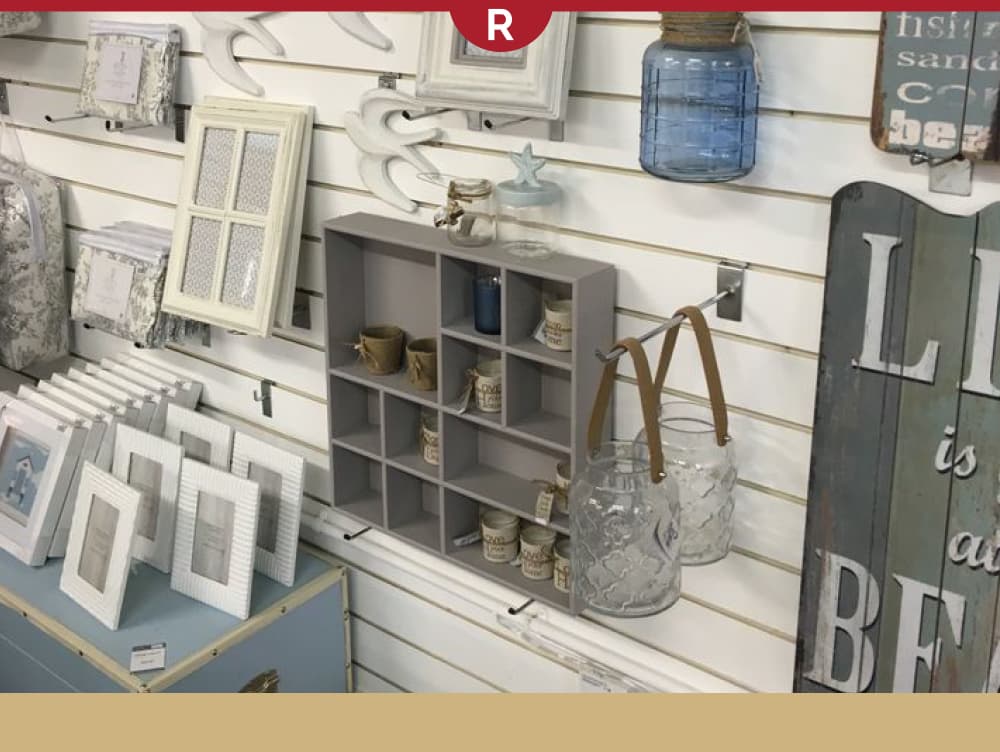
Transform Your Retail Space with Slatwall Panels

A Must-Have for Merchandising Success

When it comes to designing a retail store, creating a visually appealing and functional display system is key to attracting customers and boosting sales. Enter Slatwall, a versatile and durable display solution that has become a staple in retail environments across industries. Here’s why Slatwall panels are an essential addition to your store and how to use it effectively.

Why Choose Slatwall Panels for Retail?

  1. Versatility for Every Product
    Slatwall panels can accommodate various accessories, such as hooks, brackets, bins, and shelves. This adaptability allows you to display anything from clothing and accessories to electronics, tools, and groceries.
  2. Maximized Space Efficiency
    With vertical panels, Slatwall optimizes wall space, keeping your floor uncluttered and your store organized.
  3. Customizable and Reusable
    You can rearrange displays with ease to match seasonal trends, new inventory, or promotional campaigns without needing new fixtures.
  4. Aesthetic Appeal
    Available in a range of finishes, Slatwall can complement your brand’s style and elevate the overall look of your store.
  5. Durability
    Designed to handle heavy-duty use, Slatwall panels can support both light and heavier merchandise with the right installation and accessories.
How to Use Slatwall in Retail
  1. Clothing and Apparel Stores
    Use hooks to hang garments or shelves to display folded clothing. Add bins for accessories like hats or scarves to create a visually dynamic layout.
  2. Electronics and Tech Shops
    Showcase items like headphones, phone cases, or gadgets using custom brackets and holders.
  3. Home Improvement and Hardware Stores
    Display tools, power equipment, or paint supplies securely with heavy-duty hooks and sturdy brackets.
  4. Grocery and Convenience Stores
    Organize snacks, supplements, and small packaged goods on Slatwall shelves or in bins for easy accessibility.
  5. Point-of-Sale Displays
    Install Slatwall panels near checkout areas to highlight impulse-buy items, boosting sales of smaller, high-margin products.
Retail Space with Slatwall Panels

Tips for Using Slatwall Panels Effectively

  • Create Zones: Divide your panels into sections to group related items, making it easier for customers to browse.
  • Change Displays Regularly: Rotate products and layouts to keep your store looking fresh and engaging.
  • Incorporate Branding: Use custom finishes or branded signage to integrate Slatwall with your store’s design.
  • Invest in Quality Accessories: Use durable hooks and brackets that align with your product’s weight and dimensions.

Slatwall: A Long-Term Investment

Whether you’re opening a new store or revamping your layout, Slatwall offers the flexibility, durability, and aesthetic appeal that retail environments demand. By leveraging its features, you can create a dynamic and customer-friendly shopping experience that drives sales and enhances your store’s efficiency.

Categories
Carport Storage Solution Garage Hooks Garage Walls Slatwall StoreWALL

The Evolution of Slatwall

The Evolution of Slatwall: From Retail Staple to Home Organization Hero

Slatwall, a familiar sight in retail stores for decades, has evolved significantly since its inception. Originally designed to maximize display space and flexibility in commercial settings, slatwall has transcended its initial purpose, finding new applications in home organization, particularly in garages and workspaces. Let’s explore the journey of slatwall from its humble beginnings to its current status as a versatile and essential storage solution.

The Birth of Slatwall

Slatwall, also known as slotwall or slatboard, was first introduced in the 1960s. Its creation was driven by the need for a flexible, durable, and aesthetically pleasing display system for retail environments. The design featured horizontal grooves or slats that allowed for the easy insertion of various accessories such as hooks, shelves, and brackets. This modular system enabled retailers to customize their displays quickly and efficiently, adapting to changing inventory and promotional needs.

Slatwall in Retail: The Early Years

During the 1970s and 1980s, slatwall gained popularity across various retail sectors. Its ability to display a wide range of products in an organized and attractive manner made it a go-to solution for store owners. Whether showcasing clothing, electronics, or sporting goods, slatwall provided the versatility needed to create eye-catching displays that could be reconfigured without significant effort or expense.

Innovations and Improvements

As slatwall’s popularity grew, so did the innovations surrounding it. The materials used for slatwall panels evolved from basic wood composites to more durable and aesthetically pleasing options like medium-density fiberboard (MDF) with laminate finishes. This development not only enhanced the durability of slatwall but also expanded its aesthetic appeal, allowing it to blend seamlessly with various store decors.

Additionally, a wide array of slatwall accessories emerged, further enhancing its functionality. Specialized hooks, baskets, and shelving units were designed to accommodate specific product types, making slatwall even more adaptable to different retail environments.

Slatwall Enters the Home

While slatwall continued to dominate the retail display market, its potential for home organization began to be recognized. The late 1990s and early 2000s saw a shift as homeowners started to adopt slatwall systems for personal use, particularly in garages, workshops, and home offices. The same attributes that made slatwall a favorite in retail—versatility, durability, and ease of customization—proved invaluable for home storage solutions.

The Garage: A New Frontier

Garages, often the most cluttered and underutilized spaces in a home, became the perfect canvas for slatwall’s capabilities. Homeowners began using slatwall panels to organize tools, sports equipment, gardening supplies, and more. The ability to easily rearrange hooks and shelves meant that the storage system could adapt to changing needs, whether it was a growing collection of tools or seasonal sports gear.

Manufacturers responded to this growing demand by creating slatwall panels specifically designed for residential use. These panels often featured more robust materials to withstand the rigors of garage environments and came in a variety of finishes to suit different aesthetic preferences.

Beyond the Garage: Slatwall in Modern Homes

Today, slatwall has expanded beyond garages and workshops, finding its place in various areas of the home. In home offices, slatwall panels provide a customizable organization system for office supplies, files, and gadgets. In laundry rooms, they offer a practical solution for keeping cleaning supplies and laundry essentials neatly organized. Even in kitchens, slatwall can be used to create an adaptable storage system for pots, pans, and utensils.

The Future of Slatwall

The evolution of slatwall continues as new materials and designs emerge. Innovations such as metal and PVC slatwall panels offer enhanced durability and resistance to moisture, making them suitable for outdoor applications as well. As the trend towards home organization and optimization grows, slatwall is likely to remain a popular choice for both retail and residential environments.

Moreover, the rise of smart home technology presents new opportunities for integrating slatwall with digital storage solutions. Imagine slatwall panels equipped with sensors that help you track inventory or find misplaced tools with the help of a smartphone app.

Conclusion

From its origins as a retail display system to its current status as a versatile home organization solution, slatwall has come a long way. Its evolution reflects the changing needs of both commercial and residential spaces, adapting to new challenges and opportunities along the way. As we continue to seek efficient and customizable storage solutions, slatwall’s legacy of flexibility and innovation ensures it will remain a staple in our homes and businesses for years to come.

Categories
Garage Ideas garage makeover Garage Walls StoreWALL

How to Find Metal and Wooden Stud

Finding studs behind plaster walls can be challenging, but with the right tools and techniques, you can locate both metal and wooden studs effectively. Here’s a detailed guide to help you find metal and wooden stud.

Understanding Plaster Walls

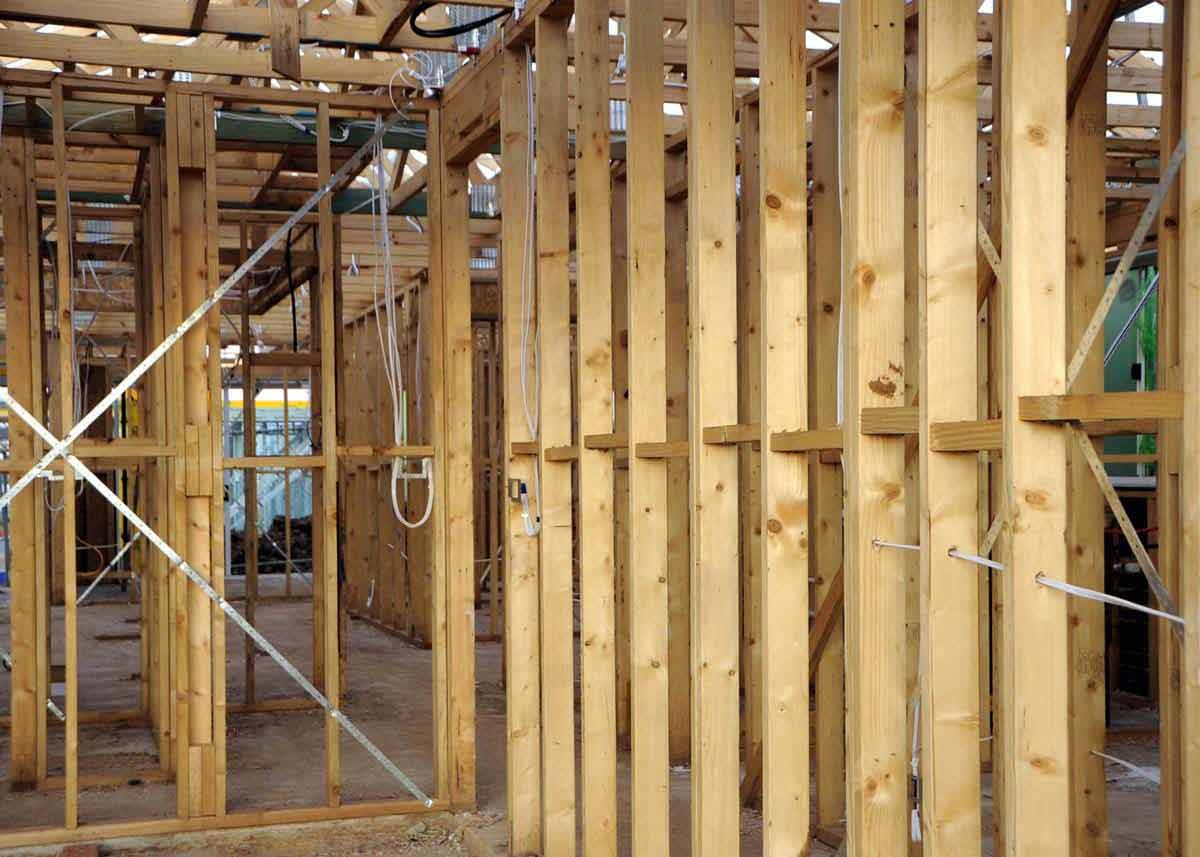
Behind your plaster wall is a frame that looks like the picture below. Your studs (upright pieces) will typically run the full height of your wall. They will be spaced about 450mm and 600mm (maximum) apart. Between the studs, you have horizontal pieces called Noggins. You will have 1 or two between each stud (depending on the height of your wall).

Find Metal and Wooden Stud

Tools You’ll Need – Find Metal and Wooden Stud

  • Stud Finder: Make sure it’s capable of detecting both metal and wooden studs.
  • Tape Measure: Useful for verifying standard stud spacing.
  • Impact Driver: For marking holes in plaster once studs are located.
  • Magnet: Used for locating metal studs if your Stud Finder can’t.

I have both a Stanley and an Ozito stud finder. Unfortunately, they aren’t always consistent with what they locate. A few drill holes usually solves the arguement.

Using a Stud Finder

  • Calibrate the Stud Finder: Place it flat against the wall and turn it on, following the manufacturer’s instructions.
  • Scan the Wall: Move the stud finder horizontally across the wall. Most stud finders will beep or light up when they detect a stud. You will need to repeat this several times to confirm that you have located the stud.
  • Mark the Stud Location: Use a pencil to mark the edges of the stud as detected by the stud finder.
  • Confirm stud location: You should be able to measure the distance between the studs you have located. You should find that the distance should be consistent ie intervals of 450mm.

Visual and Tactile Clues

  • Look for Outlets and Switches: Electrical outlets and light switches are usually attached to studs. Measure 15-20cm from these points to find adjacent studs.
  • Tap the Wall: Lightly tap the wall with your knuckles. A solid sound indicates a stud, while a hollow sound indicates the space between studs. This can be very hit-and-miss approach.
StoreWALL Brite White Garage Wall Panel Installation

Verifying Stud Locations

  • Drill a Small Hole: Use your impact driver to drill a pilot hole at the marked location. If you hit solid wood or metal, you’ve found a stud. Note that sometimes you might just hit the edge of a stud. Therefore a few holes might be needed to find centre.

Finding Metal Studs

  • Stud Finder with Metal Scan Mode: Many stud finders have a metal scan mode specifically designed for detecting metal studs.
  • Magnet Method: A strong magnet can help detect metal studs more reliably than wooden ones.

Tips and Precautions

  • Multiple Checks: Always verify stud locations using multiple methods to ensure accuracy.
  • Be Patient: Finding studs behind plaster walls can be time-consuming. Take your time to avoid mistakes.
  • Avoid Pipes and Wires: Be cautious of plumbing and electrical wiring when drilling into walls. Use a wire detector to check for electrical wires.

ConclusionFind Metal and Wooden Stud

Locating studs in plaster walls requires a combination of tools and techniques. By using a stud finder, magnet, and visual clues, you can accurately find both metal and wooden studs. Always verify your findings and proceed with caution to avoid damaging your walls or hitting utilities.

Categories
Bike Storage Garage Hooks Garage Ideas garage makeover Garage Walls Slatwall StoreWALL

Wall Mounted Storage for your Garage

Maximizing Your Space Efficiently

Are you constantly battling with clutter in your garage? Do you find yourself struggling to locate tools, sports equipment, or holiday decorations when you need them? If so, wall mounted garage storage could be the game-changer you’re looking for. By leveraging the vertical space in your garage, you can significantly increase your storage capacity, organize your belongings efficiently, and create a more functional and accessible workspace. Let’s delve into the benefits of wall mounted storage solutions and how you can implement them in your garage.

The Advantages of Wall Mounted Storage

  • Maximized Space Utilization: One of the most compelling reasons to opt for wall-mounted systems is the ability to free up floor space. This approach allows you to store items off the ground, making it easier to clean the floor and move around.
  • Enhanced Organization: Wall-mounted systems often come with a variety of shelving, hooks, and bins that can be customized to suit your storage needs. This means you can have a dedicated spot for every item, from garden tools and sports gear to automotive supplies and woodworking equipment.
  • Improved Accessibility: By keeping items off the floor and at eye level, garage wall systems make it easier to find and retrieve what you need without digging through piles or boxes.
  • Visual Appeal: A well-organized garage wall storage system can significantly improve the look of your garage, transforming it from a cluttered catchall to a tidy and efficient space.
wall mounted storage

Implementing Wall Mounted System in Your Garage

1. Assess Your Needs: Start by taking inventory of what you currently store in your garage. Group items by category and consider how often you use them. This will help you determine the type of storage solutions that will work best for your space.

2. Choose the Right System: There are several types of garage wall storage systems to choose from, including:

  • Slatwall Panels: These are great for versatile storage needs, allowing you to attach hooks, shelves, and bins that can be easily repositioned.
  • Track Systems: Ideal for hanging larger tools and equipment, track systems offer sturdy support and can be customized with various hooks and accessories.
  • Shelving Units: Fixed or adjustable shelving units are perfect for storing boxes, bins, and larger items that don’t hang well.

3. Plan Your Layout: Before installing any system, plan your layout carefully. Consider placing frequently used items at arm’s reach and seasonal or rarely used items higher up or in less accessible spots.

4. Installation: While many wall-mounted systems are designed for DIY installation, ensure you have the right tools and follow the manufacturer’s instructions carefully. It’s crucial to secure storage systems to studs in the wall to provide adequate support for your items.

5. Organize and Label: Once your storage system is in place, organize your items logically and consider labeling shelves, bins, and hooks to make it easy to find and return items to their rightful spot.

wall mounted storage system

Garage Wall System – Conclusion

Wall-mounted garage storage offers a smart and effective way to tackle the clutter in your garage. By taking advantage of vertical space, you can create a more organized, accessible, and visually appealing space. Whether you’re a DIY enthusiast, a sports fanatic, or just looking to declutter, there’s a wall-mounted garage storage solution that can meet your needs. Start planning your garage transformation today and enjoy the benefits of a well-organized space.

Categories
Garage Ideas garage makeover Garage Walls Home Office StoreWALL

Transforming Your Garage into a Home Office

In the modern quest for maximizing living spaces, transforming your garage into a home office stands out as a brilliant and practical solution. As more people embrace remote work, the need for a dedicated workspace has become paramount. This guide offers insightful advice on converting your garage into an efficient, comfortable, and stylish home office.

Assessing Your Space

Start With a Plan: Before diving into the transformation, assess the size and layout of your garage. Consider the amount of natural light, the garage door’s location, and the availability of electrical outlets. A detailed plan will help you visualise the office space and identify potential challenges.

Permits and Regulations: Check with local authorities for any permits required to convert your garage into a living space. Compliance with building codes and regulations ensures safety and avoids legal complications.

Home office

Designing Your Home Office

Insulation and Climate Control: Garages are not typically designed for comfort, so adding insulation is crucial. Insulate walls, ceilings, and the garage door to maintain a comfortable temperature year-round. Consider installing a heating and cooling system to ensure your office is conducive to productivity.

Lighting: Optimize natural light by installing windows or skylights. Supplement with artificial lighting solutions like LED desk lamps and overhead lights to create a bright and inviting workspace.

Flooring: Upgrade the garage floor for warmth and comfort. Epoxy coatings, interlocking tiles, or laminate flooring can transform the space and add a professional touch to your home office.

Furniture and Storage: Select ergonomic furniture to enhance productivity and comfort. Incorporate storage solutions such as shelving units and cabinets to organize office supplies, documents, and equipment, keeping the space clutter-free.

Technology and Connectivity

Electrical Upgrades: Ensure your garage has adequate electrical outlets to support computers, printers, and other office equipment. Hiring a professional electrician to upgrade your electrical system is advisable for safety and efficiency.

Internet Connectivity: Strong Wi-Fi is essential for a home office. If your garage has weak signal strength, consider using Wi-Fi extenders or a dedicated internet line for reliable connectivity.

Personalizing Your Space

Decor: Personalize your home office with decor that inspires creativity and productivity. Add plants, artwork, and personal items to make the space welcoming and uniquely yours.

Noise Reduction: Soundproofing your garage can help minimize distractions from outside noise. Use acoustic panels, weather stripping, and door seals to create a quiet work environment.

Final Thoughts

Converting your garage into a home office is a smart way to utilize unused space and enhance your work-from-home experience. By carefully planning and designing your office, you can create a functional and comfortable workspace that boosts productivity and creativity. Remember, a well-thought-out home office not only benefits your work life but also adds value to your home.

Categories
Garage Hooks Garage Ideas garage makeover Garage Walls Slatwall StoreWALL

Reclaim Your Garage

In Australia, the garage has traditionally been a multifunctional space, serving not just as a shelter for cars but also as a storage area for a myriad of household items, tools, and occasionally, even as a workspace or recreational area. However, a common observation across many Australian homes is that garages tend to be particularly cluttered and messy. This phenomenon can be attributed to several factors, ranging from changing lifestyle patterns to architectural design and consumer behavior. This article delves into the reasons behind the messiness of Australian garages, shedding light on the underlying causes and potential solutions. It also introduces a range of solutions that can assist you to reclaim your garage.

reclaim your garage

Shifting Lifestyle Patterns

One of the primary reasons for cluttered garages is the evolving lifestyle of Australians. As people acquire more possessions, from sports equipment to seasonal decorations, the garage often becomes the go-to storage space. The rise of hobbies and home improvement projects has also contributed to the accumulation of tools and materials, often stored in the garage for convenience.

Lack of Adequate Storage Solutions

Many Australian homes, especially older ones, were not designed with sufficient built-in storage. As a result, garages become the overflow space for items that do not fit inside the house. Without proper organization systems such as shelving, cabinets, or racks, these items can quickly accumulate, creating clutter and disorganization.

The Consumer Culture

The surge in consumerism, driven by the ease of online shopping and the allure of sales, has led to an increase in household belongings. Many Australians find themselves purchasing items on impulse or in bulk, which, due to lack of immediate use or space inside the home, end up in the garage. This consumer habit exacerbates the issue of clutter, making garages appear messier than ever.

Multipurpose Use of Garage Space

Garages in Australia are increasingly being used for purposes other than parking cars. They serve as workshops, home gyms, and even entertainment areas. This multipurpose use, while beneficial, contributes to the clutter, as it introduces a variety of items into the space that are not always neatly organized or stored.

Procrastination and Lack of Time

The task of cleaning and organizing a garage can be daunting, especially when the clutter has been accumulating over time. Many individuals postpone this task due to its overwhelming nature or due to a busy lifestyle. This procrastination, combined with a lack of dedicated time to tackle the mess, results in garages remaining cluttered for extended periods.

reclaim your garage

Architectural Design and Planning

The design of some Australian homes does not prioritize garage storage efficiency. Garages are often designed to meet minimum size requirements for vehicles, with little consideration for storage or organization. This lack of foresight in design contributes to the challenge of keeping garages tidy and well-organized.

Seasonal and Infrequently Used Items

Garages often house seasonal items such as holiday decorations, winter clothing, and sports equipment, which are not used year-round. These items take up valuable space and contribute to the clutter, especially when not stored properly.

Reclaim Your Garage – Solutions and Strategies

Addressing the messiness of garages requires a multifaceted approach. You can adopt various strategies to mitigate this issue so you can reclaim your garage:

  • Implementing Efficient Storage Solutions: Installing shelving, cabinets, and overhead storage can maximize space and reduce clutter.
  • Utilise your walls: Wall storage solutions allow you to maximise the height and width of your walls as storage areas. Garage wall storage solutions enable the use of hooks, baskets, and shelves to safely store everything from sporting goods to power tools and even work boots.
  • Regular Decluttering: Setting aside time to sort through items and dispose of or donate those that are no longer needed can significantly reduce clutter.
  • Designating Spaces: Assigning specific areas within the garage for different types of items can help maintain organization.
  • Investing in Multipurpose Furniture: For garages used as multipurpose spaces, furniture that offers storage can be particularly useful.
  • Embracing Minimalism: Adopting a more minimalist approach to possessions can prevent the garage from becoming a catch-all storage space.

In conclusion, the cluttered state of Australian garages is a multifaceted issue influenced by lifestyle changes, architectural design, and consumer habits, among other factors. By acknowledging these causes and implementing practical solutions, you can reclaim your garage, transforming it into an organised, and functional space.