Access an Additional $20 Off All 2438mm Wall Panels!
CALL US

0411 280 646

Categories
garage design Garage Ideas garage makeover Garage Walls PVC vs MDF Slatwall Shelving Slatwall

Understanding Slatwall Weight Capacity

When selecting a wall storage system, understanding slatwall weight capacity is crucial to ensuring your setup is both functional and safe. StoreWALL panels are designed for strength and durability, but the weight they can hold depends on several factors, including panel type, installation method, and load distribution. In this guide, we’ll break down the weight capacities of StoreWALL’s Standard Duty and Heavy Duty panels to help you make an informed choice.

Why Weight Capacity Matters

Every storage solution must be designed to handle the weight of the items it holds. Whether you’re storing tools, sports equipment, or heavy-duty garage items, knowing how much weight your wall panels can support will help you avoid overloading and potential damage.

StoreWALL panels are tested to ensure they provide reliable, long-term support, and their capacity varies based on the panel type and installation method used.

Standard Duty vs. Heavy Duty Panels

StoreWALL offers two main types of wall panels: Standard Duty and Heavy Duty. Each has different weight capacities depending on its size and installation method.

Standard Duty Wall Panel weight capacityStandard Duty Wall Panels

These are the most popular choice for general storage needs, offering a balance of strength and versatility.

1219mm panel

  • 56kg at Panel Surface
  • 26kg at 10cm from Panel Surface
  • 22kg at 15cm from Panel Surface

Capacity assumes installation with InstallStrips.

2438mm panel

  • 113kg at Panel Surface
  • 52kg at 10cm from Panel Surface
  • 45kg at 15cm from Panel Surface

Capacity assumes installation with InstallStrips.

The 2438mm panel can handle double the 1219mm panel because it is twice the length. In both cases, total weight capacity assumes weight is distributed evenly across the panel. It also assumes the accessory you are using can support the weight of the item it is holding. All StoreWALL accessories are also rated for weight capacity.

Heavy Duty Wall Panels

Designed for more demanding storage applications, Heavy Duty panels provide greater weight capacity. These panels are thicker (about 1mm) and the installstrips used to install them are wider.
Heavy Duty Wall Panel Weight Capacity

1219mm panel

  • 68kg at Panel Surface
  • 37kg at 10cm from Panel Surface
  • 31kg at 15cm from Panel Surface

Capacity assumes installation with InstallStrips.

How Installation Method Affects Weight Capacity

InstallStrips vs. Screw Installation

StoreWALL panels can be installed using either InstallStrips or direct screw installation. While both methods provide a strong hold, InstallStrips significantly increase weight capacity by evenly distributing weight across the panel.

For example:

  • Screw installation at 10cm from the panel surface supports only 17kg per panel, compared to 26kg or more when using InstallStrips.
  • InstallStrips allow for higher load-bearing capacity and greater long-term durability. They are made from galvanised steel and provide greater support for the weight being stored than just a screw does. The support is spread along the length of the installstrip, rather than being concentrating directly on the screw.
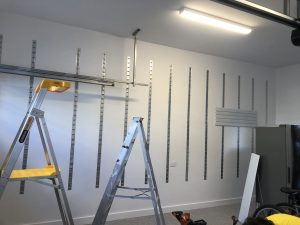
garage wall panel weight capacity

Distributing Weight for Optimal Performance

Regardless of which panel type or installation method you choose, it’s essential to distribute weight evenly across the wall storage system. Concentrating too much weight on a single hook or accessory can reduce stability and affect performance.

Key Recommendations:

  • Use multiple accessories to spread the weight evenly.
  • Place heavier items closer to the panel surface for maximum support. Some (ie heavy ladders) might also be better to also be touching the ground for best support.
  • Secure installation is key – always follow the recommended installation guidelines for optimal load-bearing performance.

Making the Right Choice for Your Storage Needs

When choosing your StoreWALL panel, consider:

  • What you’re storing – Heavy tools? Sports gear? General household items?
  • Installation method – Using InstallStrips will maximize strength and durability.
  • Weight distribution – Plan your storage layout to evenly distribute loads.

By selecting the right panel and installation method, you’ll ensure a long-lasting, secure, and efficient storage system that meets your needs while maintaining safety and durability.

Final Thoughts

StoreWALL panels are engineered for strength, reliability, and versatility, making them an excellent investment for any storage space. By understanding slatwall weight capacity and proper installation techniques, you can maximize their performance and longevity.

Ready to upgrade your storage? Explore StoreWALL’s Standard Duty and Heavy Duty panels today and find the perfect solution for your space!
Categories
Garage Ideas garage makeover Garage Walls Slatwall StoreWALL

If You See a Reddit Review Saying “Think Twice About StoreWALL” — Here’s What You Should Really Know

There’s a Reddit post (about 2 years old) in the garage organisation threads titled “If you’re looking at StoreWALL, think twice.” (Reddit) It’s important to read every review — but also to understand context, common industry engineering realities, and the broader range of customer experiences.

Let’s break it down and clarify what’s real, what’s misunderstood, and what every homeowner should consider before dismissing a premium garage storage system.

1. One User’s Experience ≠ Entire System Failure

In the Reddit post, the customer described a panel failure after six months under load — implying that the system is inherently unsafe.

Here’s what’s crucial to understand:

  • Weight ratings are not guesses — they are based on tested load capacities at specific points measured in controlled conditions.
  • Every modular wall storage system (including gladiator and proslat brands) can fail if installation standards aren’t fully met or loads are applied in ways the system wasn’t designed for (e.g., far from studs without adequate backing).
  • StoreWALL, like other premium systems, has published load ratings and installation recommendations to help you mount it safely — and these matter more than anecdote.
  • We publish load ratings at the wall surface and 10cm from the wall.
  • We also publish ratings for each accessory, ie how much it can hold in weight.

A single panel incident doesn’t prove systemic failure — it suggests either a specific installation or loading issue that likely could have been prevented with correct mounting or load distribution.

2. Installation Matters — A Lot

Wall storage systems rely on strong anchoring to your structural studs or masonry. What’s rarely discussed in one-off reviews:

  • In this particular case, the customer secured the panels directly to the wall using screws. They did not use installstrips.
  • Whilst this installation method works, the load capacity of the panel and therefore the hooks is much less than specified.
  • The customer mentioned using installstrips in some places and not in other due to bulging and loose panels. This bulging is most likely due to an uneven wall and poor leveling at installation. The installstrips themselves are only a few mm in thickness so they themselves can cause bulging.
  • A direct installation through the panel may seem like a tighter more secure fixing of the panel to the wall.  However, the load is only supported by the fasteners/screws and the panel. Whereas when Installstrips are used, these metal brackets sit between the panel and the wall. Having all three support your weight it better than just the two.

3. “Crash” Incidents Don’t Automatically Mean Product Fault

When someone says a panel failed and materials fell off the wall — several possibilities exist beyond a product defect:

  • Improper stud engagement or fastener choice
  • Loads applied in ways exceeding recommended ratings

If a panel is properly mounted into studs and loads are distributed correctly, the likelihood of failure is near zero. Our experience selling StoreWALL for the past 10 years has proven this.

4. Weight Ratings Are Technical — Not Arbitrary

Weight capacities are usually rated for loads applied directly at the panel surface, not at extended distances (like heavy tools hung far out from the wall surface). This is common with all slatwall systems:

  • StoreWALL’s capacity ratings include at surface and at 10cm from surface.
  • A hook’s rating is one thing
  • A lever force (weight held far from the wall with leverage) is another
  • Over leveraging is easy to do. If the ladder sits at the end of the hook, and the hook has a depth of 30cm, then the weight in this case is extended to 30cm from the wall. Heavy items should shit as close to the wall as possible.
  • If you consider the type of ladder in this case and its depth, the 40lbs was sitting on the Utility Hook, with the weight spread across the depth of the Hook. I believe that this ladder was too heavy for the hook and its depth pushed the weight to the end of the hook. It was over leveraging.
  • I think the ladder could probably have rested on the ground, supported by hook. It would have been a safer option.

Both need proper engineering consideration — and advanced systems like StoreWALL offer accessories designed to handle these scenarios, as well as guidance on how to mount and distribute loads.

Crucially, StoreWALL’s CamLok locking mechanism secures the accessory to the wall, allowing for easy on/off without worrying that the hook itself will give way and come off the wall.

5. Load Capacity varies by manufacturer.

You can purchase storage systems at Bunnings that state their wall rail can support 100KG when installed with 6 just screws. See our notes comparing the Storease and the Gladiator system.

At StoreWALL, we have always recommend installing with Installstrips to give you the best experience you can have with our systems.

Choosing the right system means understanding your storage loads, installation surface, and accessory needs — not just the brand name.

6. Reviews Should Be Balanced — Look at Both Sides

While negative feedback can be useful, it’s important to weigh it against the broader consensus from:

These frequently highlight:

  • Ease of installation
  • Robust accessory options
  • Long-term performance in real garages which contrasts with isolated negative anecdotes.

7. What You Should Do as a Potential Buyer

If a Reddit post concerns you:

  1. Evaluate load requirements — what will you hang?
  2. Choose proper fixings into structural studs
  3. Use accessory ratings appropriately
  4. Ask for professional installation if unsure
  5. Compare broad user feedback
  6. Watch the various installation videos to understand the installation process.
Categories
Brick Walls garage design Garage Ideas garage makeover Garage Storage On TV Garage Walls Slatwall StoreWALL

Battening out a brick wall

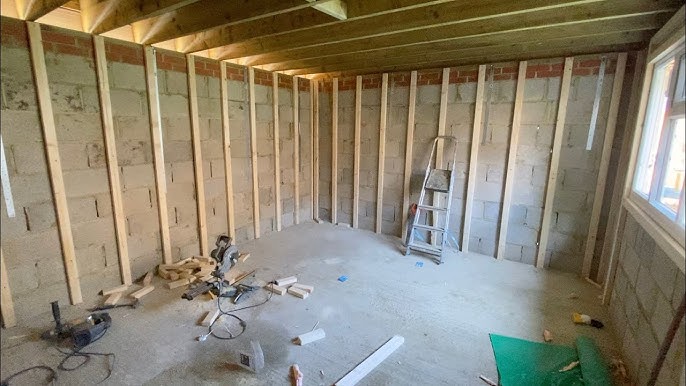
Battening out a brick wall is a common practice in construction and renovation, but it’s not always necessary for every project. Understanding when and why you should batten out a brick wall can help ensure the longevity and stability of your installations, whether you’re adding insulation, installing garage wall panels, or creating a smooth surface for new finishes. In this article, we’ll explore the situations that require battening, the benefits of the process, and a step-by-step guide on how to do it.

What Does Battening Out Mean?

Battening out a brick wall refers to the process of attaching vertical wooden battens (strips of timber) or metal furring strips to a brick or masonry wall. These battens create a framework that allows you to attach various materials, such as plasterboard, insulation, or garage panels, while maintaining an air gap between the wall and the new surface. This method is commonly used when the surface of the wall is uneven, damaged, or needs extra support for the materials being attached.

When is it Necessary to Batten Out a Brick Wall?

Not every brick wall will need battening out, but there are several situations where it becomes essential:

Uneven or Damaged Brickwork

  • If the brick wall is uneven or damaged, it’s challenging to achieve a smooth, level surface using plasterboard or panels alone. Battening out the wall creates a uniform, level framework for attaching these materials, ensuring a better finish and stronger support.
Adding Insulation
  • If you’re renovating an old building or a garage and need to add insulation, battening out the wall is often necessary. Battens create the space needed for insulation boards or rolls to fit securely between the wall and the interior cladding. This not only improves energy efficiency but also helps prevent moisture buildup.

Installing StoreWALL or Similar Garage Wall Panel Systems

  • Heavy-duty slatwall systems like StoreWALL require a stable and even surface to support their weight and functionality. If the brick wall is very uneven, damaged, or if you need to create a gap for wiring and other installations, battening out the wall provides the necessary support and structure for secure installation.

Moisture and Damp Issues

  • If the brick wall is prone to moisture or dampness, battening out the wall can help create an air gap that improves ventilation and reduces the risk of moisture-related damage. This is particularly important in basements, garages, or older buildings where damp issues are common.

Accommodating Electrical and Plumbing Systems

  • When installing electrical wiring, pipes, or other systems that need to run behind the interior surface, battening out the wall creates the space needed to conceal these elements safely and effectively.

Benefits of Battening Out a Brick Wall

  • Creates a Level Surface: Ensures that the final surface, whether it’s plasterboard, panels, or tiles, is level and professional-looking.
  • Improves Insulation: Allows for the addition of thermal or acoustic insulation, enhancing energy efficiency and soundproofing.
  • Provides Support: Offers a stable structure for mounting heavy items like shelving, wall panels, or large installations.
  • Moisture Control: Helps manage moisture by creating an air gap that improves ventilation and reduces the risk of damp issues.
  • Flexibility for Services: Allows for the easy routing of cables, pipes, and other utilities behind the wall surface.

Step-by-Step Guide to Batoning Out a Brick Wall

If you determine that battening out your brick wall is necessary, follow these steps for a successful installation:

Tools and Materials Needed:

  • Wooden battens or metal furring strips
  • Electric drill with masonry bit
  • Wall plugs and screws
  • Tape measure
  • Spirit level
  • Pencil or marker
  • Saw (if cutting battens)
  • Insulation boards or rolls (if insulating)

Steps:

  1. Measure and Mark the Wall
    Begin by measuring the height and width of the wall where you’ll be installing the battens. Mark the positions where each batten will be placed, typically spacing them 400–600 mm (16–24 inches) apart. Ensure that the markings are level using a spirit level. A typical interior wall has studs at 450mm intervals. You can use this as your guide for spacing out your battens.
  2. Cut the Battens to Size
    If using wooden battens, ensure you select wood that is as straight as possible. Cheap bent wooden battens will not fix an uneven brick wall. Cut the battens or furring strips to the required length using a saw. Ensure they are cut precisely so they fit snugly from floor to ceiling.
  3. Drill Holes in the Wall
    Using an electric drill with a masonry bit, drill holes at the marked positions where you’ll attach the battens. These holes should be deep enough to accommodate wall plugs and screws.
  4. Attach the Battens to the Wall
    Insert wall plugs into the drilled holes. Place the batten against the wall and drive screws through the batten into the wall plugs. Check each batten with a spirit level to ensure it is vertical and aligned properly. Tighten the screws securely to hold the battens in place.
  5. Install Insulation (Optional)
    If you’re adding insulation, cut the insulation boards or rolls to fit between the battens. Fit them snugly into place, ensuring there are no gaps that could reduce the effectiveness of the insulation.
  6. Attach the Cladding or Panels
    Once the battens and insulation (if applicable) are securely in place, you can proceed with attaching the cladding, plasterboard, or garage wall panel system. Use the battens as the framework for securing these materials, ensuring they are level and securely fastened.
  7. Final Checks
    Once everything is installed, check that the new surface is level and free of gaps or movement. Make any necessary adjustments before finishing with paint, wallpaper, or other finishing touches.

Conclusion

Battening out a brick wall is a practical solution in many renovation and construction scenarios. Whether you’re dealing with uneven brickwork, adding insulation, or installing a heavy-duty system like StoreWALL, battoning ensures a secure and professional finish. By following the steps outlined in this guide, you can achieve a stable and effective installation, improving both the aesthetics and functionality of your space.

If you’re planning a project that involves battening out a wall, ensure you have the right tools and materials on hand, and always consult a professional if you’re unsure about the wall’s condition or structure.

Categories
garage design Garage Hooks Garage Ideas Shoe Rack Slatwall StoreWALL

Transform Your Retail Space with Slatwall Panels

A Must-Have for Merchandising Success

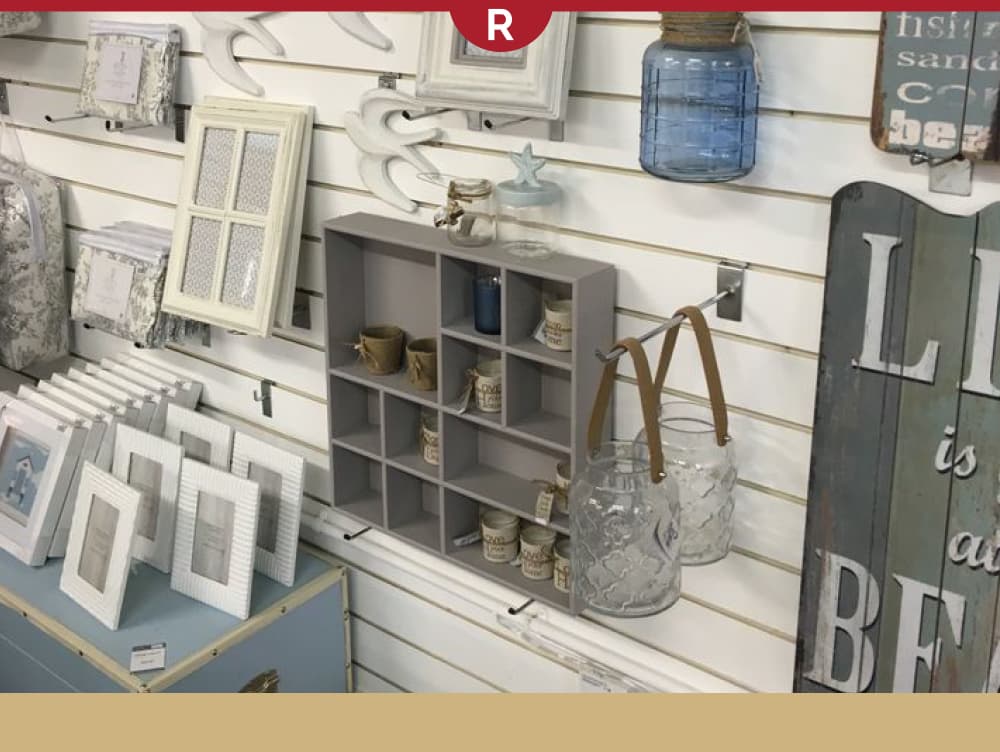
When it comes to designing a retail store, creating a visually appealing and functional display system is key to attracting customers and boosting sales. Enter Slatwall, a versatile and durable display solution that has become a staple in retail environments across industries. Here’s why Slatwall panels are an essential addition to your store and how to use it effectively.

Why Choose Slatwall Panels for Retail?

  1. Versatility for Every Product
    Slatwall panels can accommodate various accessories, such as hooks, brackets, bins, and shelves. This adaptability allows you to display anything from clothing and accessories to electronics, tools, and groceries.
  2. Maximized Space Efficiency
    With vertical panels, Slatwall optimizes wall space, keeping your floor uncluttered and your store organized.
  3. Customizable and Reusable
    You can rearrange displays with ease to match seasonal trends, new inventory, or promotional campaigns without needing new fixtures.
  4. Aesthetic Appeal
    Available in a range of finishes, Slatwall can complement your brand’s style and elevate the overall look of your store.
  5. Durability
    Designed to handle heavy-duty use, Slatwall panels can support both light and heavier merchandise with the right installation and accessories.
How to Use Slatwall in Retail
  1. Clothing and Apparel Stores
    Use hooks to hang garments or shelves to display folded clothing. Add bins for accessories like hats or scarves to create a visually dynamic layout.
  2. Electronics and Tech Shops
    Showcase items like headphones, phone cases, or gadgets using custom brackets and holders.
  3. Home Improvement and Hardware Stores
    Display tools, power equipment, or paint supplies securely with heavy-duty hooks and sturdy brackets.
  4. Grocery and Convenience Stores
    Organize snacks, supplements, and small packaged goods on Slatwall shelves or in bins for easy accessibility.
  5. Point-of-Sale Displays
    Install Slatwall panels near checkout areas to highlight impulse-buy items, boosting sales of smaller, high-margin products.
Retail Space with Slatwall Panels

Tips for Using Slatwall Panels Effectively

  • Create Zones: Divide your panels into sections to group related items, making it easier for customers to browse.
  • Change Displays Regularly: Rotate products and layouts to keep your store looking fresh and engaging.
  • Incorporate Branding: Use custom finishes or branded signage to integrate Slatwall with your store’s design.
  • Invest in Quality Accessories: Use durable hooks and brackets that align with your product’s weight and dimensions.

Slatwall: A Long-Term Investment

Whether you’re opening a new store or revamping your layout, Slatwall offers the flexibility, durability, and aesthetic appeal that retail environments demand. By leveraging its features, you can create a dynamic and customer-friendly shopping experience that drives sales and enhances your store’s efficiency.

Categories
Brick Walls garage design garage makeover Garage Wall Accessories Garage Walls GarageSmart Home Gym Installation Slatwall

Installstrips

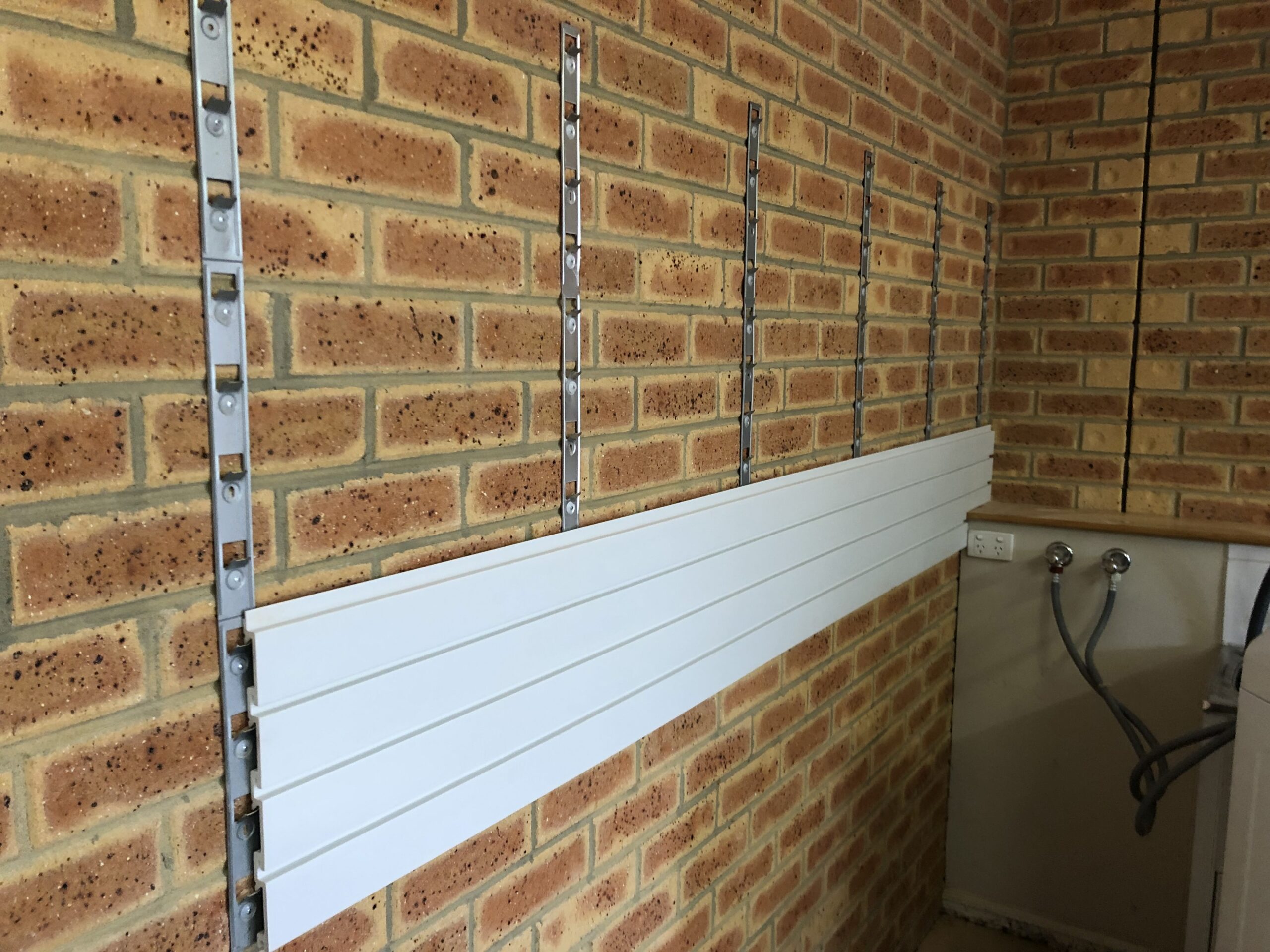
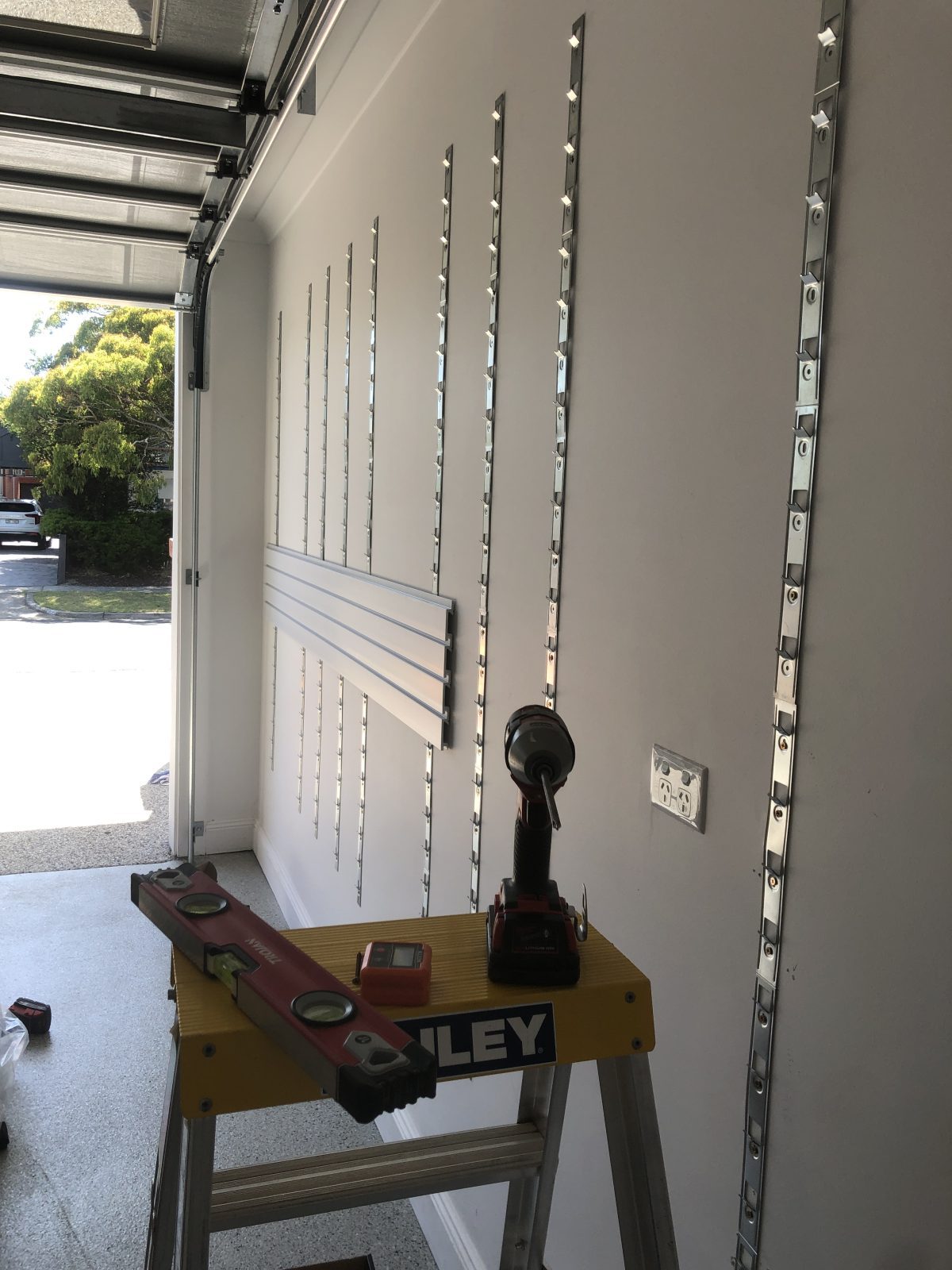
We often get asked how StoreWALL wall panels differ from many others available in Australia. A key difference is our use of InstallStrips, which are metal brackets designed to securely mount the panels to wall studs. Hanging wall panels on InstallStrips screwed into studs is significantly stronger than directly screwing the panels into the studs because of the following reasons:

Load Distribution & Weight Support

  • Installstrips which are metal brackets, act as a structural support system, evenly distributing the weight of the wall panels and anything mounted on them.
  • When panels are directly screwed into studs, the weight is concentrated at each screw point, increasing the risk of failure over time, especially with heavy loads.

Increased Shear & Pull-Out Strength

  • Screws alone can shear under load or pull out if too much force is applied, especially if the panels are loaded with heavy items.
  • Metal brackets provide additional resistance to pulling forces by creating a rigid structure that holds the panels securely.

Enhanced Stability & Reduced Panel Flexing

  • Metal brackets create a firm mounting base across multiple studs, reducing panel movement and flexing.
  • Directly screwing panels to studs means each panel section is only as strong as its attachment points, which may cause bowing or movement under weight.

Easier Installation & Adjustability

    • Brackets allow for more precise alignment and level installation of panels.
    • If adjustments are needed, panels can be repositioned more easily compared to unscrewing and reattaching directly to studs.

Installstrips – Long-Term Durability

  • Over time, screws directly in the panel can loosen or strip out from repeated loading and unloading.
  • Brackets provide a reinforced anchor point that remains strong over years of use.

Wall Protection

  • Brackets create a small gap between the wall and panels, allowing air circulation, reducing moisture buildup, and protecting both the panels and the wall from damage.

Conclusion

Using Installstrips to mount wall panels ensures stronger, more stable, and longer-lasting installation compared to directly screwing panels into studs. The brackets distribute weight, enhance durability, and provide a more secure mounting system—especially for garages, workshops, and commercial applications where heavy-duty storage is needed.

Categories
Laundry storage Shelving Shoe Rack Slatwall Totes

Transform Your Laundry Room with Slatwall

A well-organized laundry room can make a world of difference in your home’s efficiency. Slatwall, a versatile and customizable wall storage system, has become an increasingly popular choice for maximizing space in laundry rooms. Here’s how you can transform your laundry room with slatwall.

What Is Slatwall?

Slatwall is a wall-mounted panel system featuring horizontal grooves where hooks, shelves, and other accessories can be attached. Traditionally used in retail spaces, more and more Australian homes are now using it in their garages, workshops and even laundry.

Transform your laundry room with slatwall

  1. Maximizes Vertical Space:
    Laundry rooms are often small and cramped. Slatwall allows you to take full advantage of vertical space, keeping your floors clear and reducing clutter.
  2. Customizable Storage:
    With a variety of hooks, baskets, and shelves, you can customize your slatwall to hold cleaning supplies, detergents, ironing boards, and even hampers.
  3. Durability:
    StoreWALL’s slatwall panels are made from strong materials like PVC, capable of holding heavy items securely.
  4. Aesthetic Appeal:
    Available in various colours and finishes, slatwall blends seamlessly with your laundry room’s décor.

Transform Your Laundry Room with SlatwallHow to Use Slatwall in Your Laundry Room
  1. Organize Cleaning Supplies:
    Use hooks and small baskets to keep detergents, stain removers, and fabric softeners within easy reach.
  2. Hang Ironing Boards and Tools:
    Free up floor space by hanging your ironing board, lint rollers, and handheld steamers directly onto the slatwall.
  3. Store Laundry Baskets:
    Mount larger baskets or hampers to collect dirty laundry or hold freshly folded clothes.
  4. Designate a Drying Area:
    Add rods or hooks to hang delicates and drip-dry items, ensuring proper air circulation.
  5. Hide vacuum cleaners and extension hoses
    Use StoreWALL hooks and baskets to hang your Dyson vacuum cleaner and deep baskets to store large extension hoses for in-built vacuum system.
  6. Child-Proof Your Space:
    Keep hazardous cleaning chemicals out of reach by placing them high up on the slatwall.
  7. Fitout Laundry cupboards for extra storage space
    What’s better than more cupboard space? Slatwall in your cupboard so that you can hang and store more in the confined storage space. Utilise the full height of your cupboard.

Installation Tips

  • Choose the Right Panels: For humid areas like laundry rooms, opt for moisture-resistant slatwall panels.
  • Secure Properly: Ensure the slatwall is installed on sturdy wall studs to handle heavy loads.
  • Accessorize Smartly: Use compatible accessories designed for your specific slatwall system.

Why Slatwall Is a Game-Changer

By integrating slatwall into your laundry room, you’ll create a cleaner, more functional space. It’s a small investment that yields significant benefits in terms of organization and convenience.

Get Started Today

Whether you have a small nook or a spacious laundry area, slatwall can help you make the most of your space. For premium slatwall solutions, check out StoreWALL and discover a range of high-quality panels and accessories designed to simplify your laundry experience.

Categories
Essential Skills garage design garage makeover Installation Slatwall

Essential Skills for Installing Slatwall

Installing StoreWALL panels is a straightforward process, but having the right skills will make the job much easier and ensure a professional finish. Whether you’re a DIY enthusiast or a tradesperson, understanding the necessary skills will help you achieve a secure and seamless installation. Below, we outline the essential skills for installing slatwall in your home garage or workplace.

Basic Measuring and Marking

Accurate measurements are crucial for a precise installation. You’ll need to:

  • Measure wall dimensions to determine the number of panels required. This is something we can assist you with, you can also utilise our StoreWALL Estimator.
  • Mark stud locations, or if a brick wall, where the wall anchors will be placed to ensure proper support.
  • Use a level to align panels correctly and avoid misalignment.

    Stud Finding and Wall Preparation

    Understanding your wall type is essential for proper anchoring. Skills include:

    • Using a stud finder to locate wall studs (for drywall installations).
    • Identifying wall materials such as concrete, brick, or plasterboard.
    • Cleaning and prepping the wall surface for installation.

Drilling and Fastening – Essential skills for installing slatwall

Proper attachment of panels requires knowledge of drilling and fastening:

  • Drilling pilot holes into studs or using wall anchors when necessary.
  • Selecting the right screws and fasteners for different wall materials. We can assist you with this and sell all the right fasteners.
  • Using a power drill, impact driver, or hammer drill efficiently.

Cutting Panels to Size

In some cases, you may need to cut StoreWALL panels to fit specific areas:

  • Using a circular saw, drop saw, jigsaw, or multi-tool for clean cuts.
  • Measuring and marking cut lines before cutting.
  • Panels can be sent to you pre-cut to assist you. Please advise what you require.

Aligning and Securing Panels – Essential skills for installing slatwall

Proper alignment ensures a seamless look and solid attachment:

  • Positioning panels correctly before fastening.
  • Ensuring the panels interlock securely. StoreWALL panels are hung into the installstrips. Panels are stacked one on to of the other using the installstrips and connect using a tongue and groove system.
  • Checking for level and adjusting as needed.

Essential Skills for Installing SlatwallHandling Electrical Outlets and Obstacles

If your wall has electrical outlets, switches, or other obstacles, you should:

  • Turn off power before making modifications.
  • Measure and cut around outlets carefully.
  • Use a hole saw, multi-tool or jigsaw to create precise openings.

Finishing Touches and Accessories Installation

Once panels are in place, you may need to:

  • Install trim or edging for a polished look.
  • Attach StoreWALL accessories like hooks, shelves, or baskets.
  • Inspect and adjust panels for any gaps or misalignment.

Recommended Tradespeople for Installation

If you prefer professional installation, the following tradespeople are well-suited for the job:

  • Carpenters – Skilled in wall paneling and fastening, ensuring a secure fit.
  • Handymen – Experienced with general wall installations and can handle most tasks.

Final Thoughts

Installing StoreWALL is a manageable project with the right skills and tools. Whether you’re installing in a garage, workshop, or retail space, having a good grasp of these essential skills will ensure a secure and professional-looking result. If you’re unsure about any steps, please give us a call and we can talk you through how the installation can be managed or who the right installer should be for your project.

Are you ready to install StoreWALL in your space? Explore our range of panels and accessories to get started today!

Categories
Carport Storage Solution Garage Hooks Garage Walls Slatwall StoreWALL

The Evolution of Slatwall

The Evolution of Slatwall: From Retail Staple to Home Organization Hero

Slatwall, a familiar sight in retail stores for decades, has evolved significantly since its inception. Originally designed to maximize display space and flexibility in commercial settings, slatwall has transcended its initial purpose, finding new applications in home organization, particularly in garages and workspaces. Let’s explore the journey of slatwall from its humble beginnings to its current status as a versatile and essential storage solution.

The Birth of Slatwall

Slatwall, also known as slotwall or slatboard, was first introduced in the 1960s. Its creation was driven by the need for a flexible, durable, and aesthetically pleasing display system for retail environments. The design featured horizontal grooves or slats that allowed for the easy insertion of various accessories such as hooks, shelves, and brackets. This modular system enabled retailers to customize their displays quickly and efficiently, adapting to changing inventory and promotional needs.

Slatwall in Retail: The Early Years

During the 1970s and 1980s, slatwall gained popularity across various retail sectors. Its ability to display a wide range of products in an organized and attractive manner made it a go-to solution for store owners. Whether showcasing clothing, electronics, or sporting goods, slatwall provided the versatility needed to create eye-catching displays that could be reconfigured without significant effort or expense.

Innovations and Improvements

As slatwall’s popularity grew, so did the innovations surrounding it. The materials used for slatwall panels evolved from basic wood composites to more durable and aesthetically pleasing options like medium-density fiberboard (MDF) with laminate finishes. This development not only enhanced the durability of slatwall but also expanded its aesthetic appeal, allowing it to blend seamlessly with various store decors.

Additionally, a wide array of slatwall accessories emerged, further enhancing its functionality. Specialized hooks, baskets, and shelving units were designed to accommodate specific product types, making slatwall even more adaptable to different retail environments.

Slatwall Enters the Home

While slatwall continued to dominate the retail display market, its potential for home organization began to be recognized. The late 1990s and early 2000s saw a shift as homeowners started to adopt slatwall systems for personal use, particularly in garages, workshops, and home offices. The same attributes that made slatwall a favorite in retail—versatility, durability, and ease of customization—proved invaluable for home storage solutions.

The Garage: A New Frontier

Garages, often the most cluttered and underutilized spaces in a home, became the perfect canvas for slatwall’s capabilities. Homeowners began using slatwall panels to organize tools, sports equipment, gardening supplies, and more. The ability to easily rearrange hooks and shelves meant that the storage system could adapt to changing needs, whether it was a growing collection of tools or seasonal sports gear.

Manufacturers responded to this growing demand by creating slatwall panels specifically designed for residential use. These panels often featured more robust materials to withstand the rigors of garage environments and came in a variety of finishes to suit different aesthetic preferences.

Beyond the Garage: Slatwall in Modern Homes

Today, slatwall has expanded beyond garages and workshops, finding its place in various areas of the home. In home offices, slatwall panels provide a customizable organization system for office supplies, files, and gadgets. In laundry rooms, they offer a practical solution for keeping cleaning supplies and laundry essentials neatly organized. Even in kitchens, slatwall can be used to create an adaptable storage system for pots, pans, and utensils.

The Future of Slatwall

The evolution of slatwall continues as new materials and designs emerge. Innovations such as metal and PVC slatwall panels offer enhanced durability and resistance to moisture, making them suitable for outdoor applications as well. As the trend towards home organization and optimization grows, slatwall is likely to remain a popular choice for both retail and residential environments.

Moreover, the rise of smart home technology presents new opportunities for integrating slatwall with digital storage solutions. Imagine slatwall panels equipped with sensors that help you track inventory or find misplaced tools with the help of a smartphone app.

Conclusion

From its origins as a retail display system to its current status as a versatile home organization solution, slatwall has come a long way. Its evolution reflects the changing needs of both commercial and residential spaces, adapting to new challenges and opportunities along the way. As we continue to seek efficient and customizable storage solutions, slatwall’s legacy of flexibility and innovation ensures it will remain a staple in our homes and businesses for years to come.

Categories
PVC vs MDF Slatwall Slatwall

The Benefits of PVC-Based Slatwall Panels for Efficient and Stylish Storage Solutions

In the realm of modern storage and organization, PVC-based slatwall panels are becoming increasingly popular for their versatility, durability, and aesthetic appeal. These panels offer an ingenious solution to cluttered spaces, particularly in retail, workshops, garages, and even home interiors. This article explores the numerous benefits of PVC-based slatwall panels and why they are an excellent choice for both commercial and residential storage needs.

1. Durability and Longevity

Resistant to Wear and Tear: PVC, or polyvinyl chloride, is known for its strength and durability. PVC-based slatwall panels can withstand significant wear and tear, making them ideal for high-traffic areas or spaces that require storing heavy items.

Moisture and Rot Resistant: Unlike traditional wood or MDF (Medium-Density Fiberboard) panels, PVC is impervious to moisture and humidity. This resistance to water ensures that the panels do not rot, warp, or swell, maintaining their structural integrity over time.

2. Versatility in Usage

Customizable Storage Solutions: PVC slatwall panels are equipped with horizontal grooves that can accommodate a variety of hooks, shelves, bins, and racks. This versatility allows users to customize their storage setup to fit their specific needs and can be easily reconfigured as those needs change.

Wide Range of Applications: From displaying products in retail stores to organizing tools in a garage, PVC slatwalls are adaptable to a multitude of environments and purposes.

3. Aesthetic Appeal

Sleek and Modern Look: PVC slatwalls offer a clean and modern look that can enhance the aesthetic of any space. With a variety of finishes and colors available, they can be seamlessly integrated into any interior design scheme.

Hide Clutter Effectively: By providing a designated space for each item, these panels help in maintaining an organized and clutter-free environment, which is visually pleasing and easier to navigate.

4. Space Efficiency

Maximizing Wall Space: PVC slatwall panels are an excellent way to utilize vertical space effectively, especially in areas where floor space is limited. By organizing items vertically, these panels free up valuable floor space.

5. Easy Installation and Maintenance

Simple Set-Up: Installing PVC slatwall panels is relatively straightforward, making them a viable option for DIY enthusiasts. The panels can be cut to fit any space and are generally easy to mount.

Low Maintenance: PVC panels require minimal upkeep. They are easy to clean and do not need any special treatments or coatings to maintain their appearance and functionality.

6. Cost-Effective

Affordable Storage Solution: While offering a multitude of benefits, PVC slatwall panels are also cost-effective. Their durability means less frequent replacements, and their flexibility reduces the need for additional storage furniture or systems.

Conclusion

PVC-based slatwall panels present a compelling solution for efficient, durable, and aesthetically pleasing storage. Their adaptability to various environments, combined with the ease of installation and maintenance, makes them an ideal choice for both residential and commercial spaces. As storage needs continue to evolve, PVC slatwalls stand out as a practical, stylish, and economical option that meets the dynamic requirements of modern organization and display.

Categories
MDF Slatwall Pegboard Slatwall

Maximize Your MDF Slatwall with StoreWALL’s High-Quality Accessories

Explore the Best Slatwall Accessories for Your Home Garage

Recently, we’ve noticed a surge in enquiries from homeowners looking for superior slatwall accessories to enhance their MDF Slatwall Wall Panels. Common in retail settings, MDF slatwalls, characterized by 100mm spaced grooves and metal trim, are now finding their way into household garages.

Understanding MDF Slatwalls:

  • Design: MDF slatwalls are budget-friendly and popular in retail stores. However, their accessory range is primarily retail-focused and may not suit home garage needs.

Slatwall Accessory Options:

  • Online Availability: A search on platforms like eBay for ‘Slatwall Accessories’ reveals various hooks, shelves, and baskets. While adequate for light items like dustpans, they may lack versatility for diverse storage needs.

Why Choose StoreWALL’s Accessories:

  • Robust Construction: Our accessories are crafted from steel and finished with powder coating, ensuring durability and longevity. They also feature rubber tips for item protection.
  • Extensive Range: Offering over 35 hook types, 15+ metal shelves, 8 basket styles, 4 bracket sizes, 15+ bins in various colors, and 4 Tote Bags, our range caters to a broad spectrum of storage needs.
  • Global Recognition: StoreWALL’s accessories are recognized as some of the best in Australia and internationally.

Adapting StoreWALL Accessories for MDF Slatwalls:

  • CamLok Removal: To fit our accessories onto MDF Slatwalls, we simply remove the CamLok. This modification allows the “L” shaped lip to fit into your MDF wall, supporting various items.
  • Result: While CamLok’s extra security is absent, our range offers greater depth and versatility. Exercise caution when handling stored items.

Elevate Your Storage Game:

Transform your MDF Slatwall with StoreWALL’s wide array of accessories. Whether you’re storing garden tools, sports equipment, or household items, our solutions offer unmatched functionality and style for your home garage.