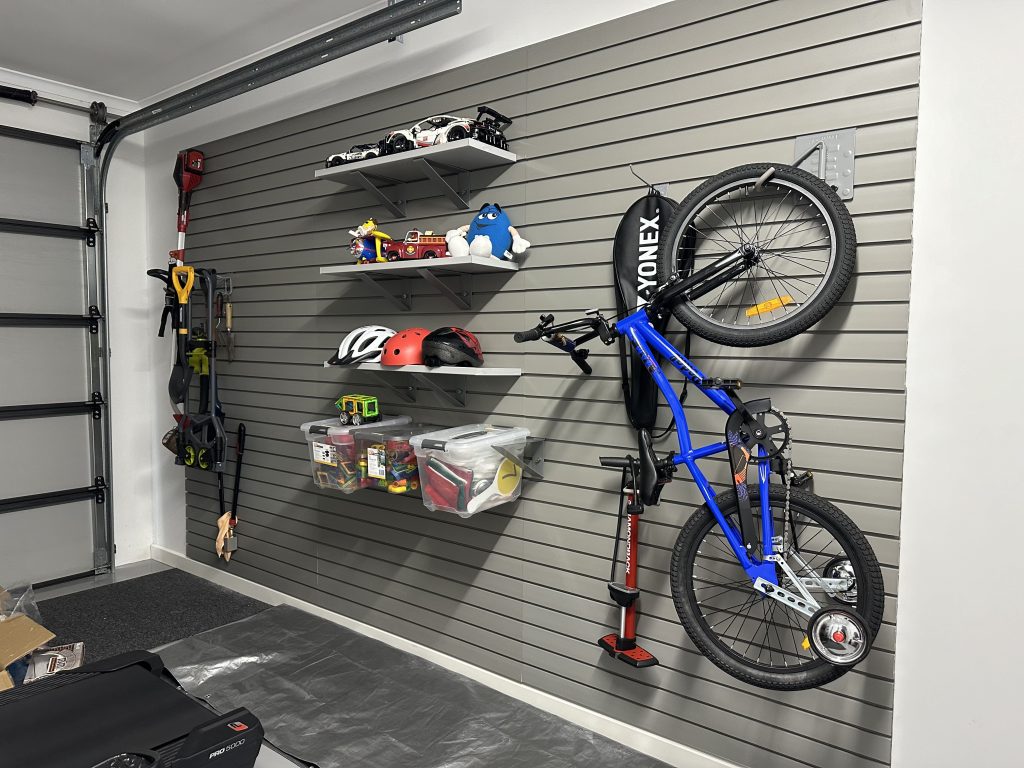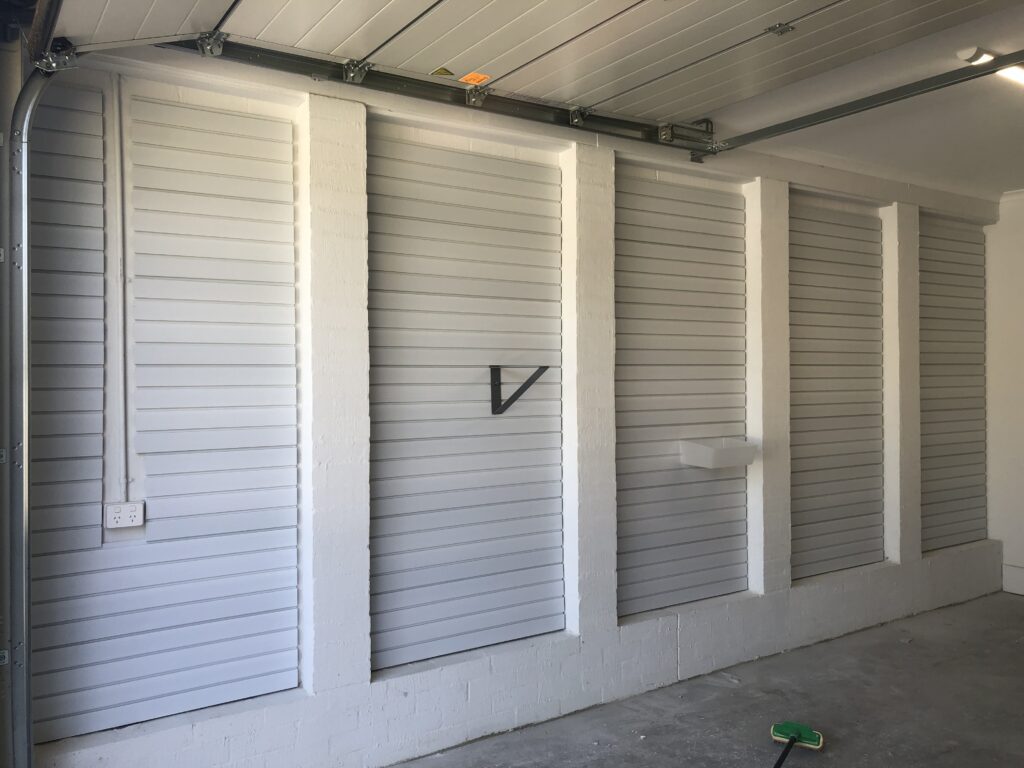
Access an Additional $20 Off All 2438mm Wall Panels!
CALL US

0411 280 646

Categories
Compressed Laminated PVC MKE Slatwall PVC vs MDF Slatwall

Compressed Laminated PVC Slatwall

Milwaukee Slatwall, or MKE Slatwall for short, is made of
compressed laminated PVC, “a much denser material” than
conventional.

Additionally, MKE Slatwall is surfaced with a decorative
laminate. The patented product’s initial six colors, including
textured woodgrains, were chosen to match the most popular
designs used by the nation’s leading manufacturers of garage
cabinetry.

The largest segment of slatwall installed in the garage today is
extruded PVC. In simple terms the extrusion
process involves heating up plastic pellets, putting them into a
funnel, color dying them, and pushing them through a mold.

That is how 100 percent of PVC slatwall used in Australian
garages are made. This process, while efficient, essentially limits
finish capability mostly to solid colors and simulated woodgrains.

Compressed Laminated PVC

The MKE laminated slatwall is essentially laminate pressed to
PVC. The backside of these wall panels are
actually flat. We apply an adhesive, put the laminate on top and
then press it. This process almost forms like a composite material. The net result is that compressed PVC is a much denser material with far greater weight capacity.

Because it has that aesthetic look and performance capability, we’re finding that MKE slatwall is making its way into the interior of the house.

Colour Range

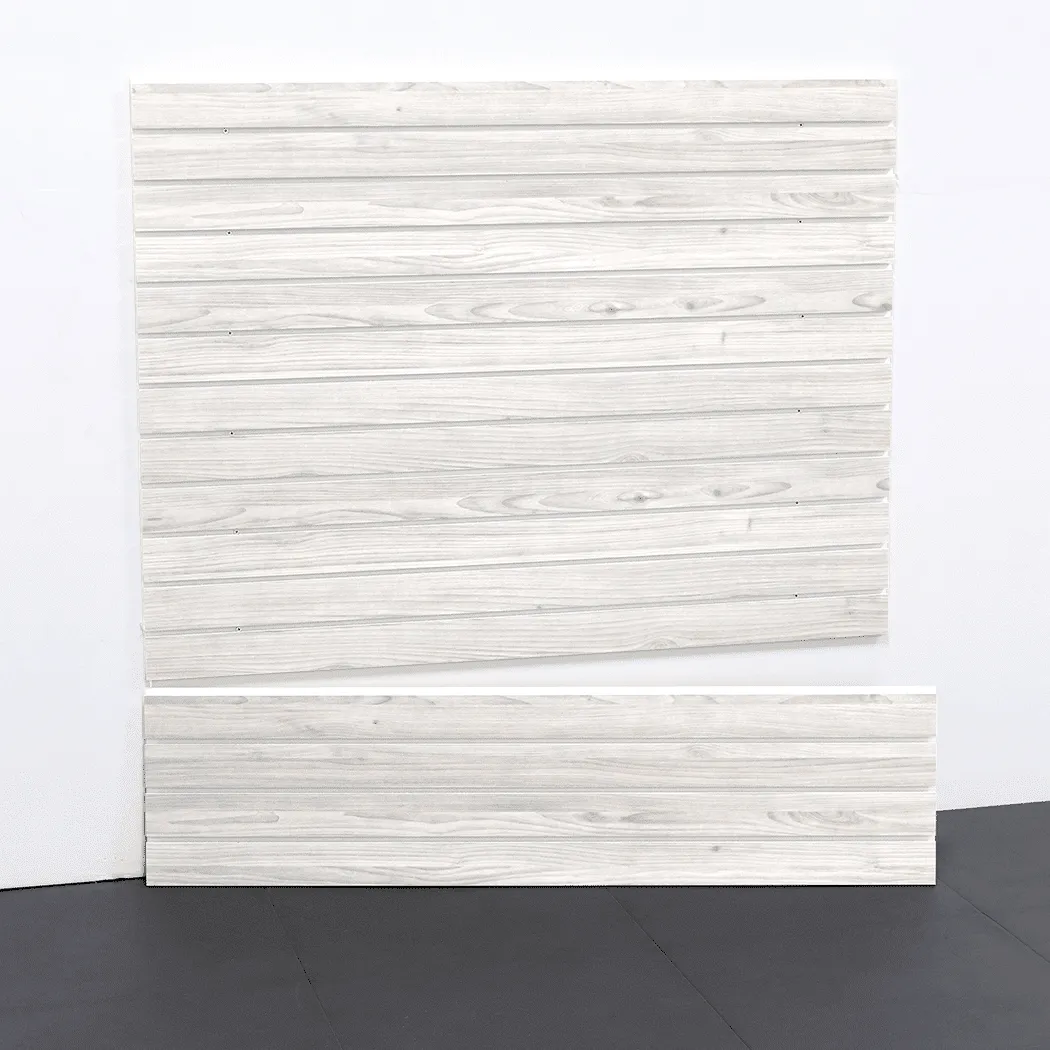
MKE Slatwall’s introductory six colors, including Whitewood,
were chosen to match the most popular designs used by leading manufacturers of garage cabinetry.

Extruded PVC is kind of a batch formula. If you get the
batch off by a little bit, the color can be a little different from
previous production runs. Because we are applying decorative
laminates to a PVC substrate, the color is going to be exact in
every production run. That elevates the capability of what we can
do.

In addition to its superior weight capacity, MKE Slatwall is waterproof, scratch-resistant, and resilient to extreme
hot or cold temperatures. Installation is also significantly faster
because screws can be driven directly through the wall panel into
the studs.

Your garage is a closet?

The garage is the largest closet within the home. We don’t call it a closet; we call it the garage because that’s where the cars are parked. But in reality, the purpose of the garage is a place to store things.

The garage is the last room the homeowner sees when they leave
their house and the first room that they see when they return
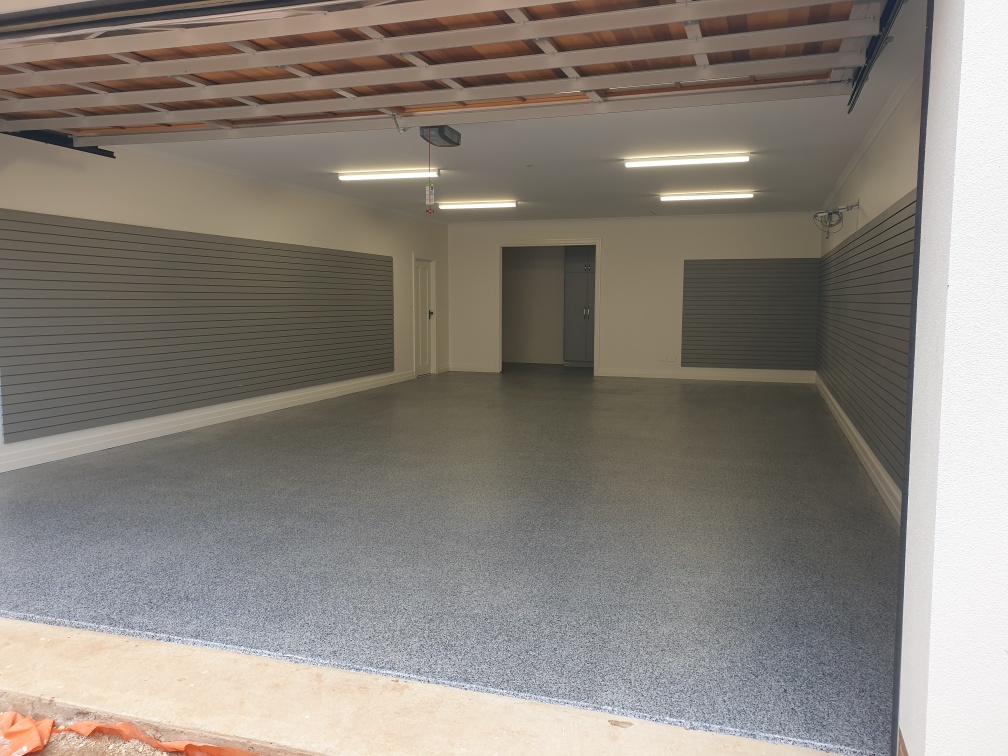
home. It’s also the only room in the house that all of your neighbours see. When a homeowner recognises all of that, it inspires them to take on a garage project that involves
slatwall, flooring and cabinetry.

Categories
Garage Walls PVC vs MDF Slatwall

How PVC Is Made

And How It’s Engineered for Strength, Pressure, Heat, and Wall Panel Systems

Polyvinyl chloride (PVC) is one of the most widely used plastics in the world, not just because it’s affordable, but because it can be engineered for radically different applications — from pressure-rated hot water pipes to high-load wall panels and slatwall storage systems.

This article explores:

  • How PVC is manufactured
  • The industrial processes used to strengthen it
  • How PVC is adapted for pressure and hot water
  • And how PVC wall panels and PVC slatwall systems are engineered for load-bearing, impact resistance, and long-term durability

What Is PVC?

meaning it softens when heated and hardens when cooled. On its own, raw PVC resin is rigid and brittle — its real versatility comes from additives, processing methods, and post-production treatments.

This is why PVC can exist as:

  • Flexible cable insulation
  • Rigid plumbing pipe
  • Structural wall panels
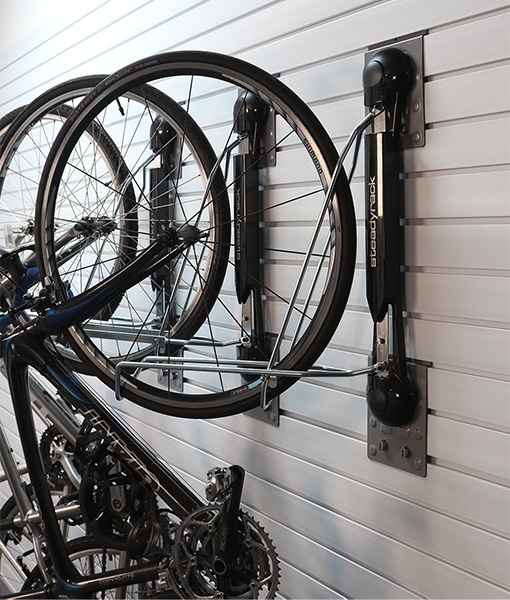
  • Heavy-duty slatwall systems designed to hold tools, bikes, and storage loads

Raw Materials and Chemical Foundations

PVC starts with two main ingredients:

  • Chlorine (derived from salt)
  • Ethylene (from natural gas or petroleum)

These are chemically combined to produce vinyl chloride monomer (VCM), which is then polymerized into PVC resin.

Polymerization: Turning VCM into PVC Resin

PVC resin is created by linking thousands of VCM molecules together in a process called polymerization.

The most common method is suspension polymerization, producing uniform resin particles that are later compounded with additives depending on the end use — pipe, panels, or profiles.

Compounding: Where PVC Gets Its Personality

PVC resin becomes useful only after compounding — blending it with additives that define its performance.

Common additives include:

  • Heat stabilizers – prevent breakdown during processing
  • Impact modifiers – improve toughness and crack resistance
  • Lubricants – assist extrusion and surface finish
  • Fillers – improve stiffness and dimensional stability
  • UV inhibitors – protect against sunlight exposure

For PVC wall panels and slatwall, impact resistance, rigidity, and long-term creep resistance are far more important than flexibility.

Industrial Processing Methods That Shape PVC Products

Extrusion: The Backbone of PVC Panels and Slatwall

Most PVC wall panels and slatwall systems are made using extrusion.

In this process:

  1. Compounded PVC is heated until molten
  2. It is forced through a precision die
  3. The profile is cooled and calibrated to final dimensions

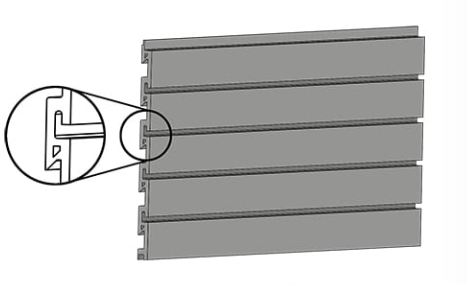
For slatwall, the die design is critical — internal ribs, wall thickness, and slot geometry determine load capacity and stiffness.

Controlled Cooling: Strength Is Set Here

Cooling isn’t just about solidifying shape — it controls internal stress and molecular alignment.

  • Uneven cooling can create weak points
  • Controlled cooling improves dimensional accuracy and long-term strength
  • High-quality wall panels use staged cooling baths and calibration tooling

This is especially important for slatwall systems that must support static and dynamic loads over many years.

How PVC Is Made Stronger — Key Engineering Techniques

1. Additive Engineering for Structural Performance

PVC wall panels and slatwall typically use rigid PVC (uPVC) with:

  • High impact modifiers
  • Minimal plasticizers (to prevent sagging)
  • Reinforced internal geometries

These formulations are closer to structural PVC than decorative plastic.

2. Profile Design & Internal Geometry

Strength isn’t only chemical — it’s mechanical.

PVC slatwall panels rely on:

  • Ribbed internal structures
  • Optimised wall thickness
  • Load-spreading slot designs

This allows panels to carry heavy point loads (hooks, shelves, cabinets) without cracking or deforming.

3. Compression & Calibration During Extrusion

During extrusion, panels pass through vacuum calibration tables that:

  • Apply controlled compression
  • Lock in precise dimensions
  • Improve density and surface integrity

This compression improves stiffness without making panels brittle.

4. Heat Treatment & Stress Relief

Some PVC profiles undergo post-extrusion heat stabilization:

  • Relieves residual stresses
  • Improves long-term dimensional stability
  • Reduces warping over time

This matters for wall systems installed over large areas or onto imperfect wall substrates.

How PVC Material Is MadePVC for Pressure and Hot Water — What Changes?
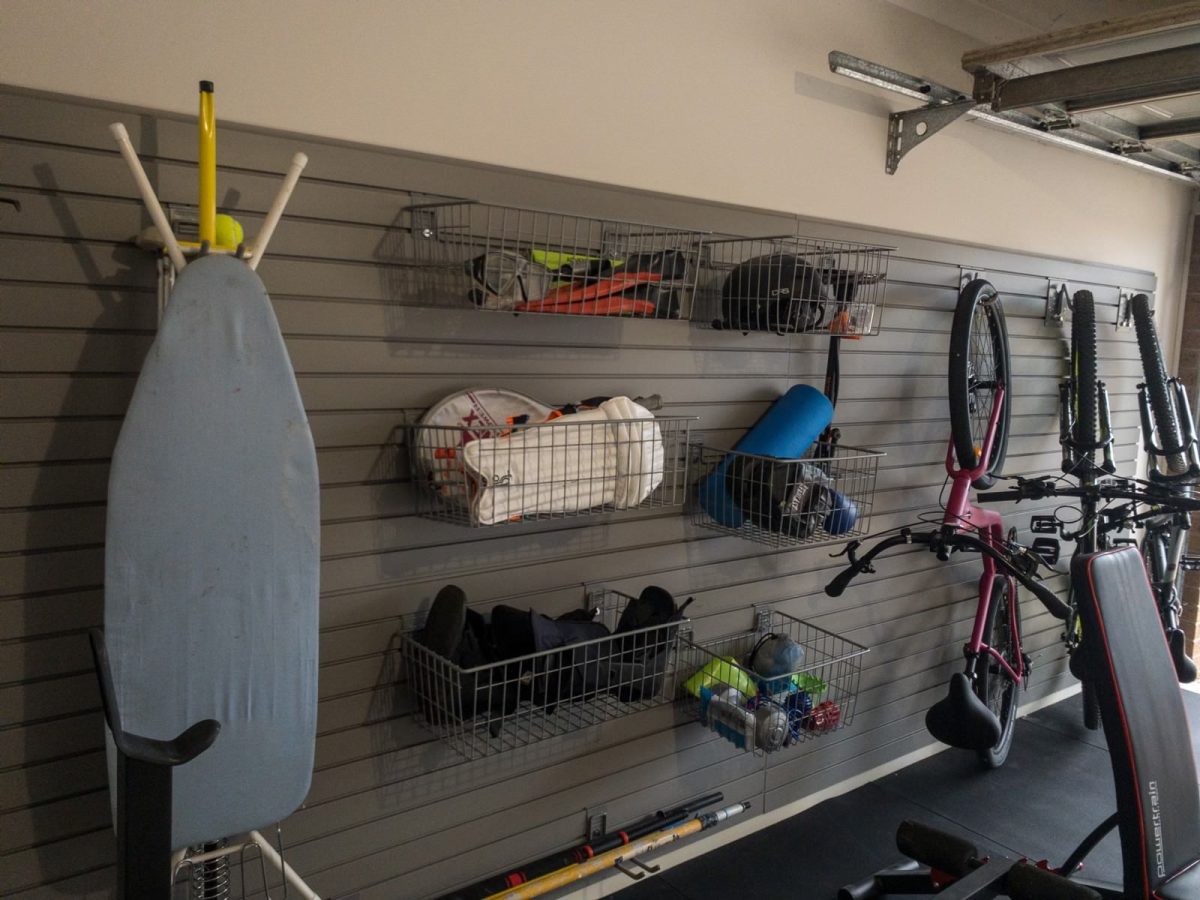
PVC used for pressure piping and hot water systems requires different enhancements:

Chlorinated PVC (PVC-C)

  • Additional chlorine increases heat resistance
  • Can handle significantly higher operating temperatures
  • Used in hot water and industrial piping

Oriented PVC (PVC-O)

  • Molecular chains are mechanically aligned
  • Dramatically increases tensile strength and impact resistance
  • Used for high-pressure water mains

While wall panels don’t require pressure ratings, many strengthening principles overlap — especially controlled cooling, molecular alignment, and additive selection.

PVC Wall Panels: Why the Material Works So Well

PVC is ideal for wall panels because it offers:

  • High impact resistance
  • Moisture and mould resistance
  • Dimensional stability
  • Easy cleaning and low maintenance
  • Consistent extrusion quality

In garages, workshops, and utility spaces, PVC panels outperform MDF or plasterboard when exposed to:

  • Humidity
  • Temperature changes
  • Mechanical impacts
  • Heavy storage loads

PVC Slatwall: A Structural Application of PVC

PVC slatwall is one of the most demanding uses of rigid PVC.

To perform well, slatwall panels must:

  • Support concentrated loads
  • Resist slot deformation
  • Maintain rigidity over time
  • Accept repeated accessory insertion and removal

This is achieved through:

  • Rigid uPVC formulations
  • Reinforced slot profiles
  • Tight manufacturing tolerances
  • Quality-controlled extrusion and cooling

Well-made PVC slatwall is closer to engineered plastic infrastructure than decorative wall lining.


Categories
garage design Garage Ideas garage makeover Garage Walls PVC vs MDF Slatwall Shelving Slatwall

Understanding Slatwall Weight Capacity

When selecting a wall storage system, understanding slatwall weight capacity is crucial to ensuring your setup is both functional and safe. StoreWALL panels are designed for strength and durability, but the weight they can hold depends on several factors, including panel type, installation method, and load distribution. In this guide, we’ll break down the weight capacities of StoreWALL’s Standard Duty and Heavy Duty panels to help you make an informed choice.

Why Weight Capacity Matters

Every storage solution must be designed to handle the weight of the items it holds. Whether you’re storing tools, sports equipment, or heavy-duty garage items, knowing how much weight your wall panels can support will help you avoid overloading and potential damage.

StoreWALL panels are tested to ensure they provide reliable, long-term support, and their capacity varies based on the panel type and installation method used.

Standard Duty vs. Heavy Duty Panels

StoreWALL offers two main types of wall panels: Standard Duty and Heavy Duty. Each has different weight capacities depending on its size and installation method.

Standard Duty Wall Panel weight capacityStandard Duty Wall Panels

These are the most popular choice for general storage needs, offering a balance of strength and versatility.

1219mm panel

  • 56kg at Panel Surface
  • 26kg at 10cm from Panel Surface
  • 22kg at 15cm from Panel Surface

Capacity assumes installation with InstallStrips.

2438mm panel

  • 113kg at Panel Surface
  • 52kg at 10cm from Panel Surface
  • 45kg at 15cm from Panel Surface

Capacity assumes installation with InstallStrips.

The 2438mm panel can handle double the 1219mm panel because it is twice the length. In both cases, total weight capacity assumes weight is distributed evenly across the panel. It also assumes the accessory you are using can support the weight of the item it is holding. All StoreWALL accessories are also rated for weight capacity.

Heavy Duty Wall Panels

Designed for more demanding storage applications, Heavy Duty panels provide greater weight capacity. These panels are thicker (about 1mm) and the installstrips used to install them are wider.

Heavy Duty Wall Panel Weight Capacity

1219mm panel

  • 68kg at Panel Surface
  • 37kg at 10cm from Panel Surface
  • 31kg at 15cm from Panel Surface

Capacity assumes installation with InstallStrips.

How Installation Method Affects Weight Capacity

InstallStrips vs. Screw Installation

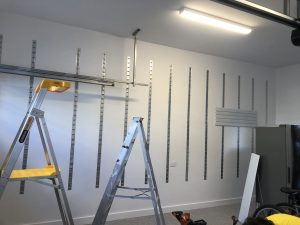
StoreWALL panels can be installed using either InstallStrips or direct screw installation. While both methods provide a strong hold, InstallStrips significantly increase weight capacity by evenly distributing weight across the panel.

For example:

  • Screw installation at 10cm from the panel surface supports only 17kg per panel, compared to 26kg or more when using InstallStrips.
  • InstallStrips allow for higher load-bearing capacity and greater long-term durability. They are made from galvanised steel and provide greater support for the weight being stored than just a screw does. The support is spread along the length of the installstrip, rather than being concentrating directly on the screw.
garage wall panel weight capacity

Distributing Weight for Optimal Performance

Regardless of which panel type or installation method you choose, it’s essential to distribute weight evenly across the wall storage system. Concentrating too much weight on a single hook or accessory can reduce stability and affect performance.

Key Recommendations:

  • Use multiple accessories to spread the weight evenly.
  • Place heavier items closer to the panel surface for maximum support. Some (ie heavy ladders) might also be better to also be touching the ground for best support.
  • Secure installation is key – always follow the recommended installation guidelines for optimal load-bearing performance.

Making the Right Choice for Your Storage Needs

When choosing your StoreWALL panel, consider:

  • What you’re storing – Heavy tools? Sports gear? General household items?
  • Installation method – Using InstallStrips will maximize strength and durability.
  • Weight distribution – Plan your storage layout to evenly distribute loads.

By selecting the right panel and installation method, you’ll ensure a long-lasting, secure, and efficient storage system that meets your needs while maintaining safety and durability.

Final Thoughts

StoreWALL panels are engineered for strength, reliability, and versatility, making them an excellent investment for any storage space. By understanding slatwall weight capacity and proper installation techniques, you can maximize their performance and longevity.

Ready to upgrade your storage? Explore StoreWALL’s Standard Duty and Heavy Duty panels today and find the perfect solution for your space!

Categories
garage design Garage Hooks Garage Ideas garage makeover Mould in Garage PVC vs MDF Slatwall

The Durability of PVC

A Deep Dive into PVC, One of the Most Resilient Materials

PVC (Polyvinyl Chloride) is one of the most widely used synthetic plastic polymers in the world, known for its versatility, affordability, and, most importantly, durability. From everyday household items to complex industrial applications, PVC’s robust properties make it a go-to material across various industries. In this blog post, we’ll explore the durability of PVC and why it stands out among other materials.

What is PVC?

Polyvinyl Chloride, commonly known as PVC, is a high-strength thermoplastic material commonly used in construction for pipes, wiring, and other applications. Its popularity comes from its long-lasting, corrosion-resistant, and weatherproof nature, which makes it ideal for both indoor and outdoor use.

Key Factors Contributing to the Durability of PVC

Chemical Resistance

PVC is highly resistant to many chemicals, including acids, alkalis, and salts, which makes it suitable for various applications where other materials might degrade or corrode. This resistance ensures that PVC remains unaffected by the harsh substances it might encounter in industrial settings or even household environments.

Water and Moisture Resistance

One of the standout features of PVC is its ability to resist water and moisture, making it perfect for applications in damp environments. This is why PVC is widely used in plumbing, rainwater systems, and even outdoor furniture.

PVC – Weather Resistance

Unlike many other materials, PVC can withstand extreme weather conditions, including heavy rain, snow, and UV radiation from the sun. Its ability to endure temperature fluctuations without losing its structural integrity makes it ideal for outdoor use.

Impact Resistance

PVC’s high impact resistance means it can absorb shock without cracking or breaking, making it a durable choice for high-traffic areas or places prone to rough use. This is particularly important for products like PVC wall panels or flooring, which need to endure daily wear and tear.

Longevity

PVC products are known to last for decades without significant degradation. This longevity is not only a testament to its physical properties but also contributes to its cost-effectiveness. For example, PVC pipes have an expected lifespan of over 50 years, outlasting many traditional materials.

Low Maintenance

PVC requires minimal maintenance compared to other materials. It doesn’t need painting, sealing, or frequent repairs, which further enhances its durability and keeps long-term costs down. A simple clean with water and mild detergent is often all it takes to keep PVC products looking new.

Fire Resistance

PVC has inherent fire-resistant properties due to its chlorine content, which slows down the spread of fire. This makes it a safer option for applications in environments where fire safety is a concern.

Mold and Bacteria Resistance

Its non-porous surface makes PVC resistant to mold, mildew, and bacteria, contributing to its durability and suitability for hygienic environments such as hospitals and food processing facilities.

Applications of Durable PVC

The durability of PVC makes it ideal for a wide range of applications, including:

  • Building and Construction: Pipes, window frames, flooring, wall cladding, and roofing sheets.
  • Automotive Industry: Used in dashboard components, cables, and trims due to its impact resistance.
  • Healthcare: Blood bags, tubing, and other medical devices that require a durable, sterile environment.
  • Home and Garden: Furniture, fences, decking, and storage solutions that need to withstand outdoor elements.
  • Industrial Uses: Conveyor belts, protective clothing, and other items exposed to harsh conditions.

Environmental Impact and Recycling

While PVC is highly durable, concerns about its environmental impact have led to significant advancements in recycling processes. Modern PVC can be recycled multiple times without losing its properties, making it a more sustainable option than many alternatives. Recycling PVC not only extends its lifespan but also reduces the environmental footprint of products made from this material.

The Durability of PVC – Conclusion

PVC’s durability is unmatched when it comes to resisting the elements, chemicals, and daily wear and tear. Its versatility and low maintenance needs make it a popular choice in industries ranging from construction to healthcare. As recycling technologies improve, the environmental footprint of PVC continues to shrink, making it not only a durable but also a sustainable choice for the future.

Whether you’re considering PVC for construction, home improvement, or industrial use, its resilience ensures a long-lasting solution that stands the test of time. So, the next time you see PVC in use, you can appreciate the science and engineering that go into making this material a durable, reliable option for a wide range of applications.

Categories
PVC vs MDF Slatwall Slatwall

The Benefits of PVC-Based Slatwall Panels for Efficient and Stylish Storage Solutions

In the realm of modern storage and organization, PVC-based slatwall panels are becoming increasingly popular for their versatility, durability, and aesthetic appeal. These panels offer an ingenious solution to cluttered spaces, particularly in retail, workshops, garages, and even home interiors. This article explores the numerous benefits of PVC-based slatwall panels and why they are an excellent choice for both commercial and residential storage needs.

1. Durability and Longevity

Resistant to Wear and Tear: PVC, or polyvinyl chloride, is known for its strength and durability. PVC-based slatwall panels can withstand significant wear and tear, making them ideal for high-traffic areas or spaces that require storing heavy items.

Moisture and Rot Resistant: Unlike traditional wood or MDF (Medium-Density Fiberboard) panels, PVC is impervious to moisture and humidity. This resistance to water ensures that the panels do not rot, warp, or swell, maintaining their structural integrity over time.

2. Versatility in Usage

Customizable Storage Solutions: PVC slatwall panels are equipped with horizontal grooves that can accommodate a variety of hooks, shelves, bins, and racks. This versatility allows users to customize their storage setup to fit their specific needs and can be easily reconfigured as those needs change.

Wide Range of Applications: From displaying products in retail stores to organizing tools in a garage, PVC slatwalls are adaptable to a multitude of environments and purposes.

3. Aesthetic Appeal

Sleek and Modern Look: PVC slatwalls offer a clean and modern look that can enhance the aesthetic of any space. With a variety of finishes and colors available, they can be seamlessly integrated into any interior design scheme.

Hide Clutter Effectively: By providing a designated space for each item, these panels help in maintaining an organized and clutter-free environment, which is visually pleasing and easier to navigate.

4. Space Efficiency

Maximizing Wall Space: PVC slatwall panels are an excellent way to utilize vertical space effectively, especially in areas where floor space is limited. By organizing items vertically, these panels free up valuable floor space.

5. Easy Installation and Maintenance

Simple Set-Up: Installing PVC slatwall panels is relatively straightforward, making them a viable option for DIY enthusiasts. The panels can be cut to fit any space and are generally easy to mount.

Low Maintenance: PVC panels require minimal upkeep. They are easy to clean and do not need any special treatments or coatings to maintain their appearance and functionality.

6. Cost-Effective

Affordable Storage Solution: While offering a multitude of benefits, PVC slatwall panels are also cost-effective. Their durability means less frequent replacements, and their flexibility reduces the need for additional storage furniture or systems.

Conclusion

PVC-based slatwall panels present a compelling solution for efficient, durable, and aesthetically pleasing storage. Their adaptability to various environments, combined with the ease of installation and maintenance, makes them an ideal choice for both residential and commercial spaces. As storage needs continue to evolve, PVC slatwalls stand out as a practical, stylish, and economical option that meets the dynamic requirements of modern organization and display.

Categories
garage makeover garage wall panel colours Garage Walls Mould in Garage PVC vs MDF Slatwall

PVC vs MDF Slatwall

In the world of wall storage solutions, slatwall systems are a popular choice for both residential and commercial use. Two primary materials used in slatwall systems are PVC (Polyvinyl Chloride) and MDF (Medium Density Fiberboard). This article provides an in-depth comparison of PVC vs MDF slatwall, examining their characteristics, benefits, and applications to help you make an informed decision.

PVC vs MDF Slatwall

Material Composition and Properties

PVC Slatwall:

  • Composition: Made from polyvinyl chloride, a type of plastic known for its durability and resistance to moisture.
  • Properties: Lightweight, waterproof, and resistant to mold and mildew. It can be easily cleaned and maintained.
  • Aesthetics: Available in various colors and finishes, often designed to mimic wood grain or other textures.

MDF Slatwall:

  • Composition: Made from wood fibers bonded with resin under heat and pressure.
  • Properties: Heavier than PVC, with a solid, dense structure. It is susceptible to moisture and may swell or warp if not properly sealed.
  • Aesthetics: Typically comes in a smooth, painted finish, but can also be laminated or veneered to achieve different looks.

PVC vs MDF Slatwall – Durability and Strength

PVC Slatwall:

  • Durability: Highly durable and resistant to impacts, scratches, and chemicals.
  • Load Capacity: Generally supports lighter to moderate loads, depending on the thickness and quality of the PVC.

MDF Slatwall:

  • Durability: Strong and capable of supporting heavier loads. However, it is less resistant to physical damage and moisture compared to PVC.
  • Load Capacity: Typically higher than PVC, making it suitable for heavier items when properly installed.

Installation and Maintenance

PVC Slatwall:

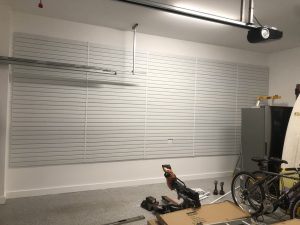
  • Installation: Easier to handle and install due to its lightweight nature. Often features interlocking panels for seamless installation. Can be easily cut to manage powerpoints and garage door brackets. The use of Installstrips makes installation less complicated and safer, delivery a very strong, robust garage storage system.
  • Maintenance: Low maintenance, requiring only occasional cleaning with mild soap and water.

MDF Slatwall:

  • Installation: Heavier and more challenging to install, requiring more robust mounting hardware and support structures. Panels are typically larger and heavier to carry, hold, and fasten to the wall.
  • Maintenance: Requires careful maintenance to avoid moisture exposure. Can be painted or refinished if scratched or damaged.

Cost and Affordability – PVC vs MDF Slatwall

PVC Slatwall:

  • Cost: Generally more expensive than MDF due to the manufacturing process and material properties. Installstrips can add to the price of the solution.
  • Long-Term Value: Offers long-term value due to its durability and low maintenance requirements. Will last over 10 years. Installstrips are galvanised eliminating rust.

MDF Slatwall:

  • Cost: More affordable upfront but may incur additional costs for sealing and maintenance over time.
  • Long-Term Value: Can be a cost-effective solution for dry environments where moisture exposure is not a concern.

Environmental Considerations

PVC Slatwall:

  • Environmental Impact: Made from plastic, which raises concerns about sustainability and recyclability. However, some manufacturers use recycled PVC in their products. StoreWALL wall panels are 100% Recyclable – Class 3 recyclable.

MDF Slatwall:

  • Environmental Impact: Made from wood fibers, which are a renewable resource. However, the production process involves the use of formaldehyde-based resins.
  • Recyclability: Can be recycled, but the presence of adhesives and finishes may complicate the process.
PVC vs MDF Slatwall

Applications and Use Cases

PVC Slatwall:

  • Best For: Environments where moisture and humidity are concerns, such as garages, basements, and retail spaces.
  • Common Uses: Ideal for organizing tools, sports equipment, and retail displays.

MDF Slatwall:

  • Best For: Indoor environments with controlled humidity, such as retail stores, showrooms, and home offices.
  • Common Uses: Suitable for displaying merchandise, organizing household items, and creating decorative wall features.

Conclusion – PVC vs MDF Slatwall

Choosing between PVC and MDF slatwall depends on your specific needs and environment. PVC slatwall offers superior moisture resistance, durability, and ease of maintenance, making it ideal for high-humidity areas and heavy-duty applications. By understanding the key differences and advantages of each material, you can select the slatwall system that best suits your storage and organizational needs.