Access an Additional $20 Off All 2438mm Wall Panels!
CALL US

0411 280 646

Categories
garage design Garage Ideas garage makeover Garage Walls PVC vs MDF Slatwall Shelving Slatwall

Understanding Slatwall Weight Capacity

When selecting a wall storage system, understanding slatwall weight capacity is crucial to ensuring your setup is both functional and safe. StoreWALL panels are designed for strength and durability, but the weight they can hold depends on several factors, including panel type, installation method, and load distribution. In this guide, we’ll break down the weight capacities of StoreWALL’s Standard Duty and Heavy Duty panels to help you make an informed choice.

Why Weight Capacity Matters

Every storage solution must be designed to handle the weight of the items it holds. Whether you’re storing tools, sports equipment, or heavy-duty garage items, knowing how much weight your wall panels can support will help you avoid overloading and potential damage.

StoreWALL panels are tested to ensure they provide reliable, long-term support, and their capacity varies based on the panel type and installation method used.

Standard Duty vs. Heavy Duty Panels

StoreWALL offers two main types of wall panels: Standard Duty and Heavy Duty. Each has different weight capacities depending on its size and installation method.

Standard Duty Wall Panel weight capacityStandard Duty Wall Panels

These are the most popular choice for general storage needs, offering a balance of strength and versatility.

1219mm panel

  • 56kg at Panel Surface
  • 26kg at 10cm from Panel Surface
  • 22kg at 15cm from Panel Surface

Capacity assumes installation with InstallStrips.

2438mm panel

  • 113kg at Panel Surface
  • 52kg at 10cm from Panel Surface
  • 45kg at 15cm from Panel Surface

Capacity assumes installation with InstallStrips.

The 2438mm panel can handle double the 1219mm panel because it is twice the length. In both cases, total weight capacity assumes weight is distributed evenly across the panel. It also assumes the accessory you are using can support the weight of the item it is holding. All StoreWALL accessories are also rated for weight capacity.

Heavy Duty Wall Panels

Designed for more demanding storage applications, Heavy Duty panels provide greater weight capacity. These panels are thicker (about 1mm) and the installstrips used to install them are wider.
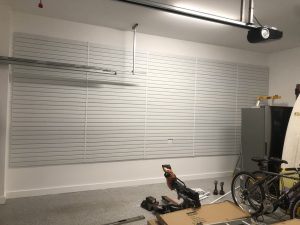
Heavy Duty Wall Panel Weight Capacity

1219mm panel

  • 68kg at Panel Surface
  • 37kg at 10cm from Panel Surface
  • 31kg at 15cm from Panel Surface

Capacity assumes installation with InstallStrips.

How Installation Method Affects Weight Capacity

InstallStrips vs. Screw Installation

StoreWALL panels can be installed using either InstallStrips or direct screw installation. While both methods provide a strong hold, InstallStrips significantly increase weight capacity by evenly distributing weight across the panel.

For example:

  • Screw installation at 10cm from the panel surface supports only 17kg per panel, compared to 26kg or more when using InstallStrips.
  • InstallStrips allow for higher load-bearing capacity and greater long-term durability. They are made from galvanised steel and provide greater support for the weight being stored than just a screw does. The support is spread along the length of the installstrip, rather than being concentrating directly on the screw.

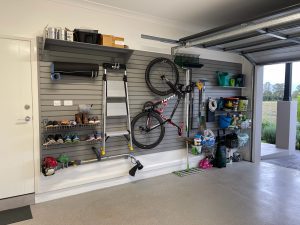
garage wall panel weight capacity

Distributing Weight for Optimal Performance

Regardless of which panel type or installation method you choose, it’s essential to distribute weight evenly across the wall storage system. Concentrating too much weight on a single hook or accessory can reduce stability and affect performance.

Key Recommendations:

  • Use multiple accessories to spread the weight evenly.
  • Place heavier items closer to the panel surface for maximum support. Some (ie heavy ladders) might also be better to also be touching the ground for best support.
  • Secure installation is key – always follow the recommended installation guidelines for optimal load-bearing performance.

Making the Right Choice for Your Storage Needs

When choosing your StoreWALL panel, consider:

  • What you’re storing – Heavy tools? Sports gear? General household items?
  • Installation method – Using InstallStrips will maximize strength and durability.
  • Weight distribution – Plan your storage layout to evenly distribute loads.

By selecting the right panel and installation method, you’ll ensure a long-lasting, secure, and efficient storage system that meets your needs while maintaining safety and durability.

Final Thoughts

StoreWALL panels are engineered for strength, reliability, and versatility, making them an excellent investment for any storage space. By understanding slatwall weight capacity and proper installation techniques, you can maximize their performance and longevity.

Ready to upgrade your storage? Explore StoreWALL’s Standard Duty and Heavy Duty panels today and find the perfect solution for your space!
Categories
garage design Garage Ideas garage makeover Garage Walls Polystyrene block wall

Installing StoreWALL on a Polystyrene block wall

This week, I received an inquiry about installing StoreWALL on a polystyrene block wall. Since I wasn’t very familiar with this building material, I took the time to explore the process in detail with the customer. Here’s what I learned and the solutions we discussed.

What Are Polystyrene Blocks and Why Are They Popular?

Polystyrene blocks are becoming a go-to material in modern construction for their blend of energy efficiency, light weight, and cost-effectiveness. These blocks are known for their superior insulation, which helps maintain consistent indoor temperatures, leading to reduced heating and cooling costs. Their lightweight nature makes them easy to handle and install, speeding up construction and reducing labor costs. Additionally, polystyrene blocks are moisture-resistant and durable, making them suitable for a variety of climates. They are also recyclable, making them an environmentally friendly choice for sustainable building projects. As energy-efficient and budget-conscious housing solutions continue to gain momentum, polystyrene blocks are emerging as a preferred option for builders.

How Are Polystyrene Block Walls Constructed?

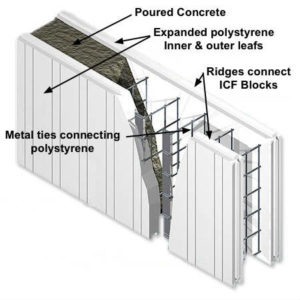
Polystyrene block walls are assembled in a straightforward process, similar to stacking LEGO blocks. These blocks are cut to size and feature a hollow core, which is later filled with concrete, and reinforced with steel, forming a strong, dense wall structure. The polystyrene on the outside remains intact, providing insulation on both sides of the concrete core. This combination of materials creates a highly efficient and durable wall system.

Installing StoreWALL on Polystyrene Block Wall: The Challenges

When installing StoreWALL on a polystyrene block wall, the main challenge is finding a way to securely fasten the installstrips to the polystyrene while ensuring they can support the weight of whatever will be stored. I suggested two possible solutions to the customer:

Plasterboard Zinc Anchors

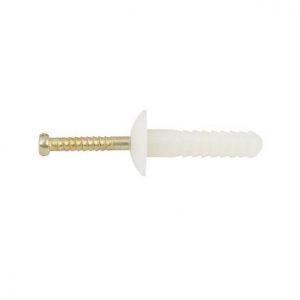
One option is to use plasterboard anchors, which can be placed behind each of the 12 screw holes on the StoreWALL installstrip. Each anchor can support up to 10kg of weight, making it a reliable and efficient method. This approach is also relatively quick and straightforward, using proven fasteners that are easy to source and install.

plasterboard anchorsNail Anchors

Wall Panels on a Garage Brick Wall

The second option involves using nail anchors long enough to penetrate into the concrete core behind the polystyrene. To determine the correct length of the fastener, you’d first need to puncture the block to measure the thickness of the polystyrene. The fastener should extend at least 20mm into the concrete for optimal hold. While this method provides a stronger, more secure solution, it may require longer and thicker anchors, such as 75mm or even 100mm options. These are readily available and should provide ample support when fastened into the concrete.

Both methods offer viable solutions depending on the specific needs of the installation, with the nail anchors providing a more robust option for heavier loads.

Categories
Garage Ideas garage makeover Garage Walls Slatwall StoreWALL

If You See a Reddit Review Saying “Think Twice About StoreWALL” — Here’s What You Should Really Know

There’s a Reddit post (about 2 years old) in the garage organisation threads titled “If you’re looking at StoreWALL, think twice.” (Reddit) It’s important to read every review — but also to understand context, common industry engineering realities, and the broader range of customer experiences.

Let’s break it down and clarify what’s real, what’s misunderstood, and what every homeowner should consider before dismissing a premium garage storage system.

1. One User’s Experience ≠ Entire System Failure

In the Reddit post, the customer described a panel failure after six months under load — implying that the system is inherently unsafe.

Here’s what’s crucial to understand:

  • Weight ratings are not guesses — they are based on tested load capacities at specific points measured in controlled conditions.
  • Every modular wall storage system (including gladiator and proslat brands) can fail if installation standards aren’t fully met or loads are applied in ways the system wasn’t designed for (e.g., far from studs without adequate backing).
  • StoreWALL, like other premium systems, has published load ratings and installation recommendations to help you mount it safely — and these matter more than anecdote.
  • We publish load ratings at the wall surface and 10cm from the wall.
  • We also publish ratings for each accessory, ie how much it can hold in weight.

A single panel incident doesn’t prove systemic failure — it suggests either a specific installation or loading issue that likely could have been prevented with correct mounting or load distribution.

2. Installation Matters — A Lot

Wall storage systems rely on strong anchoring to your structural studs or masonry. What’s rarely discussed in one-off reviews:

  • In this particular case, the customer secured the panels directly to the wall using screws. They did not use installstrips.
  • Whilst this installation method works, the load capacity of the panel and therefore the hooks is much less than specified.
  • The customer mentioned using installstrips in some places and not in other due to bulging and loose panels. This bulging is most likely due to an uneven wall and poor leveling at installation. The installstrips themselves are only a few mm in thickness so they themselves can cause bulging.
  • A direct installation through the panel may seem like a tighter more secure fixing of the panel to the wall.  However, the load is only supported by the fasteners/screws and the panel. Whereas when Installstrips are used, these metal brackets sit between the panel and the wall. Having all three support your weight it better than just the two.

3. “Crash” Incidents Don’t Automatically Mean Product Fault

When someone says a panel failed and materials fell off the wall — several possibilities exist beyond a product defect:

  • Improper stud engagement or fastener choice
  • Loads applied in ways exceeding recommended ratings

If a panel is properly mounted into studs and loads are distributed correctly, the likelihood of failure is near zero. Our experience selling StoreWALL for the past 10 years has proven this.

4. Weight Ratings Are Technical — Not Arbitrary

Weight capacities are usually rated for loads applied directly at the panel surface, not at extended distances (like heavy tools hung far out from the wall surface). This is common with all slatwall systems:

  • StoreWALL’s capacity ratings include at surface and at 10cm from surface.
  • A hook’s rating is one thing
  • A lever force (weight held far from the wall with leverage) is another
  • Over leveraging is easy to do. If the ladder sits at the end of the hook, and the hook has a depth of 30cm, then the weight in this case is extended to 30cm from the wall. Heavy items should shit as close to the wall as possible.
  • If you consider the type of ladder in this case and its depth, the 40lbs was sitting on the Utility Hook, with the weight spread across the depth of the Hook. I believe that this ladder was too heavy for the hook and its depth pushed the weight to the end of the hook. It was over leveraging.
  • I think the ladder could probably have rested on the ground, supported by hook. It would have been a safer option.

Both need proper engineering consideration — and advanced systems like StoreWALL offer accessories designed to handle these scenarios, as well as guidance on how to mount and distribute loads.

Crucially, StoreWALL’s CamLok locking mechanism secures the accessory to the wall, allowing for easy on/off without worrying that the hook itself will give way and come off the wall.

5. Load Capacity varies by manufacturer.

You can purchase storage systems at Bunnings that state their wall rail can support 100KG when installed with 6 just screws. See our notes comparing the Storease and the Gladiator system.

At StoreWALL, we have always recommend installing with Installstrips to give you the best experience you can have with our systems.

Choosing the right system means understanding your storage loads, installation surface, and accessory needs — not just the brand name.

6. Reviews Should Be Balanced — Look at Both Sides

While negative feedback can be useful, it’s important to weigh it against the broader consensus from:

These frequently highlight:

  • Ease of installation
  • Robust accessory options
  • Long-term performance in real garages which contrasts with isolated negative anecdotes.

7. What You Should Do as a Potential Buyer

If a Reddit post concerns you:

  1. Evaluate load requirements — what will you hang?
  2. Choose proper fixings into structural studs
  3. Use accessory ratings appropriately
  4. Ask for professional installation if unsure
  5. Compare broad user feedback
  6. Watch the various installation videos to understand the installation process.
Categories
Brick Walls garage design Garage Ideas garage makeover Garage Storage On TV Garage Walls Slatwall StoreWALL

Battening out a brick wall

Battening out a brick wall is a common practice in construction and renovation, but it’s not always necessary for every project. Understanding when and why you should batten out a brick wall can help ensure the longevity and stability of your installations, whether you’re adding insulation, installing garage wall panels, or creating a smooth surface for new finishes. In this article, we’ll explore the situations that require battening, the benefits of the process, and a step-by-step guide on how to do it.

What Does Battening Out Mean?

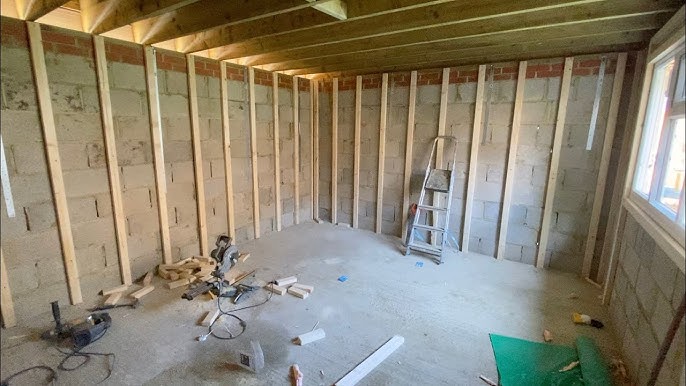
Battening out a brick wall refers to the process of attaching vertical wooden battens (strips of timber) or metal furring strips to a brick or masonry wall. These battens create a framework that allows you to attach various materials, such as plasterboard, insulation, or garage panels, while maintaining an air gap between the wall and the new surface. This method is commonly used when the surface of the wall is uneven, damaged, or needs extra support for the materials being attached.

When is it Necessary to Batten Out a Brick Wall?

Not every brick wall will need battening out, but there are several situations where it becomes essential:

Uneven or Damaged Brickwork

  • If the brick wall is uneven or damaged, it’s challenging to achieve a smooth, level surface using plasterboard or panels alone. Battening out the wall creates a uniform, level framework for attaching these materials, ensuring a better finish and stronger support.
Adding Insulation
  • If you’re renovating an old building or a garage and need to add insulation, battening out the wall is often necessary. Battens create the space needed for insulation boards or rolls to fit securely between the wall and the interior cladding. This not only improves energy efficiency but also helps prevent moisture buildup.

Installing StoreWALL or Similar Garage Wall Panel Systems

  • Heavy-duty slatwall systems like StoreWALL require a stable and even surface to support their weight and functionality. If the brick wall is very uneven, damaged, or if you need to create a gap for wiring and other installations, battening out the wall provides the necessary support and structure for secure installation.

Moisture and Damp Issues

  • If the brick wall is prone to moisture or dampness, battening out the wall can help create an air gap that improves ventilation and reduces the risk of moisture-related damage. This is particularly important in basements, garages, or older buildings where damp issues are common.

Accommodating Electrical and Plumbing Systems

  • When installing electrical wiring, pipes, or other systems that need to run behind the interior surface, battening out the wall creates the space needed to conceal these elements safely and effectively.

Benefits of Battening Out a Brick Wall

  • Creates a Level Surface: Ensures that the final surface, whether it’s plasterboard, panels, or tiles, is level and professional-looking.
  • Improves Insulation: Allows for the addition of thermal or acoustic insulation, enhancing energy efficiency and soundproofing.
  • Provides Support: Offers a stable structure for mounting heavy items like shelving, wall panels, or large installations.
  • Moisture Control: Helps manage moisture by creating an air gap that improves ventilation and reduces the risk of damp issues.
  • Flexibility for Services: Allows for the easy routing of cables, pipes, and other utilities behind the wall surface.

Step-by-Step Guide to Batoning Out a Brick Wall

If you determine that battening out your brick wall is necessary, follow these steps for a successful installation:

Tools and Materials Needed:

  • Wooden battens or metal furring strips
  • Electric drill with masonry bit
  • Wall plugs and screws
  • Tape measure
  • Spirit level
  • Pencil or marker
  • Saw (if cutting battens)
  • Insulation boards or rolls (if insulating)

Steps:

  1. Measure and Mark the Wall
    Begin by measuring the height and width of the wall where you’ll be installing the battens. Mark the positions where each batten will be placed, typically spacing them 400–600 mm (16–24 inches) apart. Ensure that the markings are level using a spirit level. A typical interior wall has studs at 450mm intervals. You can use this as your guide for spacing out your battens.
  2. Cut the Battens to Size
    If using wooden battens, ensure you select wood that is as straight as possible. Cheap bent wooden battens will not fix an uneven brick wall. Cut the battens or furring strips to the required length using a saw. Ensure they are cut precisely so they fit snugly from floor to ceiling.
  3. Drill Holes in the Wall
    Using an electric drill with a masonry bit, drill holes at the marked positions where you’ll attach the battens. These holes should be deep enough to accommodate wall plugs and screws.
  4. Attach the Battens to the Wall
    Insert wall plugs into the drilled holes. Place the batten against the wall and drive screws through the batten into the wall plugs. Check each batten with a spirit level to ensure it is vertical and aligned properly. Tighten the screws securely to hold the battens in place.
  5. Install Insulation (Optional)
    If you’re adding insulation, cut the insulation boards or rolls to fit between the battens. Fit them snugly into place, ensuring there are no gaps that could reduce the effectiveness of the insulation.
  6. Attach the Cladding or Panels
    Once the battens and insulation (if applicable) are securely in place, you can proceed with attaching the cladding, plasterboard, or garage wall panel system. Use the battens as the framework for securing these materials, ensuring they are level and securely fastened.
  7. Final Checks
    Once everything is installed, check that the new surface is level and free of gaps or movement. Make any necessary adjustments before finishing with paint, wallpaper, or other finishing touches.

Conclusion

Battening out a brick wall is a practical solution in many renovation and construction scenarios. Whether you’re dealing with uneven brickwork, adding insulation, or installing a heavy-duty system like StoreWALL, battoning ensures a secure and professional finish. By following the steps outlined in this guide, you can achieve a stable and effective installation, improving both the aesthetics and functionality of your space.

If you’re planning a project that involves battening out a wall, ensure you have the right tools and materials on hand, and always consult a professional if you’re unsure about the wall’s condition or structure.

Categories
Brick Walls garage design garage makeover Garage Wall Accessories Garage Walls GarageSmart Home Gym Installation Slatwall

Installstrips

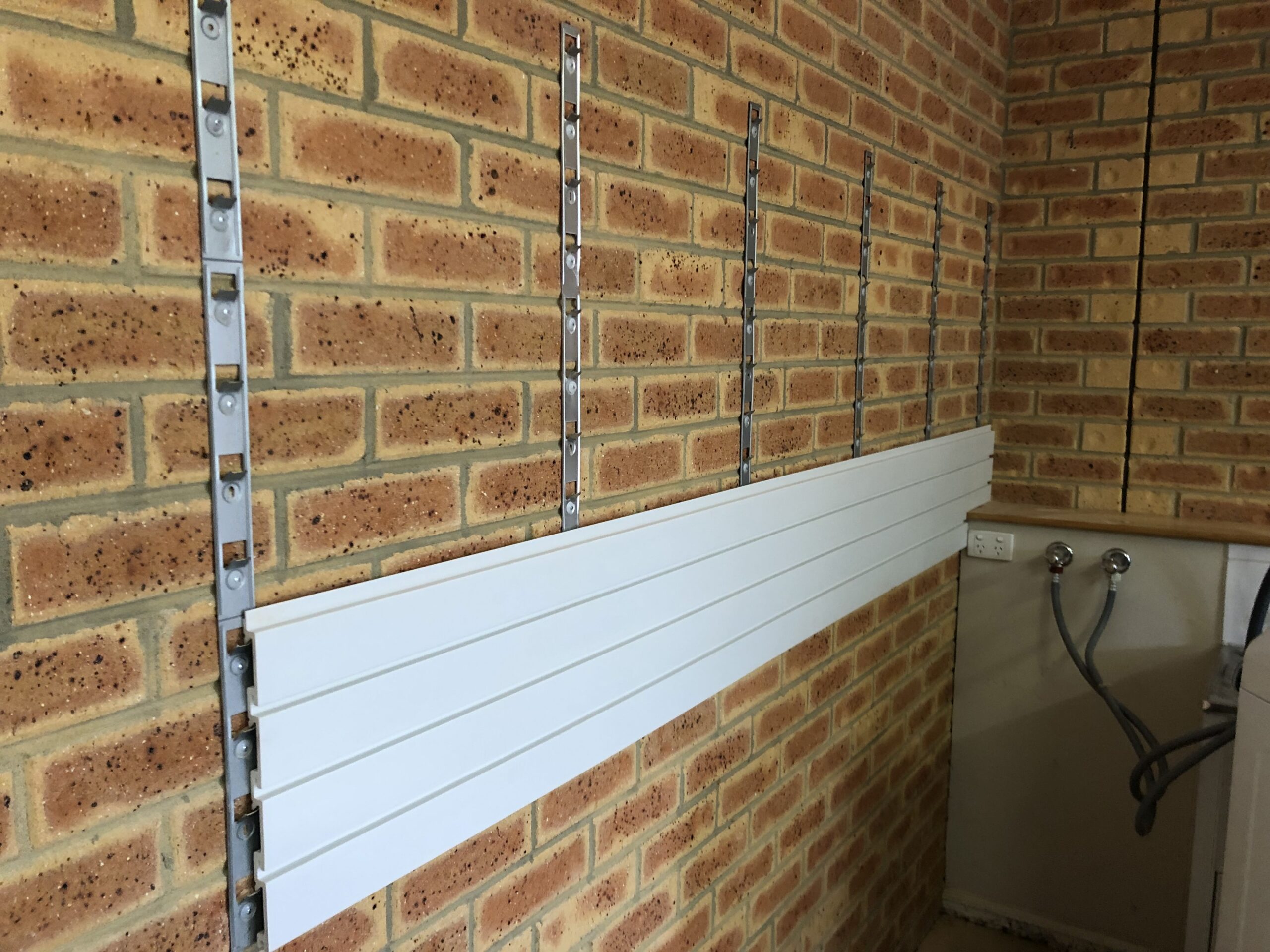
We often get asked how StoreWALL wall panels differ from many others available in Australia. A key difference is our use of InstallStrips, which are metal brackets designed to securely mount the panels to wall studs. Hanging wall panels on InstallStrips screwed into studs is significantly stronger than directly screwing the panels into the studs because of the following reasons:

Load Distribution & Weight Support

  • Installstrips which are metal brackets, act as a structural support system, evenly distributing the weight of the wall panels and anything mounted on them.
  • When panels are directly screwed into studs, the weight is concentrated at each screw point, increasing the risk of failure over time, especially with heavy loads.

Increased Shear & Pull-Out Strength

  • Screws alone can shear under load or pull out if too much force is applied, especially if the panels are loaded with heavy items.
  • Metal brackets provide additional resistance to pulling forces by creating a rigid structure that holds the panels securely.

Enhanced Stability & Reduced Panel Flexing

  • Metal brackets create a firm mounting base across multiple studs, reducing panel movement and flexing.
  • Directly screwing panels to studs means each panel section is only as strong as its attachment points, which may cause bowing or movement under weight.

Easier Installation & Adjustability

    • Brackets allow for more precise alignment and level installation of panels.
    • If adjustments are needed, panels can be repositioned more easily compared to unscrewing and reattaching directly to studs.

Installstrips – Long-Term Durability

  • Over time, screws directly in the panel can loosen or strip out from repeated loading and unloading.
  • Brackets provide a reinforced anchor point that remains strong over years of use.

Wall Protection

  • Brackets create a small gap between the wall and panels, allowing air circulation, reducing moisture buildup, and protecting both the panels and the wall from damage.

Conclusion

Using Installstrips to mount wall panels ensures stronger, more stable, and longer-lasting installation compared to directly screwing panels into studs. The brackets distribute weight, enhance durability, and provide a more secure mounting system—especially for garages, workshops, and commercial applications where heavy-duty storage is needed.

Categories
Garage Hooks Garage Ideas garage makeover Garage Walls Shelving Shoe Rack

Transforming Small Spaces

Smart Storage Ideas for Apartments and Condos

Living in an apartment or condo often means dealing with limited space, multifunctional rooms, and the challenge of keeping everything organised without creating clutter. The good news? With smart planning and the right storage systems, even the smallest living spaces can feel spacious, tidy, and stylish.

Below are practical ideas—supported by product recommendations—that help you maximise every square meter of your home.

1. Go Vertical: Utilise Wall Space Efficiently

When floor space is limited, walls become your biggest asset. Vertical storage clears visual clutter and frees valuable living area.

Ideas

  • Install a slatwall storage system to create adjustable, modular wall storage.
  • Use hooks, baskets, shelves, and bins to customise the layout for your lifestyle.
  • Create zones: entryway drop zone, kitchen wall rack, or laundry wall organiser.

Recommended StoreWALL Products

  • StoreWALL Standard or Heavy-Duty Panels – perfect for small balconies, laundry rooms, or storage nooks.
  • StoreWALL Hooks – ideal for bags, umbrellas, helmets, tools, or cleaning equipment.
  • StoreWALL Baskets – for quick-grab items like gloves, sports gear, or shopping bags.

2. Optimise Your Entryway with Smart Storage

Apartments rarely offer built-in entry closets, leaving shoes, coats, and bags without a home.

Solutions

  • Add a wall-mounted storage system with hooks for jackets and backpacks.
  • Use shoe baskets or tilted shelves to keep footwear tidy.
  • Install a slim bench with built-in storage for hiding everyday items.

3. Maximise Your Laundry Area

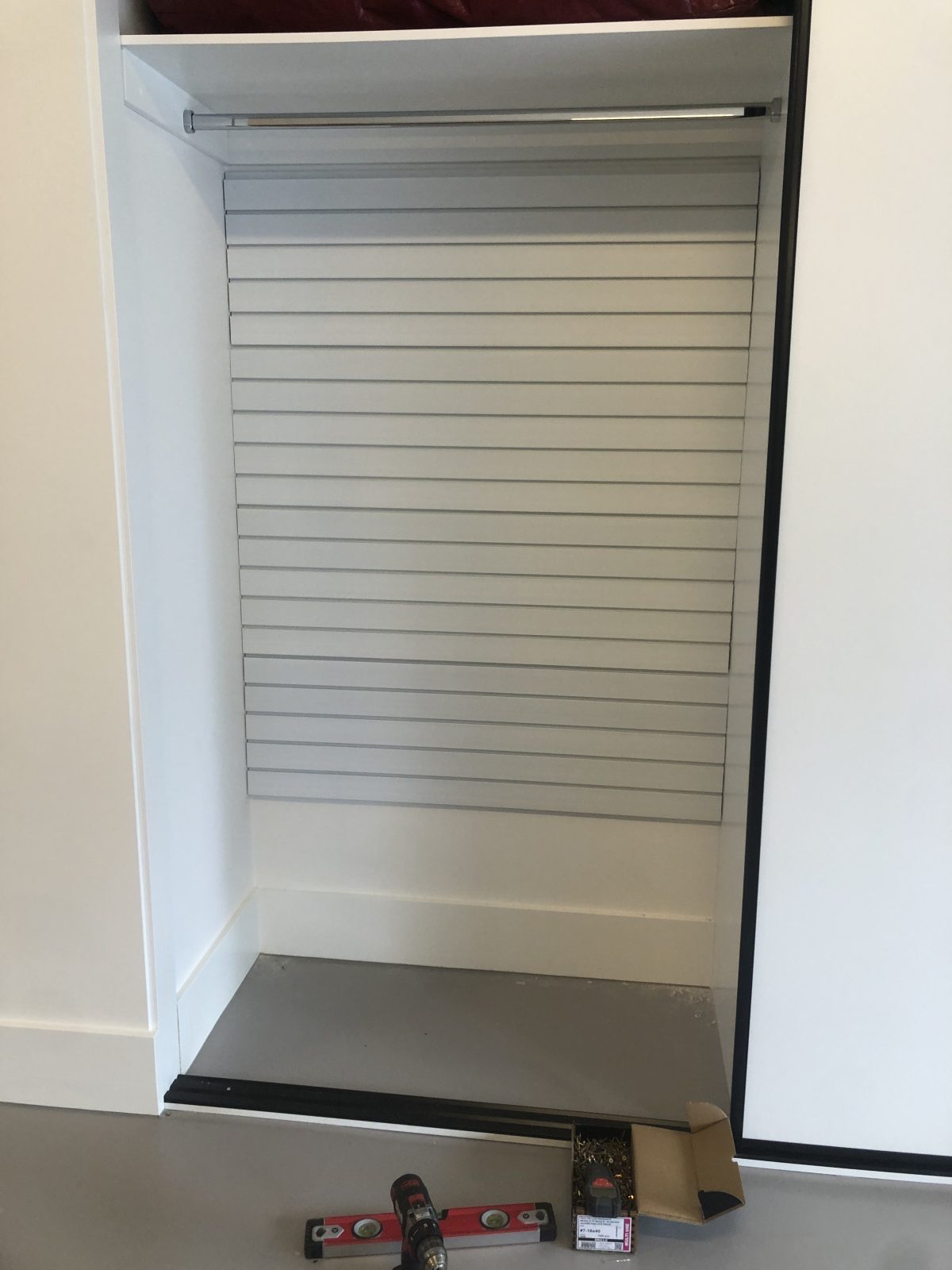
Many modern apartments feature compact European laundries behind bi-fold doors. This space is ideal for vertical storage.

Tips

  • Install wall panels above the washer/dryer for detergents, cleaning tools, and laundry baskets.
  • Hang mops, brooms, and dustpans using heavy-duty hooks.
  • Add a small shelf for folded towels and supplies.

StoreWALL Picks

  • Heavy Duty Tool Hook for brooms and mops
  • Ventilated Shelf for laundry items
  • Heavy Duty Universal Hook for ironing boards

4. Make the Most of Your Balcony or Storage Cage

Apartment living often includes a small balcony or a wire mesh storage cage in the basement. Both are perfect opportunities for structured organisation.

Ideas

  • Create a mini outdoor tool station for garden supplies.
  • Add weather-resistant slatwall panels in storage cages for bikes, sports equipment, or camping gear.
  • Use deep baskets for bulky items like potting soil or hoses.

Recommended Gear

  • StoreWALL Vertical Bike Hook
  • Deep Tote Bag or Mesh Basket
  • Heavy Duty Cradle Hook for outdoor equipment

5. Create Multi-Use Rooms with Flexible Storage

In small apartments, bedrooms and living rooms often double as home offices, workout areas, or hobby spaces.

Ideas

  • Use wall panels behind a desk to store stationery, cables, and office equipment.
  • Turn a corner into a compact fitness zone with hooks for resistance bands, yoga mats, or weights.
  • Create a hobby wall for sewing, crafting, or DIY tools.

    6. Use Smart Shelving to Declutter Indoors

    Compact shelving helps maintain order in kitchens, bathrooms, and living rooms.

    Tips

    • Floating shelves add storage without consuming precious floorspace.
    • Deep shelves help store appliances or pantry goods in small kitchens.
    • In bedrooms, small shelves beside the bed can replace bulky bedside tables.

    7. Keep Garage or Car Spaces Efficient

    If your apartment includes a small garage space, smart wall storage can double or triple its usability.

    Ideas

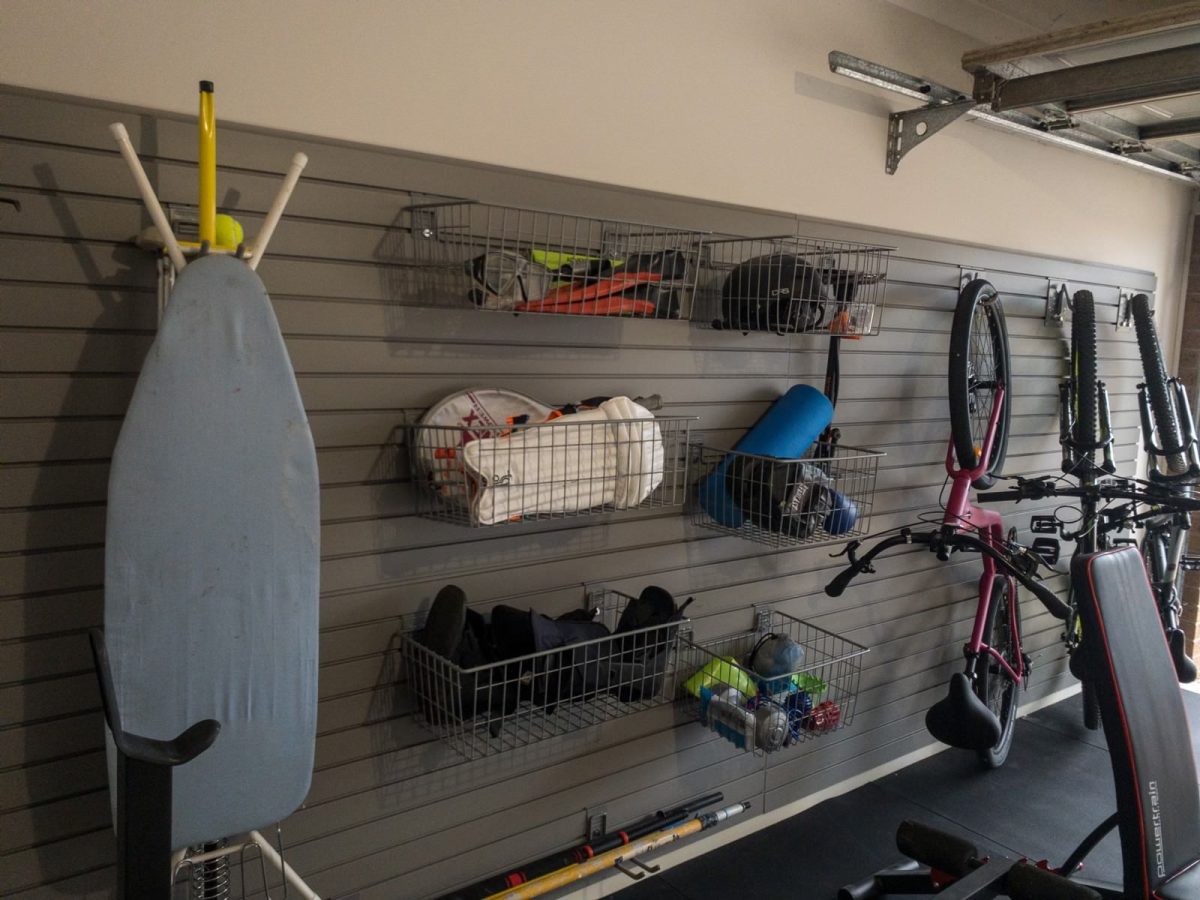
    • Mount bikes, ladders, and sports equipment vertically.
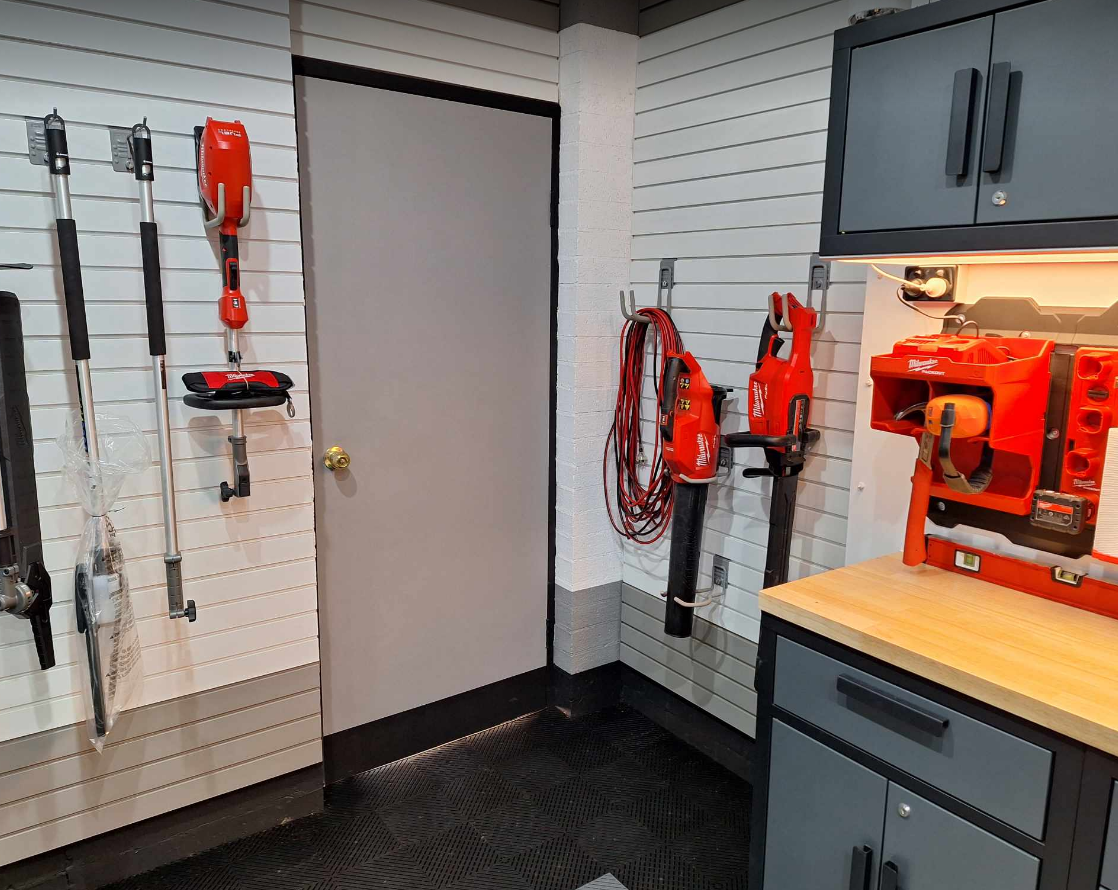
    • Store tools, car accessories, and cleaning supplies on a single compact wall panel.
    • Use the top of the wall for seasonal storage.

    Suggested Products

    • StoreWALL Heavy Duty Hooks & Brackets
    • Tool Organising Trays
    • Plastic Bins for small accessories


    Categories
    Carport Storage Solution Garage Hooks Garage Walls Slatwall StoreWALL

    The Evolution of Slatwall

    The Evolution of Slatwall: From Retail Staple to Home Organization Hero

    Slatwall, a familiar sight in retail stores for decades, has evolved significantly since its inception. Originally designed to maximize display space and flexibility in commercial settings, slatwall has transcended its initial purpose, finding new applications in home organization, particularly in garages and workspaces. Let’s explore the journey of slatwall from its humble beginnings to its current status as a versatile and essential storage solution.

    The Birth of Slatwall

    Slatwall, also known as slotwall or slatboard, was first introduced in the 1960s. Its creation was driven by the need for a flexible, durable, and aesthetically pleasing display system for retail environments. The design featured horizontal grooves or slats that allowed for the easy insertion of various accessories such as hooks, shelves, and brackets. This modular system enabled retailers to customize their displays quickly and efficiently, adapting to changing inventory and promotional needs.

    Slatwall in Retail: The Early Years

    During the 1970s and 1980s, slatwall gained popularity across various retail sectors. Its ability to display a wide range of products in an organized and attractive manner made it a go-to solution for store owners. Whether showcasing clothing, electronics, or sporting goods, slatwall provided the versatility needed to create eye-catching displays that could be reconfigured without significant effort or expense.

    Innovations and Improvements

    As slatwall’s popularity grew, so did the innovations surrounding it. The materials used for slatwall panels evolved from basic wood composites to more durable and aesthetically pleasing options like medium-density fiberboard (MDF) with laminate finishes. This development not only enhanced the durability of slatwall but also expanded its aesthetic appeal, allowing it to blend seamlessly with various store decors.

    Additionally, a wide array of slatwall accessories emerged, further enhancing its functionality. Specialized hooks, baskets, and shelving units were designed to accommodate specific product types, making slatwall even more adaptable to different retail environments.

    Slatwall Enters the Home

    While slatwall continued to dominate the retail display market, its potential for home organization began to be recognized. The late 1990s and early 2000s saw a shift as homeowners started to adopt slatwall systems for personal use, particularly in garages, workshops, and home offices. The same attributes that made slatwall a favorite in retail—versatility, durability, and ease of customization—proved invaluable for home storage solutions.

    The Garage: A New Frontier

    Garages, often the most cluttered and underutilized spaces in a home, became the perfect canvas for slatwall’s capabilities. Homeowners began using slatwall panels to organize tools, sports equipment, gardening supplies, and more. The ability to easily rearrange hooks and shelves meant that the storage system could adapt to changing needs, whether it was a growing collection of tools or seasonal sports gear.

    Manufacturers responded to this growing demand by creating slatwall panels specifically designed for residential use. These panels often featured more robust materials to withstand the rigors of garage environments and came in a variety of finishes to suit different aesthetic preferences.

    Beyond the Garage: Slatwall in Modern Homes

    Today, slatwall has expanded beyond garages and workshops, finding its place in various areas of the home. In home offices, slatwall panels provide a customizable organization system for office supplies, files, and gadgets. In laundry rooms, they offer a practical solution for keeping cleaning supplies and laundry essentials neatly organized. Even in kitchens, slatwall can be used to create an adaptable storage system for pots, pans, and utensils.

    The Future of Slatwall

    The evolution of slatwall continues as new materials and designs emerge. Innovations such as metal and PVC slatwall panels offer enhanced durability and resistance to moisture, making them suitable for outdoor applications as well. As the trend towards home organization and optimization grows, slatwall is likely to remain a popular choice for both retail and residential environments.

    Moreover, the rise of smart home technology presents new opportunities for integrating slatwall with digital storage solutions. Imagine slatwall panels equipped with sensors that help you track inventory or find misplaced tools with the help of a smartphone app.

    Conclusion

    From its origins as a retail display system to its current status as a versatile home organization solution, slatwall has come a long way. Its evolution reflects the changing needs of both commercial and residential spaces, adapting to new challenges and opportunities along the way. As we continue to seek efficient and customizable storage solutions, slatwall’s legacy of flexibility and innovation ensures it will remain a staple in our homes and businesses for years to come.

    Categories
    Ceiling Storage Garage Hooks Garage Ideas Garage Walls Gardening Tools Pegboard

    How to Inefficiently Store Your Stuff

    The Art of Unclever Storage Solutions: How to Inefficiently Store Your Stuff

    Are you tired of all those innovative, practical storage solutions that actually help you organize your space? Do you long for the days when a pile of junk was just that—a glorious mess with no sense of order? Look no further! We present to you a guide to Unclever Storage Solutions, where inefficiency meets creativity in the least helpful ways imaginable.

    1. The Suspended Chaos

    Forget about neat shelves or pegboards. Instead, try suspending random objects from the ceiling with varying lengths of string. Nothing says “I’ve given up” quite like a bicycle hanging just low enough to smack you in the forehead every time you walk by. For added flair, hang your heavy tools above fragile items like glassware. It’s like playing a daily game of “Will It Shatter?”

    2. The Misplaced Heirlooms

    Have valuable family heirlooms that need storing? Perfect! Tuck them away in the least logical places. Grandma’s precious porcelain doll collection? Toss it into an old, dusty cardboard box marked “Holiday Decorations” and shove it into the attic. The thrill of possibly losing priceless memories will add excitement to your otherwise mundane storage routine.

    3. The Mystery Box

    Nothing beats the old “box of randomness” approach. Simply gather all your odds and ends, throw them into a box without labels, and bury it in the darkest corner of your garage. Finding that one missing screwdriver or your wedding album becomes an adventure, complete with frustration and hours wasted searching. Who doesn’t love a good treasure hunt?

    4. The Tetris Fail

    Instead of neatly stacking items, try cramming everything into a space it clearly doesn’t fit. The trick is to use brute force until the lid almost closes. Bonus points if you manage to wedge things in so tightly that removing one item causes an avalanche. You’ll never know the joy of hearing your stuff crash to the ground until you’ve tried this method.

    5. The Decorative Clutter

    Why hide your clutter when you can make it a centerpiece? Place your unused, bulky items in prominent locations around your home. That old surfboard you never use? Prop it against the dining room wall. Guests will marvel at your ability to blur the line between art and hoarding.

    6. The Forgotten Fridge

    For perishable items you need to store, why not use that old, broken fridge you keep meaning to throw out? Perfect for ensuring that you’ll never actually see those leftovers again. The best part? You’ll rediscover them months later, transformed into a science experiment gone horribly wrong.

    Conclusion

    So, there you have it—our guide to Unclever Storage Solutions, where disorder and inefficiency reign supreme. Whether you’re aiming to waste time, misplace important items, or simply create a tripping hazard, these methods are guaranteed to deliver. Because who needs practicality when you can have chaos?

    Categories
    Garage Walls Innovative garage design

    Innovative Garage Designs in Australia

    Introduction

    Australia, with its diverse climate and unique residential architecture, has inspired some of the most innovative garage designs. These designs not only cater to the practical needs of storage and vehicle protection but also add aesthetic value and functionality to homes. This article explores several case studies showcasing cutting-edge garage designs across Australia, emphasizing their unique features, benefits, and the creative minds behind them.

    1. The Eco-Friendly Garage in Melbourne

    Location: Melbourne, Victoria
    Designer: Green Spaces Design

    Overview:
    In Melbourne, a city known for its commitment to sustainability, Green Spaces Design created an eco-friendly garage that seamlessly blends with the environment. This garage incorporates solar panels, a green roof, and rainwater harvesting systems.

    Key Features:

    • Solar Panels: Provides renewable energy for the garage and the home.
    • Green Roof: Enhances insulation and promotes biodiversity.
    • Rainwater Harvesting: Collects and stores rainwater for car washing and gardening.

    Benefits:

    • Reduces carbon footprint
    • Lowers energy costs
    • Enhances property value

    2. The Multi-Functional Garage in Sydney

    Location: Sydney, New South Wales
    Designer: Urban Garage Solutions

    Overview:
    Urban Garage Solutions transformed a typical suburban garage into a multi-functional space. This garage serves as a car park, home gym, and workshop, showcasing the versatility of modern garage design.

    Key Features:

    • Foldable Gym Equipment: Saves space and provides a personal workout area.
    • Custom Storage Units: Organize tools, sports gear, and household items efficiently.
    • Durable Flooring: Epoxy flooring that withstands heavy use and is easy to clean.

    Benefits:

    • Maximizes available space
    • Increases home functionality
    • Provides a personal gym without additional construction

    3. The Luxury Car Showroom in Brisbane

    Location: Brisbane, Queensland
    Designer: Prestige Garage Designs

    Overview:
    Prestige Garage Designs created a luxury car showroom within a residential property. This garage features high-end finishes, advanced security systems, and climate control to protect valuable vehicles.

    Key Features:

    • High-End Finishes: Polished concrete floors, LED lighting, and glass walls.
    • Advanced Security: Includes surveillance cameras, alarm systems, and secure access.
    • Climate Control: Maintains optimal conditions for classic and luxury cars.

    Benefits:

    • Protects valuable vehicles
    • Enhances the aesthetic appeal of the property
    • Provides a professional-grade showroom at home

    4. The Smart Garage in Perth

    Location: Perth, Western Australia
    Designer: TechHome Innovations

    Overview:
    TechHome Innovations designed a smart garage that integrates the latest technology for convenience and security. This garage is fully automated and can be controlled via a smartphone app.

    Key Features:

    • Automated Doors: Open and close with a tap on a smartphone.
    • Smart Lighting: Adjusts based on time of day and occupancy.
    • Integrated Security: Monitors and controls the garage remotely.

    Benefits:

    • Enhances security and convenience
    • Offers energy-efficient solutions
    • Simplifies garage management

    5. The Compact Urban Garage in Adelaide

    Location: Adelaide, South Australia
    Designer: Compact Living Solutions

    Overview:
    Compact Living Solutions addressed the challenge of limited space in urban areas with a compact garage design. This garage maximizes every inch of space with innovative storage solutions and space-saving designs.

    Key Features:

    • Vertical Storage: Utilizes wall space for shelving and hooks.
    • Sliding Doors: Saves space compared to traditional swinging doors.
    • Modular Units: Customizable storage units that adapt to different needs.

    Benefits:

    • Optimizes limited space
    • Increases storage capacity
    • Provides a neat and organized environment

    Conclusion

    These case studies highlight the creativity and innovation in garage design across Australia. From eco-friendly solutions to high-tech smart garages, Australian designers are setting new standards in functionality, aesthetics, and sustainability. Whether you’re looking to transform your garage into a multi-functional space or a luxury showroom, these examples provide inspiration and practical ideas for your next home improvement project.

    Categories
    Garage Ideas garage makeover Garage Storage On TV Garage Walls

    Revitalize Your Garage with StoreWALL’s Diverse Range of Garage Wall Panel Colors

    Explore Premium Wall Storage Solutions in Australia

    Embark on your garage makeover this spring with StoreWALL, offering an exceptional range of garage wall panels, known for their unique shape, strength, and vibrant color options. StoreWALL is committed to providing top-notch wall storage solutions in Australia, catering to various preferences and needs.

    Discover StoreWALL’s Three Grades of Garage Wall Panels:

    • Heavy Duty Panels: StoreWALL’s premium offering, these panels boast the highest weight capacity. Available colors include Brite White, Weathered Grey, and Global Pine, perfect for a robust and stylish setup.
    • Standard Duty Panels: Our most popular range, chosen by 90% of our customers for its excellent value in weight capacity and color variety. Colors include Brite White, Weathered Grey, Barnwood Grey, Whitewood, Rustic Cedar, Graphite Steel, and Black.
    • Basic Duty Panels: An affordable option for those on a budget, available in White and Grey.

    Visualize and Compare with Our Comparison Chart:

    Gain Inspiration from the StoreWALL Garage Gallery:

    • Browse our Garage Gallery for real-life examples of garages transformed using StoreWALL panels. Witness the impact of a well-executed garage makeover.

    Success Story Spotlight – Mike’s Garage Makeover in Brisbane:

    • Mike’s project in Brisbane showcases the Standard Duty range, combining various lengths and two colors (Weathered Grey and Brite White) for a striking effect. Coupled with thoughtful paint choices and custom cupboards, Mike’s garage is a testament to the transformative power of StoreWALL’s solutions. The custom floor covering complements the wall panels, creating a cohesive and visually appealing space.

    Elevate Your Garage with StoreWALL:

    Whether you’re inspired by successful projects like Mike’s or have your unique vision, StoreWALL’s Garage Wall Panels offer the versatility and quality you need for a stunning garage transformation. Choose StoreWALL for a harmonious blend of strength, style, and functionality.