Access an Additional $20 Off All 2438mm Wall Panels!
CALL US

0411 280 646

Categories
garage design Garage Hooks Garage Ideas Shoe Rack Slatwall StoreWALL

Transform Your Retail Space with Slatwall Panels

A Must-Have for Merchandising Success

When it comes to designing a retail store, creating a visually appealing and functional display system is key to attracting customers and boosting sales. Enter Slatwall, a versatile and durable display solution that has become a staple in retail environments across industries. Here’s why Slatwall panels are an essential addition to your store and how to use it effectively.

Why Choose Slatwall Panels for Retail?

  1. Versatility for Every Product
    Slatwall panels can accommodate various accessories, such as hooks, brackets, bins, and shelves. This adaptability allows you to display anything from clothing and accessories to electronics, tools, and groceries.
  2. Maximized Space Efficiency
    With vertical panels, Slatwall optimizes wall space, keeping your floor uncluttered and your store organized.
  3. Customizable and Reusable
    You can rearrange displays with ease to match seasonal trends, new inventory, or promotional campaigns without needing new fixtures.
  4. Aesthetic Appeal
    Available in a range of finishes, Slatwall can complement your brand’s style and elevate the overall look of your store.
  5. Durability
    Designed to handle heavy-duty use, Slatwall panels can support both light and heavier merchandise with the right installation and accessories.
How to Use Slatwall in Retail
  1. Clothing and Apparel Stores
    Use hooks to hang garments or shelves to display folded clothing. Add bins for accessories like hats or scarves to create a visually dynamic layout.
  2. Electronics and Tech Shops
    Showcase items like headphones, phone cases, or gadgets using custom brackets and holders.
  3. Home Improvement and Hardware Stores
    Display tools, power equipment, or paint supplies securely with heavy-duty hooks and sturdy brackets.
  4. Grocery and Convenience Stores
    Organize snacks, supplements, and small packaged goods on Slatwall shelves or in bins for easy accessibility.
  5. Point-of-Sale Displays
    Install Slatwall panels near checkout areas to highlight impulse-buy items, boosting sales of smaller, high-margin products.

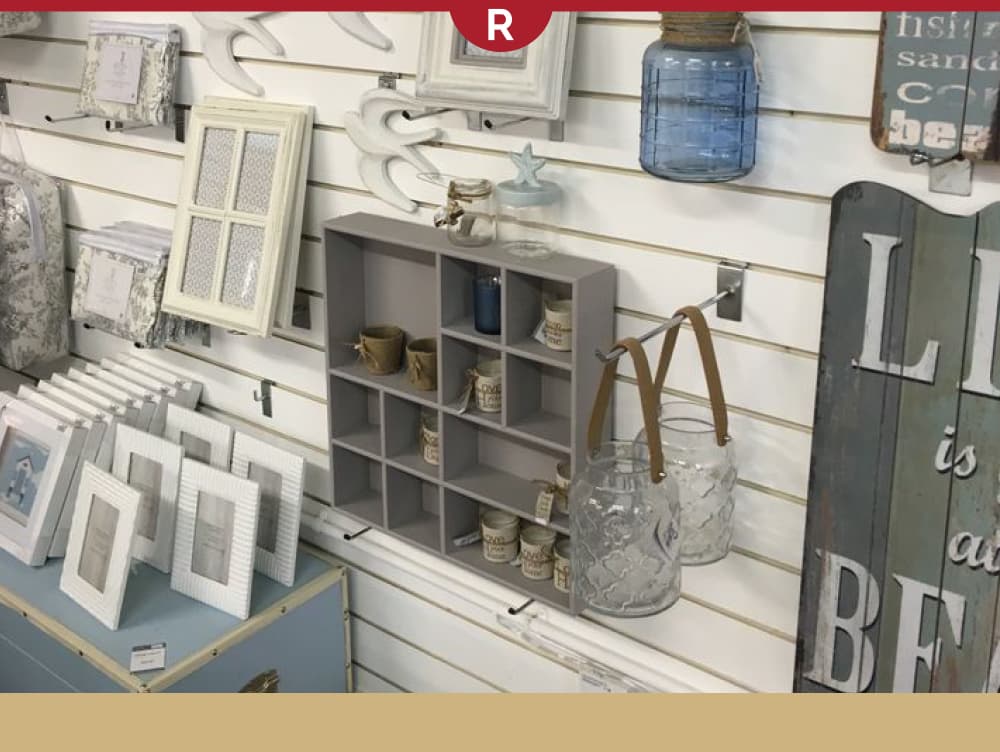
Retail Space with Slatwall Panels

Tips for Using Slatwall Panels Effectively

  • Create Zones: Divide your panels into sections to group related items, making it easier for customers to browse.
  • Change Displays Regularly: Rotate products and layouts to keep your store looking fresh and engaging.
  • Incorporate Branding: Use custom finishes or branded signage to integrate Slatwall with your store’s design.
  • Invest in Quality Accessories: Use durable hooks and brackets that align with your product’s weight and dimensions.

Slatwall: A Long-Term Investment

Whether you’re opening a new store or revamping your layout, Slatwall offers the flexibility, durability, and aesthetic appeal that retail environments demand. By leveraging its features, you can create a dynamic and customer-friendly shopping experience that drives sales and enhances your store’s efficiency.
Categories
Epoxy Floors garage design Garage Ideas garage makeover Garage Storage On TV

Best Garage Floor Tiling Options

Choosing the Right Tile for Your Space

Garage flooring has come a long way from simple concrete slabs. Today, a range of durable, stylish garage floor tiling options can enhance the look, durability, and usability of your garage. Each type of tile offers unique benefits, from impact resistance and slip prevention to easy maintenance. In this guide, we’ll explore the best garage floor tiling options for your garage, covering their pros and cons to help you choose the best flooring solution for your needs.

Interlocking PVC Tiles

Overview
Interlocking PVC tiles are a popular choice for garage floors due to their durability, ease of installation, and resistance to chemicals, oils, and stains. Made from high-quality PVC, these tiles are flexible yet strong enough to withstand the weight of vehicles and heavy equipment.

Benefits

  • Easy Installation: These tiles snap together without adhesives, making it a quick and mess-free DIY project.
  • Durable and Impact Resistant: With high resistance to impact, they’re ideal for garages that see a lot of activity, including the use of heavy tools and machinery.
  • Comfortable and Noise-Reducing: The flexible nature of PVC provides a softer, quieter surface compared to concrete or ceramic tiles.
  • Easy to Clean and Maintain: These tiles resist oil, grease, and chemical spills, making them easy to clean with basic household cleaners.

Drawbacks

  • Price: PVC tiles are generally more expensive than rubber or polypropylene options, especially when opting for thicker, heavy-duty versions.
  • Vulnerable to Heat: PVC can warp under high temperatures, so they may not be ideal in garages with frequent exposure to direct sunlight or extreme heat.

Porcelain and Ceramic Tiles

Overview
For a polished and permanent look, porcelain and ceramic tiles are an attractive, durable option. These tiles offer a sleek, refined appearance that can withstand years of wear, even under the demands of a garage environment.

Benefits

  • Highly Durable: Porcelain and ceramic tiles are extremely tough, resisting cracking and chipping even under heavy loads.
  • Water and Stain Resistant: These tiles are naturally resistant to moisture, stains, and chemical spills, making them easy to maintain.
  • Wide Range of Styles: With various colors, patterns, and finishes, ceramic and porcelain tiles provide numerous design options to complement any style.

Drawbacks

  • Challenging Installation: Installing ceramic or porcelain tiles requires experience, as it involves mortar, grout, and a longer curing process.
  • Cold and Hard Surface: The hardness of these tiles may be uncomfortable underfoot and can cause damage if tools or heavy objects are dropped.
  • Slippery When Wet: Some finishes can be slick when wet, so choose a slip-resistant finish for added safety.

Rubber Garage Tiles

Overview
Rubber garage tiles are made from heavy-duty rubber and are often used in professional workshops and gyms due to their resilience and comfort. They are available in interlocking or adhesive-backed options, and they can be cut to fit any space.

Benefits

  • Comfort and Shock Absorption: Rubber tiles provide a comfortable surface underfoot, reducing fatigue when standing or working for long periods.
  • Slip-Resistant: Rubber’s natural texture provides a non-slip surface, even when wet, making it a safe option for garages.
  • Easy to Clean: Spills can be easily wiped up, and regular sweeping and mopping keep them in good condition.

Drawbacks

  • Limited Color Choices: Rubber tiles are usually available in darker colors, which may limit aesthetic choices.
  • Sensitive to Chemicals: While durable, rubber can be damaged by certain chemicals and oils, so check compatibility before choosing rubber tiles.

Rigid Polypropylene Tiles

Overview
Polypropylene tiles are lightweight, rigid plastic tiles that snap together. They come in a variety of textures and colors and can often be designed with drainage holes, making them popular in garages that are exposed to water or other liquids.

Benefits

  • Easy Installation: Like PVC tiles, polypropylene tiles snap together without adhesives, making them a simple and reversible installation.
  • Chemical Resistant: These tiles are resistant to oils, grease, and most chemicals commonly found in a garage setting.
  • Drainage Options: Available in perforated designs, they allow water, mud, and debris to flow through, keeping the surface dry and slip-resistant.

Drawbacks

  • Less Comfortable: Unlike PVC and rubber, polypropylene tiles are rigid and less forgiving underfoot, which may reduce comfort during extended use.
  • Temperature Sensitivity: Extreme temperatures can cause polypropylene tiles to expand and contract, which may lead to buckling or warping if not installed with proper spacers.
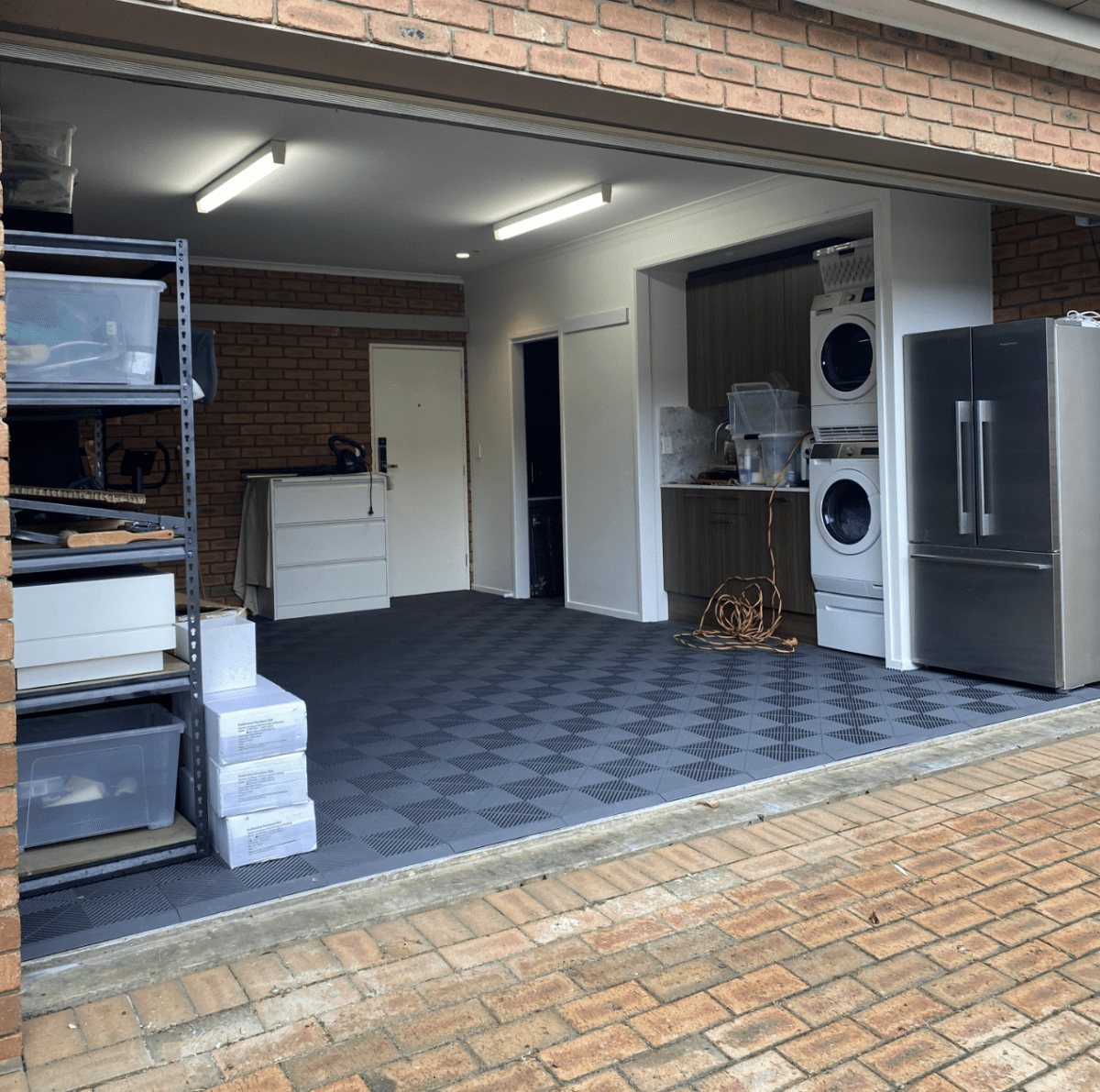
best garage floor tiles

Epoxy-Coated Tiles

Overview
Epoxy-coated tiles are typically porcelain or ceramic tiles coated with a layer of epoxy resin, providing added durability, moisture resistance, and a high-gloss finish. Epoxy-coated tiles combine the durability of traditional tile with the protection and visual appeal of an epoxy finish.

Benefits

  • Increased Durability: The epoxy coating adds an extra layer of protection, making tiles resistant to impact, moisture, and chemicals.
  • Attractive Finish: Epoxy coating provides a glossy, reflective surface, giving your garage a polished, showroom-like appearance.
  • Easy Maintenance: The epoxy layer is easy to clean and resists staining, making it low-maintenance.

Drawbacks

  • Costly and Time-Consuming Installation: Epoxy coating requires precision and curing time, which can make installation more complex and costly.
  • Potential Slipperiness: The glossy finish can become slippery when wet, so it’s best suited to garages where safety isn’t a concern or where a textured finish can be added.

Composite Tiles (Combination of PVC, Rubber, and Polypropylene)

Overview
Composite tiles are made from a blend of materials, such as PVC, rubber, and polypropylene, combining the best qualities of each. These tiles are typically designed to be impact-resistant, slip-resistant, and comfortable underfoot, while also offering flexibility in color and texture.

Benefits

  • Hybrid Durability: Composite tiles provide a balance of strength, flexibility, and comfort, making them a great all-around choice for a garage.
  • Easy Installation: Most composite tiles come in interlocking designs, making them easy to install and replace if necessary.
  • Versatile Aesthetic Options: Available in various colors, textures, and finishes, composite tiles can match a wide range of garage decor.

Drawbacks

  • Higher Cost: Due to their multi-material design, composite tiles tend to be pricier than single-material tiles.
  • Variable Quality: Depending on the materials and manufacturer, composite tiles can vary significantly in durability and performance, so it’s important to choose reputable brands.

Factors to Consider When Choosing Garage Floor Tiles

When considering the best garage floor tiling options for your home, it’s essential to think about your specific needs, budget, and how you use your garage. Here are some considerations:

  • Traffic and Usage: Consider how often you use your garage and for what purposes. Heavier use may call for more durable options like epoxy-coated tiles or porcelain tiles.
  • Climate and Environment: If your garage is exposed to significant temperature changes or moisture, choose tiles that can handle such conditions, such as polypropylene or rubber.
  • Aesthetic Preferences: Choose a style that complements your garage setup, whether you prefer a polished, high-gloss look or a rugged, industrial feel.
  • Budget: The cost of tiles can vary widely, so factor in both the cost per square foot and any additional installation expenses.

Choosing the Best Garage Floor Tiling Options

With so many garage flooring tile options available, finding the best one depends on your personal needs, aesthetic preferences, and budget. Interlocking PVC tiles, porcelain tiles, rubber tiles, and polypropylene options each have their unique advantages and drawbacks. For a versatile, easy-to-install solution, PVC or polypropylene interlocking tiles are ideal, while porcelain or epoxy-coated tiles work well for a more permanent, upscale look.

Investing in quality garage flooring not only enhances the look of your space but also improves its functionality and safety.

Categories
Brick Walls garage design garage makeover Garage Wall Accessories Garage Walls GarageSmart Home Gym Installation Slatwall

Installstrips

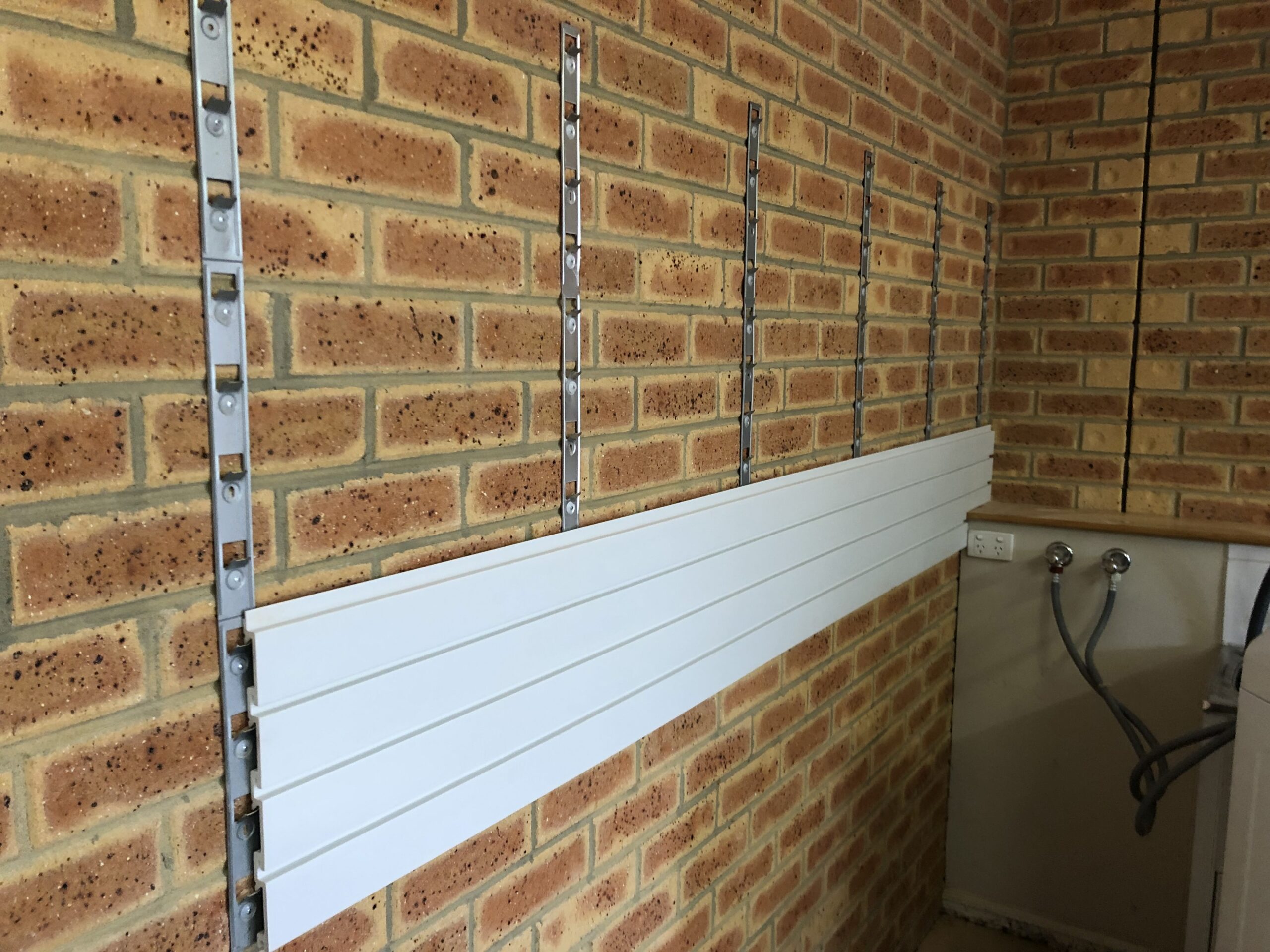
We often get asked how StoreWALL wall panels differ from many others available in Australia. A key difference is our use of InstallStrips, which are metal brackets designed to securely mount the panels to wall studs. Hanging wall panels on InstallStrips screwed into studs is significantly stronger than directly screwing the panels into the studs because of the following reasons:

Load Distribution & Weight Support

  • Installstrips which are metal brackets, act as a structural support system, evenly distributing the weight of the wall panels and anything mounted on them.
  • When panels are directly screwed into studs, the weight is concentrated at each screw point, increasing the risk of failure over time, especially with heavy loads.

Increased Shear & Pull-Out Strength

  • Screws alone can shear under load or pull out if too much force is applied, especially if the panels are loaded with heavy items.
  • Metal brackets provide additional resistance to pulling forces by creating a rigid structure that holds the panels securely.

Enhanced Stability & Reduced Panel Flexing

  • Metal brackets create a firm mounting base across multiple studs, reducing panel movement and flexing.
  • Directly screwing panels to studs means each panel section is only as strong as its attachment points, which may cause bowing or movement under weight.

Easier Installation & Adjustability

    • Brackets allow for more precise alignment and level installation of panels.
    • If adjustments are needed, panels can be repositioned more easily compared to unscrewing and reattaching directly to studs.

Installstrips – Long-Term Durability

  • Over time, screws directly in the panel can loosen or strip out from repeated loading and unloading.
  • Brackets provide a reinforced anchor point that remains strong over years of use.

Wall Protection

  • Brackets create a small gap between the wall and panels, allowing air circulation, reducing moisture buildup, and protecting both the panels and the wall from damage.

Conclusion

Using Installstrips to mount wall panels ensures stronger, more stable, and longer-lasting installation compared to directly screwing panels into studs. The brackets distribute weight, enhance durability, and provide a more secure mounting system—especially for garages, workshops, and commercial applications where heavy-duty storage is needed.

Categories
garage design Garage Ideas garage makeover Garage Storage On TV Home Gym Home Office

The Right Garage Size

How Big Should a Garage Be to Comfortably Fit Two Family Vehicles?

When building or renovating a garage for a family with two vehicles, it’s essential to consider how much space you’ll need to park both cars comfortably and allow room for storage, movement, and other activities. The right garage size ensures that you can easily access your vehicles, open doors, and even incorporate storage or workspace without feeling cramped. In this article, we’ll look at the dimensions and factors to consider for a two-car garage that meets your needs.

Standard Dimensions for a Two-Car Garage

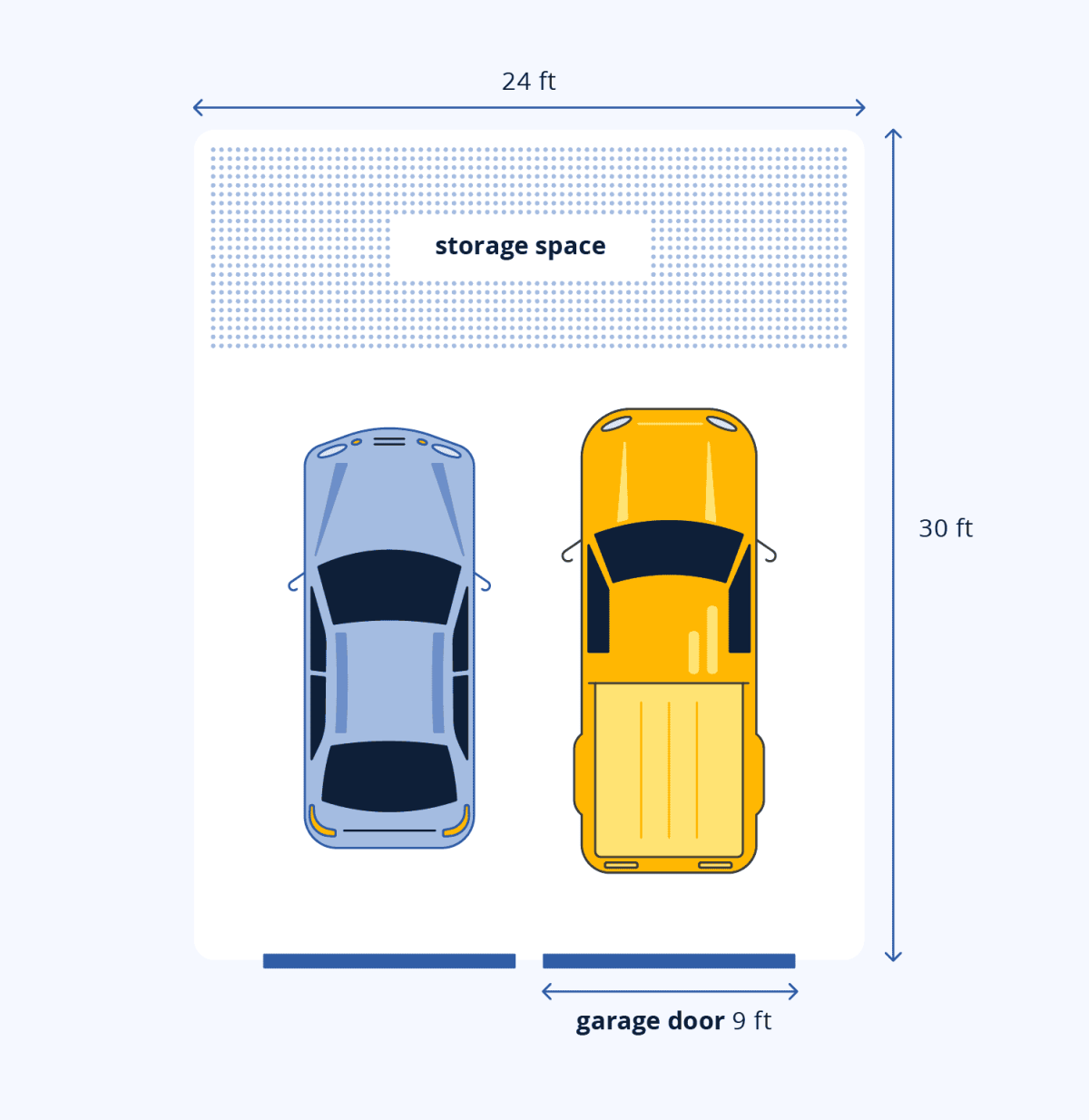
A standard two-car garage typically ranges from 20 feet by 20 feet to 24 feet by 24 feet, but the exact size depends on several factors, including the size of your vehicles, additional storage needs, and whether you’ll use the space for other activities. Here are some common garage dimensions and what they can accommodate:

right garage size for 2 cars

  1. 6m by 6m
  • This is generally the smallest recommended size for a two-car garage and can fit two compact cars snugly. However, maneuvering space will be limited, making it challenging to get in and out of your car, especially if you have larger family vehicles.
  1. 7m by 7m
  • This slightly larger size provides a bit more room around the vehicles, which makes it easier to open doors and move around. It’s ideal if you’re parking two standard sedans or compact SUVs and may allow for a small amount of wall storage.
  1. 7.5m by 7.5m
  • A 7.5m x 7.5m garage offers generous space for two vehicles, with room to spare for doors to fully open, and a small workbench or wall-mounted storage solutions for tools and equipment. This is an ideal choice for families with larger vehicles, such as SUVs or minivans, or those who require more room for storage.
  1. 7.5m x 8.5m
  • If you have especially large vehicles, like large SUVs, or if you plan to use part of the garage for a workshop or additional storage, a garage larger than 7.5m x 7.5m may be a better option. This size also provides more comfort when moving between vehicles and allows for more extensive wall storage or built-in shelving.

Factors to Consider When Determining Garage Size

To decide on the best garage dimensions for your family, it’s important to consider your specific needs and preferences. Here are a few key factors to keep in mind:

right garage size for 3 carsVehicle Size

  • The length, width, and height of your vehicles are major considerations. For example, a standard sedan requires less space than a large SUV. Measure the dimensions of each vehicle, including the side mirrors and the space needed to open doors fully, to ensure your garage can comfortably accommodate both cars.

Storage Needs

  • Most garages double as storage spaces, so think about what you need to store alongside your vehicles. Items like bicycles, lawn equipment, tools, and seasonal items can take up significant space. Consider incorporating slatwall panels, wall hooks, or ceiling storage to keep the floor clear while maximizing storage potential.

Room to Move and Access

  • Having enough room to comfortably enter and exit your vehicles is essential. Plan for at least 90cm of clearance on each side of the cars for doors and maneuvering. Also, consider pathways to access the back of the garage, which will be useful if you store larger items like lawnmowers or snowblowers.

Additional Uses

  • If you intend to use part of your garage as a workshop, gym, or hobby space, you may need additional square footage. In this case, a garage larger than 7.5m x 7.5m would be ideal, as it allows room for activities without obstructing vehicle access.

Future Flexibility

  • Planning for future vehicle changes is wise. If you anticipate upgrading to a larger vehicle or adding items like motorbikes or recreational equipment, a larger garage will provide flexibility down the road.

Recommended Dimensions Based on Vehicle Types

To help you choose the best garage size, here are some recommended dimensions based on vehicle types:

  • Two Compact Cars
  • Minimum: 6m x 6m
  • Recommended: 6.5m x 6.5m
  • Two Mid-Sized Sedans
  • Minimum: 6.5m x 6.5m
  • Recommended: 7.5m x 7.5m
  • One Mid-Sized Sedan and One SUV
  • Minimum: 6.5m x 7.5m
  • Recommended: 7.5m x 8m
  • Two SUVs or One SUV and One Truck
  • Minimum: 7.5m x 7.5m
  • Recommended: 7.5m x 8.5m

For garages with additional storage or workspace needs, consider going up to 7.5m x 8.5m to ensure sufficient room for both cars and extra features.

Tips for Organizing a Two-Car Garage

Once you’ve chosen the right size for your garage, optimizing the space is the next step. Here are some tips to help you make the most of your two-car garage:

Utilize Wall Space

  • Installing a slatwall system on one or more walls is an efficient way to store tools, sports equipment, and other items vertically. This setup keeps your belongings organized and off the floor, freeing up more room for vehicles.

Invest in Overhead Storage

  • Ceiling storage racks are excellent for storing items you don’t use regularly, like seasonal decorations or camping gear. These racks take advantage of the high ceilings often found in garages and provide a convenient place for large, bulky items.

Add a Workbench or Utility Table

  • If space allows, consider including a small workbench for DIY projects or repairs. Place it at the back of the garage or along a side wall where it won’t interfere with parking. Folding workbenches can also be an option for tight spaces, as they can be stored away when not in use.

Use Shelving for Bulk Storage

  • Wall-mounted shelves are ideal for storing bins, boxes, and other bulky items. Opt for adjustable shelves to allow for flexible storage options as your needs change.

Designate Zones for Different Items

  • Designating specific areas for tools, sporting goods, cleaning supplies, and other items can make it easier to stay organized. For example, place frequently used items close to the garage entrance or near the vehicles for quick access.

Final Thoughts: The Right Size for Your Needs

While a standard 6m x 6m garage may be sufficient for two compact cars, many families find that a slightly larger garage—such as 7.5m x 7.5m or larger—offers the convenience, storage, and flexibility they need. Considering your specific vehicle sizes, storage needs, and any additional uses for the space can help you choose the best garage dimensions for your family.

A well-planned garage size, along with efficient organization solutions like slatwall panels, overhead racks, and shelving, will ensure your space is comfortable, safe, and easy to use. Whether you’re building a new garage or updating an existing one, taking time to plan the right dimensions will make a difference in how functional and enjoyable the space is.

For top-quality organization tools and garage storage solutions, explore options at StoreWALL, where you’ll find durable slatwall systems, wall-mounted shelves, and a variety of accessories to help keep your garage organized and efficient.

Categories
Garage Hooks Garage Ideas garage makeover Home Gym Power Tools Sports Equipment

New Ultra Duty Garage Hook Range: Strength, Versatility, and Durability

At StoreWALL, innovation never stops. We’re excited to introduce our latest offering — the Ultra Duty Garage Hook range. Built for unparalleled strength and versatility, these hooks and brackets are designed to tackle the heaviest storage needs in your home, garage, or commercial space. With the ability to support up to 80kgs per hook, this new range is the strongest yet from StoreWALL.

Here’s a closer look at the four new additions to the Ultra Duty lineup and how they can transform your garage storage solutions.

1. Ultra Duty Wide Hook

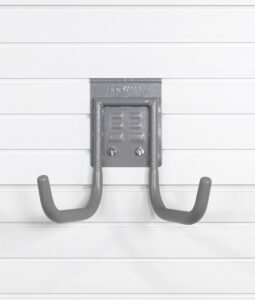
If you loved the classic StoreWALL Wide Hook, get ready to be impressed. The Ultra Duty Wide Hook is 2-3 times larger and significantly stronger. Its design allows it to hold bulky and oversized items that the standard hook just can’t handle.

Key Specifications

  • Dimensions: 304mm (H) x 330mm (W) x 254mm (D)
  • Weight Capacity: Up to 80 kg

This hook is ideal for holding larger tools, sports equipment, or heavy-duty power tools. Its wide design offers maximum surface contact, ensuring stability and reducing the risk of items falling.

ultra duty garage hook2. Ultra Duty Utility Hook

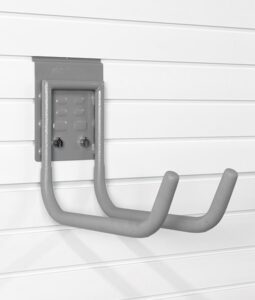
Say goodbye to storage limits with the Ultra Duty Utility Hook. Modelled after the HD Universal Hook, this new version is much larger, making it perfect for items that require deeper, more secure support.

Key Specifications

  • Dimensions: 304mm (H) x 152mm (W) x 381mm (D)
  • Weight Capacity: Up to 80 kg

This hook is perfect for securing large gardening tools, electrical cords, hoses, or even sports equipment. Its generous depth (381mm) gives you the flexibility to hang long, oversized items safely and securely.

ultra duty garage hook3. Ultra Duty 635mm Surf & Paddle Board Bracket
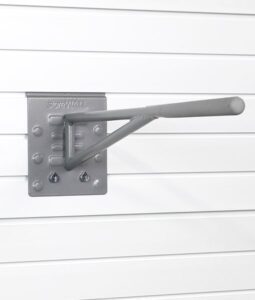
Water sports enthusiasts will love the new 635mm Surf & Paddle Board Bracket. Specifically designed to make it easier to lift and store paddle boards, surfboards, and even canoes, this bracket allows for simple access.

Key Specifications

  • Dimensions: 203mm (H) x 152mm (W) x 635mm (D)
  • Weight Capacity: Up to 90 kg (200 lbs)

Unlike previous board brackets, this new design sits flush against the wall, which means no awkward lifting or tilting is required. Simply slide your board in and out with ease.

StoreWALL Ultra Duty Paddle Board Bracket4. Ultra Duty 381mm Surf & Paddle Board Bracket
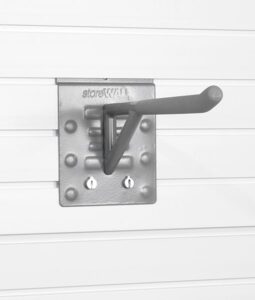
For those with smaller surfboards or paddleboards, the 381mm version of the Surf & Paddle Board Bracket is a perfect fit. It’s a more compact option for people who have limited wall space but still want the same easy access.

Key Specifications

  • Dimensions: 203mm (H) x 152mm (W) x 381mm (D)
  • Weight Capacity: Up to 90 kg (200 lbs)

This version works well in tighter garage spaces or for those with smaller boards. It offers the same flush-to-wall design as its larger sibling but with a shorter depth, making it an ideal choice for compact spaces.

ultra duty garage hookWhat Makes the Ultra Duty Garage Hook Range Unique?
The Ultra Duty Garage Hook range isn’t just bigger and stronger — it’s smarter too. These hooks feature:

  • Two CamLoks for extra security: Unlike standard hooks with a single CamLok, the Ultra Duty hooks have two. This dual lock system provides increased grip, ensuring the hook stays firmly in place even under maximum load.
  • Larger backplates for stability: The wider backplate spreads the weight more evenly, reducing pressure on any single point of the wall panel.
  • Compatible with StoreWALL Heavy Duty Wall Panels: While these hooks work with standard StoreWALL panels, we recommend pairing them with Heavy Duty Wall Panels and HD InstallStrips if you plan to load them to their full capacity of 80 kg.
Categories
Laundry storage Shelving Shoe Rack Slatwall Totes

Transform Your Laundry Room with Slatwall

A well-organized laundry room can make a world of difference in your home’s efficiency. Slatwall, a versatile and customizable wall storage system, has become an increasingly popular choice for maximizing space in laundry rooms. Here’s how you can transform your laundry room with slatwall.

What Is Slatwall?

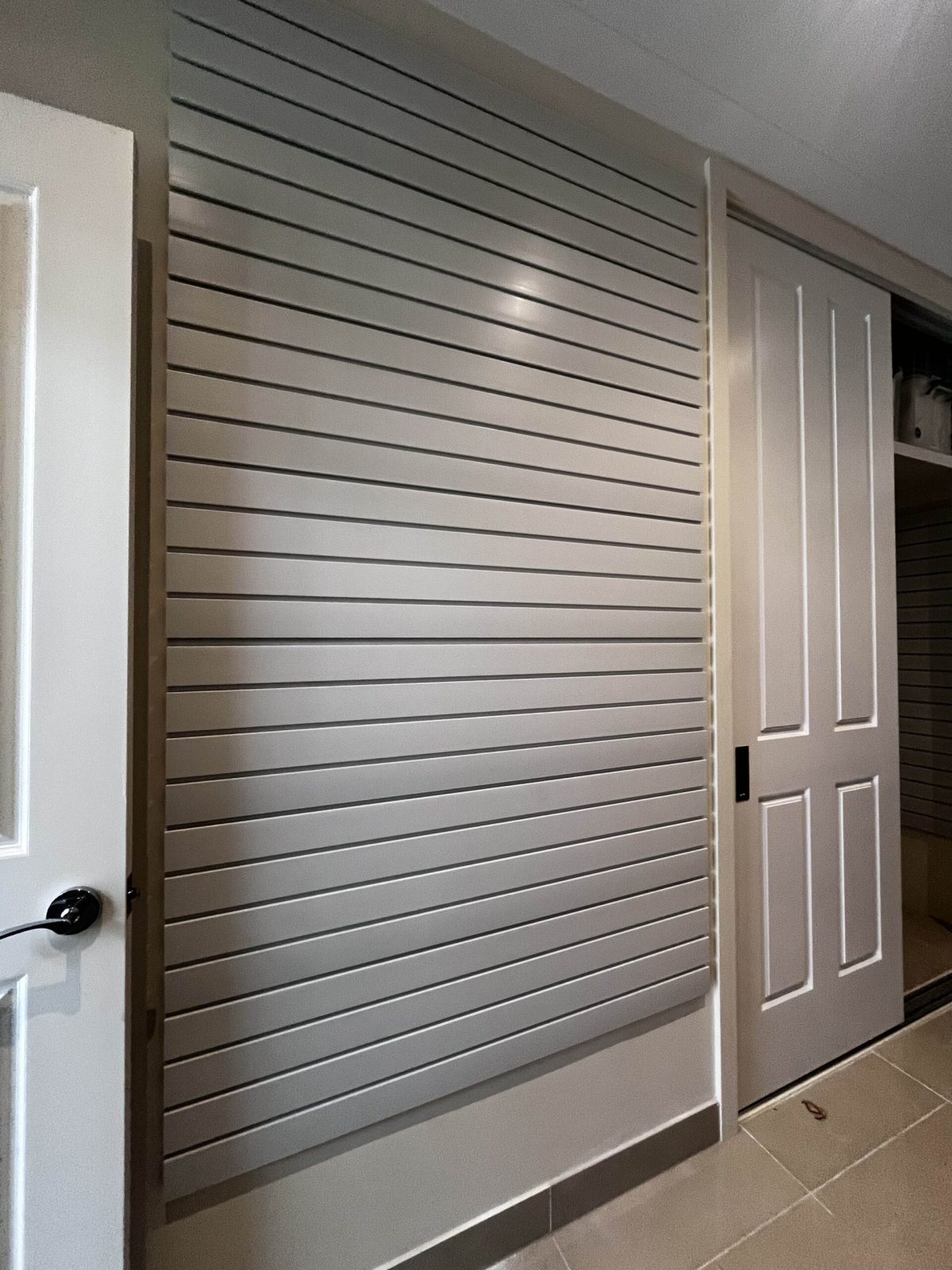
Slatwall is a wall-mounted panel system featuring horizontal grooves where hooks, shelves, and other accessories can be attached. Traditionally used in retail spaces, more and more Australian homes are now using it in their garages, workshops and even laundry.

Transform your laundry room with slatwall

  1. Maximizes Vertical Space:
    Laundry rooms are often small and cramped. Slatwall allows you to take full advantage of vertical space, keeping your floors clear and reducing clutter.
  2. Customizable Storage:
    With a variety of hooks, baskets, and shelves, you can customize your slatwall to hold cleaning supplies, detergents, ironing boards, and even hampers.
  3. Durability:
    StoreWALL’s slatwall panels are made from strong materials like PVC, capable of holding heavy items securely.
  4. Aesthetic Appeal:
    Available in various colours and finishes, slatwall blends seamlessly with your laundry room’s décor.

Transform Your Laundry Room with SlatwallHow to Use Slatwall in Your Laundry Room
  1. Organize Cleaning Supplies:
    Use hooks and small baskets to keep detergents, stain removers, and fabric softeners within easy reach.
  2. Hang Ironing Boards and Tools:
    Free up floor space by hanging your ironing board, lint rollers, and handheld steamers directly onto the slatwall.
  3. Store Laundry Baskets:
    Mount larger baskets or hampers to collect dirty laundry or hold freshly folded clothes.
  4. Designate a Drying Area:
    Add rods or hooks to hang delicates and drip-dry items, ensuring proper air circulation.
  5. Hide vacuum cleaners and extension hoses
    Use StoreWALL hooks and baskets to hang your Dyson vacuum cleaner and deep baskets to store large extension hoses for in-built vacuum system.
  6. Child-Proof Your Space:
    Keep hazardous cleaning chemicals out of reach by placing them high up on the slatwall.
  7. Fitout Laundry cupboards for extra storage space
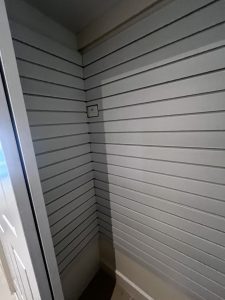
    What’s better than more cupboard space? Slatwall in your cupboard so that you can hang and store more in the confined storage space. Utilise the full height of your cupboard.

Installation Tips

  • Choose the Right Panels: For humid areas like laundry rooms, opt for moisture-resistant slatwall panels.
  • Secure Properly: Ensure the slatwall is installed on sturdy wall studs to handle heavy loads.
  • Accessorize Smartly: Use compatible accessories designed for your specific slatwall system.

Why Slatwall Is a Game-Changer

By integrating slatwall into your laundry room, you’ll create a cleaner, more functional space. It’s a small investment that yields significant benefits in terms of organization and convenience.

Get Started Today

Whether you have a small nook or a spacious laundry area, slatwall can help you make the most of your space. For premium slatwall solutions, check out StoreWALL and discover a range of high-quality panels and accessories designed to simplify your laundry experience.

Categories
Essential Skills garage design garage makeover Installation Slatwall

Essential Skills for Installing Slatwall

Installing StoreWALL panels is a straightforward process, but having the right skills will make the job much easier and ensure a professional finish. Whether you’re a DIY enthusiast or a tradesperson, understanding the necessary skills will help you achieve a secure and seamless installation. Below, we outline the essential skills for installing slatwall in your home garage or workplace.

Basic Measuring and Marking

Accurate measurements are crucial for a precise installation. You’ll need to:

  • Measure wall dimensions to determine the number of panels required. This is something we can assist you with, you can also utilise our StoreWALL Estimator.
  • Mark stud locations, or if a brick wall, where the wall anchors will be placed to ensure proper support.
  • Use a level to align panels correctly and avoid misalignment.

    Stud Finding and Wall Preparation

    Understanding your wall type is essential for proper anchoring. Skills include:

    • Using a stud finder to locate wall studs (for drywall installations).
    • Identifying wall materials such as concrete, brick, or plasterboard.
    • Cleaning and prepping the wall surface for installation.

Drilling and Fastening – Essential skills for installing slatwall

Proper attachment of panels requires knowledge of drilling and fastening:

  • Drilling pilot holes into studs or using wall anchors when necessary.
  • Selecting the right screws and fasteners for different wall materials. We can assist you with this and sell all the right fasteners.
  • Using a power drill, impact driver, or hammer drill efficiently.

Cutting Panels to Size

In some cases, you may need to cut StoreWALL panels to fit specific areas:

  • Using a circular saw, drop saw, jigsaw, or multi-tool for clean cuts.
  • Measuring and marking cut lines before cutting.
  • Panels can be sent to you pre-cut to assist you. Please advise what you require.

Aligning and Securing Panels – Essential skills for installing slatwall

Proper alignment ensures a seamless look and solid attachment:

  • Positioning panels correctly before fastening.
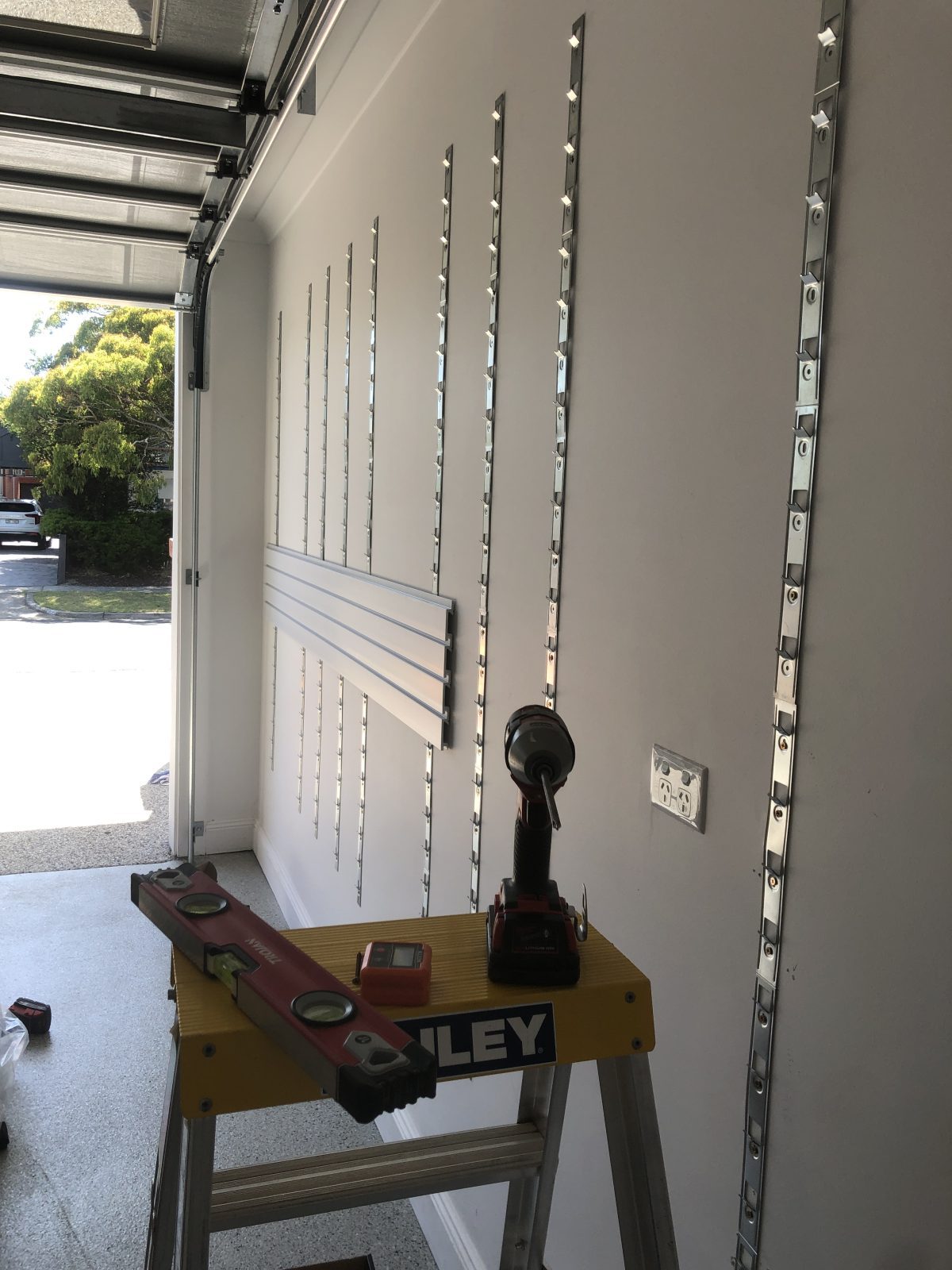
  • Ensuring the panels interlock securely. StoreWALL panels are hung into the installstrips. Panels are stacked one on to of the other using the installstrips and connect using a tongue and groove system.
  • Checking for level and adjusting as needed.

Essential Skills for Installing SlatwallHandling Electrical Outlets and Obstacles

If your wall has electrical outlets, switches, or other obstacles, you should:

  • Turn off power before making modifications.
  • Measure and cut around outlets carefully.
  • Use a hole saw, multi-tool or jigsaw to create precise openings.

Finishing Touches and Accessories Installation

Once panels are in place, you may need to:

  • Install trim or edging for a polished look.
  • Attach StoreWALL accessories like hooks, shelves, or baskets.
  • Inspect and adjust panels for any gaps or misalignment.

Recommended Tradespeople for Installation

If you prefer professional installation, the following tradespeople are well-suited for the job:

  • Carpenters – Skilled in wall paneling and fastening, ensuring a secure fit.
  • Handymen – Experienced with general wall installations and can handle most tasks.

Final Thoughts

Installing StoreWALL is a manageable project with the right skills and tools. Whether you’re installing in a garage, workshop, or retail space, having a good grasp of these essential skills will ensure a secure and professional-looking result. If you’re unsure about any steps, please give us a call and we can talk you through how the installation can be managed or who the right installer should be for your project.

Are you ready to install StoreWALL in your space? Explore our range of panels and accessories to get started today!

Categories
Best Garage Storage Solutions for 2024 garage design Garage Ideas garage makeover Garage Storage On TV MKE Slatwall

A New Standard in Modern Slatwall Design


MKE Slatwall Launches in Australia

The demand for modern slatwall and premium storage solutions in Australia continues to grow — not just in garages, but across homes, commercial spaces, and architectural interiors. To meet this demand, we’re excited to announce the official launch of MKE Slatwall in Australia.

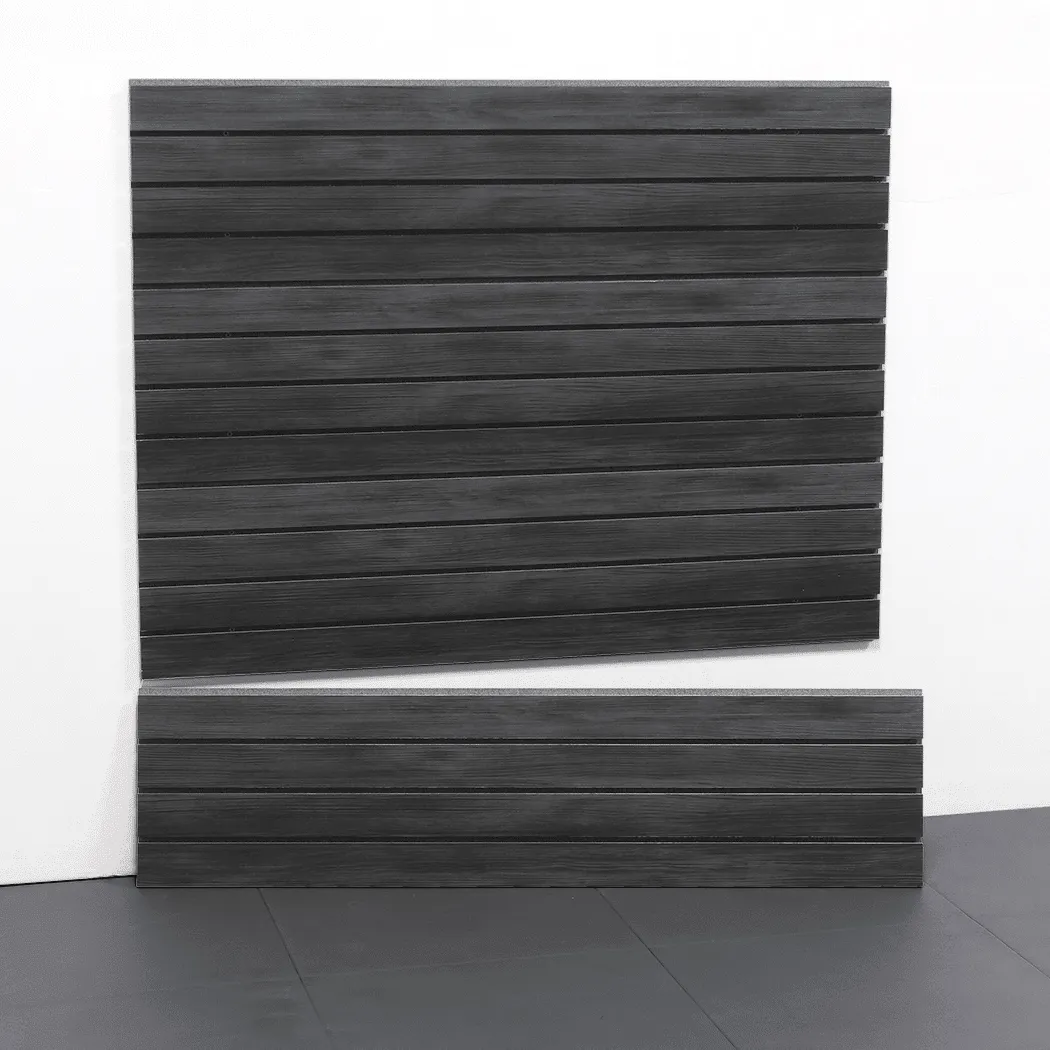
Designed with aesthetics, strength, and versatility in mind, MKE Slatwall introduces a refined approach to wall storage, including highly sought-after wood grain slatwall finishes that elevate both residential and commercial spaces.

What Is MKE Slatwall?

MKE Slatwall is a high-performance wall panel storage system engineered for strength, flexibility, and clean modern design. Unlike traditional slatwall systems that are purely functional, MKE combines architectural finishes with heavy-duty performance.

This makes it ideal for:

  • Modern garages
  • Workshops and studios
  • Retail and display environments
  • Home storage spaces where design matters

Wood Grain Slatwall: Storage That Looks Like Furniture

One of the standout features of the MKE range is its wood grain slatwall finish. This option is designed for homeowners and designers who want organised storage without the industrial look.

Benefits of Wood Grain Slatwall

  • Warm, natural timber-style appearance
  • Ideal for modern homes and high-end garages
  • Blends seamlessly with cabinetry and interior finishes
  • Provides the strength of engineered slatwall with a premium aesthetic

Wood grain slatwall is perfect for spaces where the garage is visible from the home, or where storage is part of the design — not something to hide.

Modern Slatwall for Contemporary Spaces

Minimalist design is no longer limited to living areas. Today’s homeowners want modern slatwall solutions that match the rest of their home.

MKE Slatwall delivers:

  • Clean lines and concealed fixing systems
  • Contemporary finishes to suit modern architecture
  • A streamlined look without visible brackets or clutter

This makes it ideal for:

  • New builds
  • Renovations
  • Designer garages
  • Commercial fit-outs

Built for Strength and Everyday Use

While MKE Slatwall looks refined, it’s built for serious performance.

Key Performance Features

  • Heavy-duty slatwall panels designed for high load capacity
  • Compatible with a wide range of hooks, shelves, and accessories
  • Locking accessory mechanisms to minimise movement
  • Designed for long-term use in demanding environments

Whether storing tools, sports equipment, or display items, MKE Slatwall is engineered to handle real-world use.

Flexible, Modular Storage That Evolves With You

One of the biggest advantages of MKE Slatwall is its modular design. Accessories can be repositioned easily without re-drilling or damaging walls.

This flexibility allows you to:

  • Adapt layouts as storage needs change
  • Add new accessories over time
  • Keep walls clean and undamaged

It’s a future-proof storage solution — especially important for new homes and growing households.

Why MKE Slatwall Is Ideal for Australia

Australian homes increasingly demand storage systems that are:

  • Strong
  • Visually appealing
  • Space efficient

MKE Slatwall meets these needs by combining European-inspired design with durability suited to Australian garages, workshops, and commercial spaces.

With both wood grain slatwall and modern slatwall finishes available, MKE offers options that suit a wide range of styles and applications.

Applications for MKE Slatwall

MKE Slatwall is suitable for:

  • Premium garage storage
  • Home workshops
  • Retail displays
  • Utility rooms
  • Commercial and industrial spaces

Its clean appearance and load-bearing capability make it one of the most versatile slatwall systems now available in Australia.

Launching Now in Australia

MKE Slatwall is now available in Australia, bringing a new level of design and performance to wall storage systems. Whether you’re looking for a wood grain slatwall to complement your home or a modern slatwall for a clean, minimalist space, MKE offers a premium solution built to last.
whitewood slatwall
We have introduced two wall panels finishes:

  • Blackwood
  • Whitewood

Storage no longer needs to look industrial or temporary. With MKE Slatwall, functionality meets design — delivering a system that organises, enhances, and elevates any space.

If you’re planning a new build, renovation, or workspace upgrade, MKE Slatwall sets a new benchmark for modern wall storage in Australia.

Categories
garage design Mould in Garage Pegboard

Why Cheap Pegboards Are Not Worth Buying

When it comes to organizing your workspace, garage, or retail display, pegboards seem like a simple and cost-effective solution. However, many people fall into the trap of buying cheap pegboards only to regret their decision later. While the initial cost may be low, poor-quality pegboards often lead to frustration, frequent replacements, and unexpected expenses. In this article, we’ll explore the key reasons why cheap pegboards are not worth buying and why investing in a durable storage system like StoreWALL is a smarter choice.

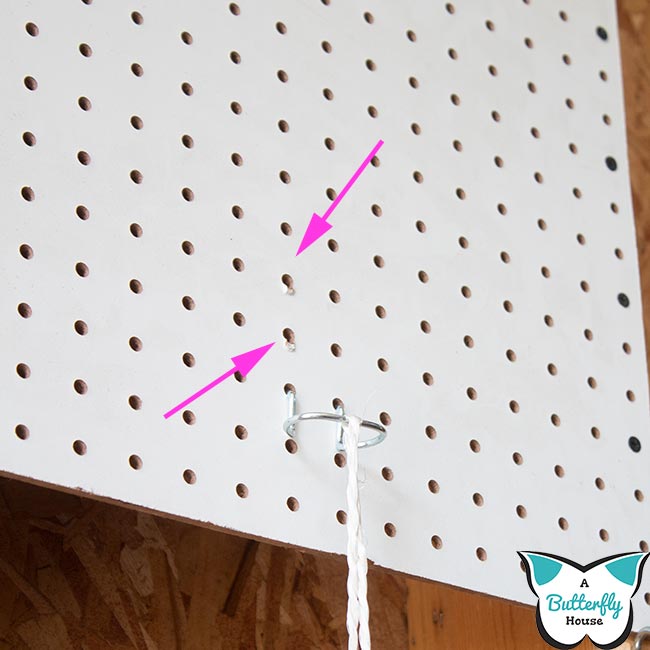
cheap pegboards

Weak Materials and Poor Durability

Cheap pegboards are often made from low-quality particleboard, thin MDF, or flimsy plastic, which can’t withstand heavy use. Over time, these materials tend to:

  • Warp or sag, especially in humid environments like garages or basements.
  • Crack under weight, leading to damaged tools or accessories.
  • Lose grip strength, causing hooks and attachments to fall out unexpectedly.

A weak pegboard doesn’t just reduce its usefulness—it also creates safety hazards as heavy tools or equipment may fall unexpectedly.

Limited Weight Capacity

One of the biggest drawbacks of cheap pegboards is their low weight-bearing capacity. Many budget-friendly pegboards can only support lightweight items, making them unsuitable for storing tools, sports gear, or other heavy objects. If you attempt to hang heavier items:

  • The pegboard may buckle or tear over time.
  • Hooks may pull out of the board, dropping items onto the floor.
  • The entire board may detach from the wall, especially if not properly installed.

For anyone needing a reliable and sturdy storage solution, investing in a heavy-duty wall panel system like StoreWALL is a far better option.

Hooks and Accessories Fall Out Easily

A common complaint with cheap pegboards is that hooks and accessories don’t stay in place. Since budget pegboards often feature poorly cut holes or low-quality finishes, hooks tend to:

  • Wobble and shift, making it hard to keep items securely in place.
  • Fall out when retrieving items, leading to constant frustration.
  • Require additional clips or adhesives, which add unnecessary costs and hassle.

StoreWALL, on the other hand, features a secure locking system that ensures hooks and accessories stay in place, eliminating these issues.

Susceptibility to Moisture and Damage

Many cheap pegboards are made from particleboard or MDF, materials that are highly sensitive to moisture. This makes them unsuitable for environments like:

  • Garages – where humidity and temperature changes are common.
  • Basements – where moisture exposure can cause swelling and warping.
  • Workshops – where dust, spills, and rough handling can degrade the board quickly.

StoreWALL panels, in contrast, are made from waterproof and impact-resistant materials, making them ideal for long-term use in various environments.

Poor Aesthetic and Long-Term Value

While a cheap pegboard may look fine when first installed, it often ages poorly. Over time, you may notice:

  • Peeling or chipping paint from hooks being inserted and removed.
  • Dirty or stained surfaces that are difficult to clean.
  • Warping and bending, making the board look uneven and worn.

This results in a cluttered and unprofessional appearance, making your workspace or garage look messy instead of organized.

The Hidden Costs of Replacement and Repairs

While a cheap pegboard might seem like a bargain upfront, it often leads to higher costs in the long run due to:

  • Frequent replacements when the board warps, cracks, or breaks.
  • Additional accessories or modifications needed to keep hooks secure.
  • Time and effort wasted reinstalling and repairing the system.

Instead of constantly dealing with these issues, investing in a high-quality, durable storage system like StoreWALL saves money and hassle in the long term.

Why StoreWALL is a Better Alternative

If you’re looking for a storage system that is built to last, StoreWALL offers the perfect solution. Here’s why:

  • Heavy-duty materials – Impact-resistant and waterproof for long-term durability.
  • Superior weight capacity – Supports heavier items without sagging or breaking.
  • Secure locking system – Accessories stay in place, eliminating frustration.
  • Modular and adaptable – Easy to expand or reconfigure as storage needs change.

Final Thoughts

This article has focused on why cheap pegboards are not worth buying. While cheap pegboards may seem like a cost-effective solution at first, their poor durability, low weight capacity, and susceptibility to damage make them a poor long-term investment. Instead, choosing a high-quality storage solution like StoreWALL provides a reliable, long-lasting, and hassle-free way to keep your space organized.

Categories
Black Slatwall Brick Walls garage design Garage Ideas garage makeover Man Cave

30 Years of Garage Location Trends

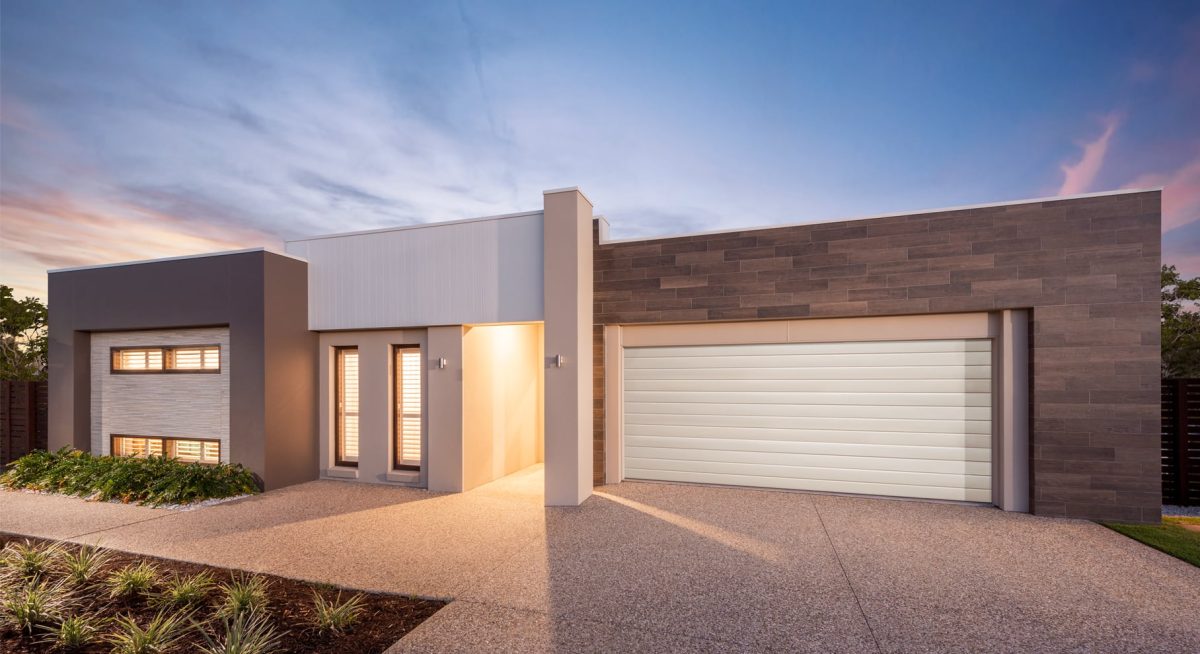
The garage is more than just a space to park your car—it’s a reflection of how we live, what we value, and how residential design has evolved. Over the past three decades, the position and prominence of garages on homes have shifted significantly, shaped by urban development patterns, lifestyle needs, and design aesthetics. We explore 30 years of garage location trends and what it says about how we live today.

1990s: Front and Center

In the 1990s, suburban expansion was in full swing. As more families moved into tract-style homes in planned communities, garages became a dominant feature—often located at the front of the house, facing the street.

Key Characteristics:

  • Double or triple garage doors were a focal point of the home’s facade.
  • Garage doors were often prominent and unadorned, prioritizing function over form.
  • This design catered to families with multiple vehicles, and commuting was a daily necessity.

Why It Worked Then:

  • Developers aimed for efficiency and affordability—placing the garage at the front reduced driveway length and allowed smaller lot sizes.
  • The garage became an extension of the front yard, often used for storage, home projects, or informal entry.
30 Years of Garage Location Trends

2000s: Garage as a Lifestyle Hub

As homes grew larger in the early 2000s, so did the garages. The garage was still front-facing in most suburban neighborhoods, but the trend began to shift toward more integrated designs.

Key Trends:

  • Three-car garages became more common, often arranged in L- or tandem layouts.
  • Builders began to hide garages slightly behind the main front elevation, sometimes offset or recessed.
  • Homes included mudrooms or laundry rooms between the garage and the interior, reflecting its role as the main entry point for families.

The Lifestyle Factor:

  • The garage became not just for parking, but a multifunctional space—used for fitness equipment, hobby workspaces, or even secondary living areas.

2010s: De-emphasizing the Garage

In the 2010s, design-conscious homeowners and architects began pushing back against garages dominating curb appeal. The modern homeowner wanted cleaner aesthetics, better street presence, and more usable outdoor space.

Design Shifts:

  • In urban infill and townhome developments, garages were often moved to the rear of the home and accessed via alleyways.
  • In custom homes or high-end developments, garages were placed side-facing or hidden behind landscaping or architectural features.
  • There was a growing focus on garage door design, with materials and styles selected to complement the overall home.

Driving Forces:

  • Walkability and streetscape appeal became more important.
  • The rise of alternative transportation (biking, ride-shares) made large garages less essential in some urban areas.
  • Storage systems and organization tools like slatwall panels and overhead racks became popular, helping homeowners maximize garage functionality.
30 Years of Garage Location Trends

2020s: Flexibility, Function, and Hidden Design

Today, garage design is all about blending form with function. While many homes still feature front-facing garages, there’s a clear move toward less visual dominance and greater functional flexibility.

Current Trends:

  • Detached garages are making a comeback in some markets, offering space for ADUs (accessory dwelling units) or home offices above.
  • Side-entry and rear-facing garages are favored for upscale homes.
  • Integrated garages with seamless interior transitions and smart storage are in high demand.
  • Garages are increasingly being built with EV charging stations, insulated doors, and climate control.

Cultural and Technological Influence:

  • The rise of remote work and home-based businesses has transformed garages into workshops, studios, and gyms.
  • Design software and 3D modeling tools allow homeowners to better visualize and customize garage layouts.
  • Sustainability and energy efficiency are influencing the materials and positioning of garage spaces.

Why This Evolution Matters

The changing location and role of the garage reflect deeper shifts in how we live:

  • A move toward intentional design
  • Increased focus on curb appeal and community aesthetics
  • A broader view of the garage as a versatile, integral space

As we continue to rethink how our homes function in a digital, mobile, and flexible world, the garage is evolving right alongside us.

30 Years of Garage Location Trends

30 Years of Garage Location Trends – The Future

Over the past 30 years, garages have moved from front-facing functional spaces to discreet, flexible extensions of the home. Whether it’s for storing a vehicle, working on a passion project, or charging your electric car, the garage’s role is no longer one-dimensional.

As homeowners continue to demand more from their living spaces, expect garage design—and location—to keep evolving in creative and thoughtful ways.