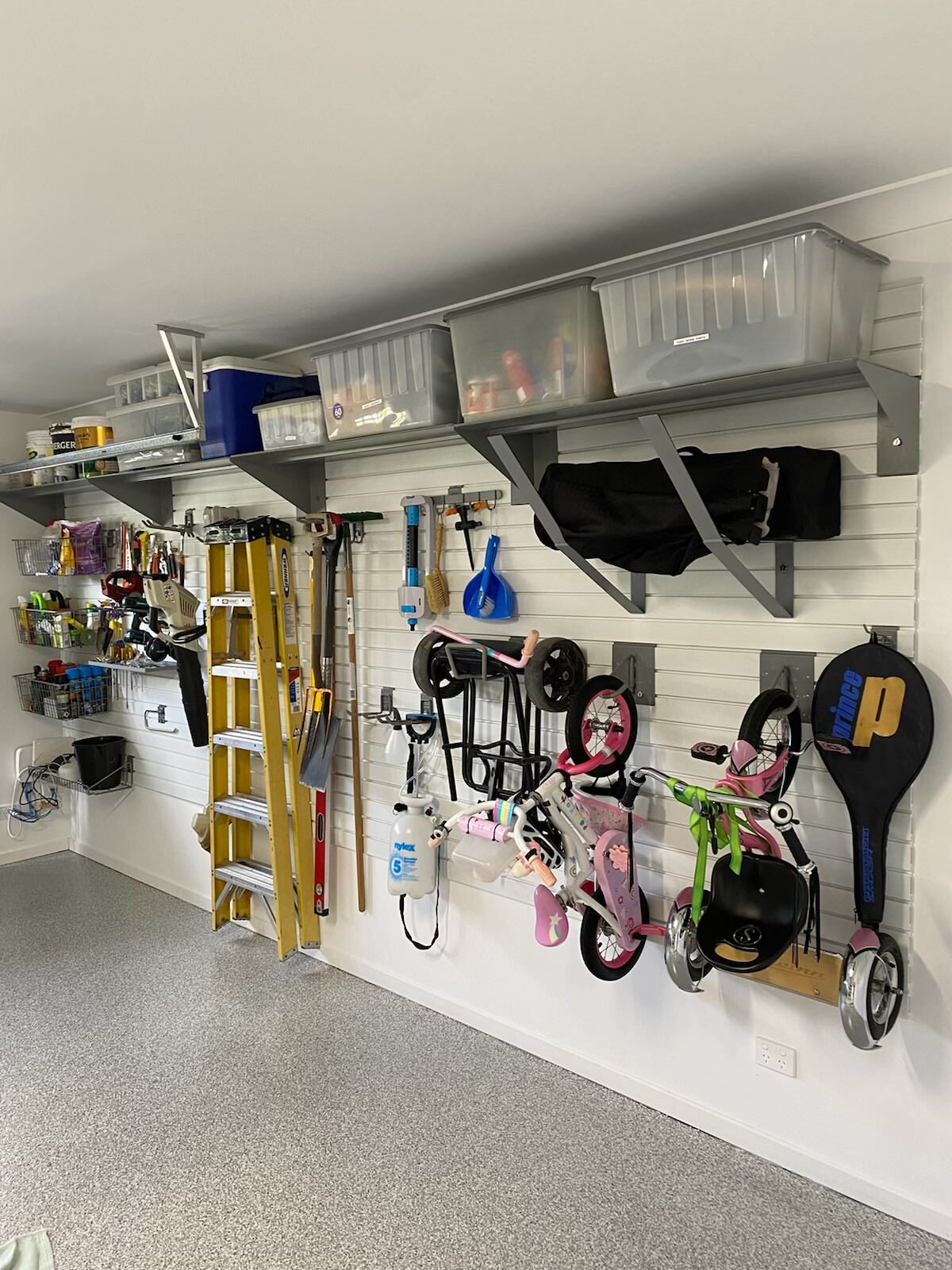
When installing shelves, it’s essential to understand how to manage the weight they will hold to prevent damage or accidents. Here’s a guide on how to effectively manage weight on your shelves and how brackets contribute to their stability.
Understanding Shelf Load Capacity
The load capacity of a shelf refers to the maximum weight it can safely support without bowing, sagging, or breaking. This capacity depends on factors such as the material that the floating shelf is made of, its thickness, length, and the quality of the brackets used for support. Overloading a shelf can cause it to warp, detach from the wall, or collapse entirely, posing safety risks and potential damage to your belongings.
Distributing Weight Evenly
To maximize the shelf’s durability, distribute weight evenly across its surface. Place heavier items closer to the wall or directly above the brackets, where the shelf is strongest. Lighter items should be positioned toward the front or on the ends. This approach minimizes stress on the shelf and prevents it from tipping or sagging.
The Importance of Brackets in Shelf Support
Brackets play a critical role in supporting a shelf’s weight. They are the primary means of transferring the load from the shelf to the wall. The number, size, and spacing of brackets directly affect how much weight a shelf can handle:
Number of Brackets:The longer the shelf, the more brackets it will need. For example, a shelf up to 1.2 meters typically requires two brackets, while a 1.8-meter shelf requires three. Adding more brackets reduces the span of unsupported shelf length, thereby increasing the weight it can bear.
Bracket Size and Material:Larger, sturdier brackets provide better support and can hold more weight. Choose brackets that match the depth of your shelf and are made of strong materials, such as metal, to ensure durability.
Spacing Between Brackets:Brackets should be spaced evenly to distribute weight efficiently. For heavier loads, reduce the spacing between brackets to increase support. A good rule of thumb is to place brackets no more than 60 cm apart.
Recognizing Signs of Overloading
Signs that your shelf may be overloaded include bowing or sagging in the middle, the shelf pulling away from the wall, or cracking sounds from the brackets or shelf material. If you notice any of these signs, reduce the load immediately and consider adding more brackets for reinforcement.
Examples of incorrect spacing, 2 or 3 brackets over 2.4m
Choosing the Right Wall Anchors
The effectiveness of your brackets also depends on the wall anchors used. Anchors should be appropriate for the wall type (drywall, plaster, brick, etc.) and strong enough to handle the combined weight of the shelf and its contents. Heavy-duty anchors, such as toggle bolts or molly bolts, are recommended for heavier loads.
Regular Maintenance and Safety Checks
Periodically check your shelves and brackets for signs of wear, damage, or loosening. Tighten any loose screws, replace damaged brackets, and ensure the shelf remains level and secure. Regular maintenance helps prevent accidents and prolongs the life of your storage solution.
Proper weight management on shelves and the strategic use of brackets is crucial for creating safe and functional storage spaces. By understanding load capacity, distributing weight evenly, and choosing the right brackets and anchors, you can maximize the utility of your shelves while ensuring they remain secure and stable.
When it comes to organizing your garage, adding a few shelves might seem like the easiest solution. While shelves certainly have their place, relying on shelving alone for garage storage can leave you with limited flexibility, wasted space, and ongoing organization challenges. In this article, we’ll explore the limitations of garage shelving, and what alternatives or additions you might consider to truly maximize your garage storage.
Limitations of Garage Shelving
Garage shelving provides some utility, but it often falls short in addressing the diverse storage needs of a garage. Here are some of the limitations that can arise:
Wasted Vertical Space
Standard garage shelving typically leaves a significant amount of vertical space unused. This space could otherwise be used for storing tools, equipment, or seasonal items. Without utilizing the full height of your walls, you may find yourself quickly running out of space and struggling to keep everything accessible.
Difficulty Organizing Small and Medium-Sized Items
Shelves are best suited for large, stackable items or bins, but they can make it difficult to store small and medium-sized items efficiently. When stored on open shelves, items like tools, sports equipment, or cleaning supplies can quickly create clutter and become hard to locate when you need them.
Limited Flexibility
Once installed, traditional shelves can be hard to adjust or reorganize, especially if you’re dealing with fixed or heavy-duty shelving units. Garages often require adaptable storage options that can change with your needs, and shelving alone doesn’t always offer this flexibility.
Risk of Clutter and Accessibility Issues
Shelving alone encourages stacking items, which can lead to clutter, making it difficult to access what’s stored in the back. As shelves fill up, it’s easy for items to become piled or hidden, which not only makes organization harder but can also increase the risk of items falling and causing damage.
Underutilized Wall and Ceiling Space
Shelving takes up valuable floor space while leaving the walls and ceiling areas largely unused. This is a missed opportunity, especially in garages where space is at a premium. Ceiling racks, wall panels, or other modular solutions can make better use of these areas and free up floor space for other uses.
Alternative and Complementary Storage Solutions
To make the most of your garage storage, it’s worth exploring other storage options that can work alongside shelving to create a more comprehensive and efficient setup.
Slatwall and Wall Panel Systems
Slatwall systems, like those fromStoreWALL, are versatile garage wall storage solutions that allow you to hang hooks, shelves, baskets, and brackets. Unlike traditional shelving, these panels make it easy to store items of varying sizes, such as tools, sporting goods, and gardening supplies. Wall panels allow you to use your walls effectively, keep items accessible, and prevent clutter on shelves.
Pegboards and Tool Racks
Pegboards and tool racks provide customizable storage for smaller and lighter items. By mounting them on the wall, you keep your tools organized and within reach, while also freeing up valuable shelf space for larger, bulkier items.
Overhead Storage
Overhead racks or ceiling storage solutions are ideal for items that aren’t needed regularly, such as seasonal decor, camping gear, or spare tires. By using the ceiling space, you maximize storage without taking up floor or wall space. Overhead storage keeps these items safe, organized, and out of the way until they’re needed.
Cabinets and Drawer Units
Cabinets and drawer units offer enclosed storage, which helps reduce dust accumulation and keeps items hidden for a tidier look. Cabinets can house a variety of items that don’t need to be on display, and drawer units work particularly well for storing smaller tools, hardware, or crafting supplies. Additionally, locking cabinets can be useful for securing chemicals, paints, and other hazardous materials safely out of reach.
Bins, Baskets, and Specialized Holders
Adding bins, baskets, and specialized holders (e.g., for sports equipment or gardening tools) can help you organize items that are hard to store on shelves alone. Labelled storage bins allow you to categorize items for easy access, while baskets can hold oddly shaped items like balls, hoses, or extension cords. These can be attached to wall panels or placed on shelves in an organized manner.
Benefits of a Mixed Storage System
Incorporating a variety of storage options in your garage enables you to overcome some of the limitations of garage shelving.
Increased Space Efficiency
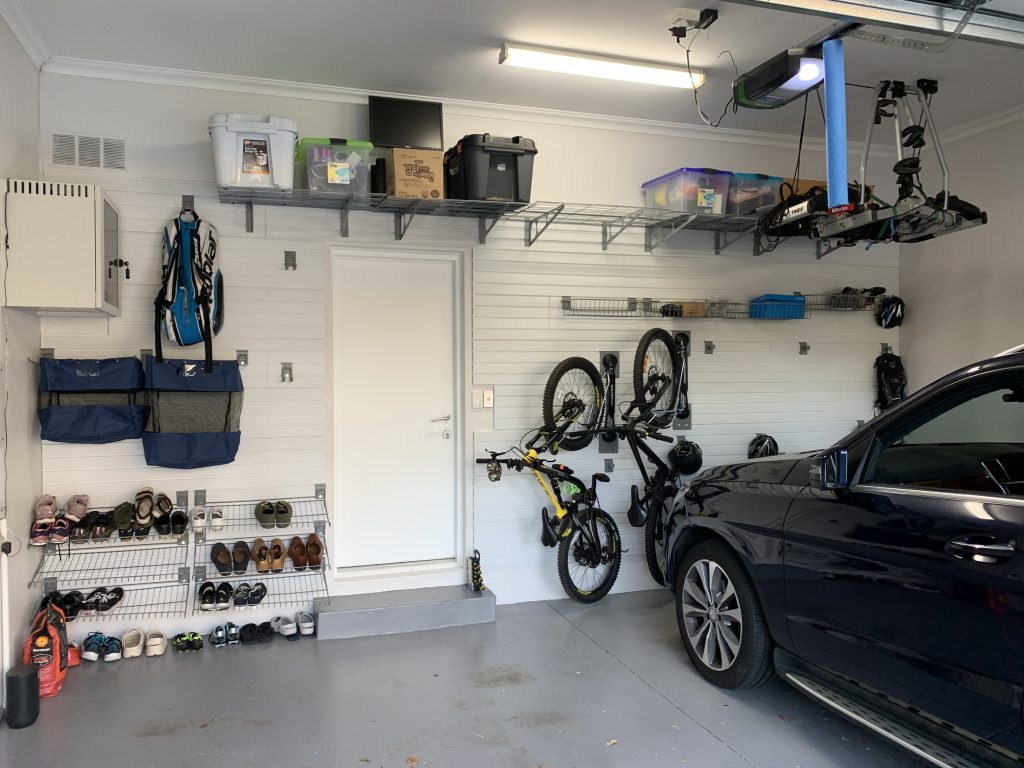
By utilizing the walls and ceiling alongside shelving, you can dramatically increase your available storage without sacrificing floor space. Combining shelving with slatwall, overhead storage, and cabinets ensures every inch of the garage is working for you.
Better Organization and Accessibility
A mixed storage system allows you to assign specific places for each type of item, so they’re easy to find and access when needed. You can store frequently used items within reach and keep seldom-used items out of the way.
Improved Safety and Clutter Reduction
A well-organized garage reduces the risk of accidents caused by items falling off overcrowded shelves. Hazardous materials can be safely locked away, and bulky or heavy items can be securely stored on racks or in cabinets, making the space safer for family members.
Enhanced Flexibility for Changing Needs
As your storage needs evolve, a versatile system that includes slatwalls, pegboards, and ceiling storage can adapt with you. You can reconfigure your setup to accommodate new tools, equipment, or seasonal items without a complete overhaul.
Getting Started: Creating a Balanced Storage Plan
To get the most out of your garage, start by assessing your storage needs:
Identify What You Need to Store
Make a list of the items you currently store in your garage and those you’d like to add. This helps you determine the types and sizes of storage solutions you’ll need.
Map Out Your Space
Measure your garage and sketch a rough layout, marking where you could install shelving, wall panels, ceiling racks, and cabinets. Aim to balance storage across floor, wall, and ceiling areas to avoid overcrowding any one area.
Choose a Combination of Storage Solutions
Based on your list and layout, choose a combination of storage options to fit your needs. If you have many small items, prioritize pegboards or slatwall with baskets. For larger items, consider overhead racks or dedicated shelving.
Install and Organize
Start by installing the more permanent fixtures, such as slatwall or ceiling racks, before adding smaller storage accessories. Once everything is in place, arrange your items in a logical, accessible way to ensure easy access and organization.
Conclusion – Limitations of Garage Shelving
While garage shelving is a useful storage tool, relying on it alone can limit your options and lead to a cluttered, inefficient space. By combining shelving with wall-mounted systems, ceiling racks, cabinets, and specialized storage accessories, you can create a well-organized and highly efficient garage that meets all your storage needs.
ExploreStoreWALLfor high-quality slatwall solutions, hooks, baskets, and other accessories that will take your garage organization to the next level. With a thoughtfully designed setup, your garage can become a clean, accessible, and functional space tailored to you.
In the world of wall storage solutions, slatwall systems are a popular choice for both residential and commercial use. Two primary materials used in slatwall systems are PVC (Polyvinyl Chloride) and MDF (Medium Density Fiberboard). This article provides an in-depth comparison of PVC vs MDF slatwall, examining their characteristics, benefits, and applications to help you make an informed decision.
Material Composition and Properties
PVC Slatwall:
Composition: Made from polyvinyl chloride, a type of plastic known for its durability and resistance to moisture.
Properties: Lightweight, waterproof, and resistant to mold and mildew. It can be easily cleaned and maintained.
Aesthetics: Available in various colors and finishes, often designed to mimic wood grain or other textures.
MDF Slatwall:
Composition: Made from wood fibers bonded with resin under heat and pressure.
Properties: Heavier than PVC, with a solid, dense structure. It is susceptible to moisture and may swell or warp if not properly sealed.
Aesthetics: Typically comes in a smooth, painted finish, but can also be laminated or veneered to achieve different looks.
PVC vs MDF Slatwall – Durability and Strength
PVC Slatwall:
Durability: Highly durable and resistant to impacts, scratches, and chemicals.
Load Capacity: Generally supports lighter to moderate loads, depending on the thickness and quality of the PVC.
MDF Slatwall:
Durability: Strong and capable of supporting heavier loads. However, it is less resistant to physical damage and moisture compared to PVC.
Load Capacity: Typically higher than PVC, making it suitable for heavier items when properly installed.
Installation and Maintenance
PVC Slatwall:
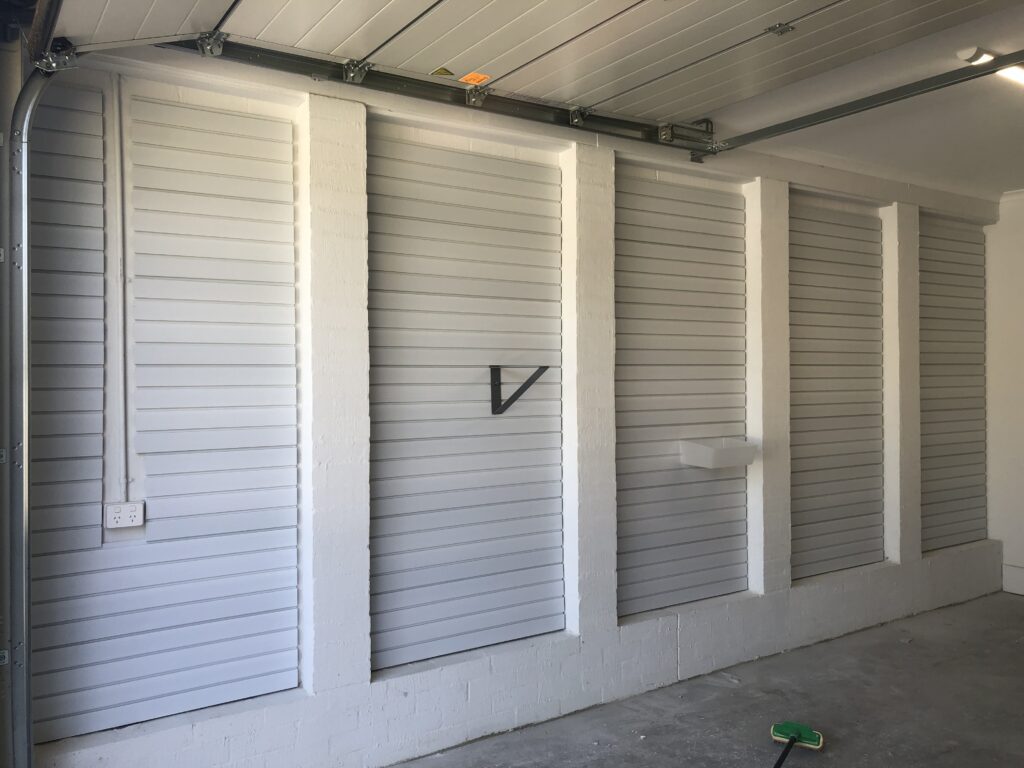
Installation: Easier to handle and install due to its lightweight nature. Often features interlocking panels for seamless installation. Can be easily cut to manage powerpoints and garage door brackets. The use of Installstrips makes installation less complicated and safer, delivery a very strong, robust garage storage system.
Maintenance: Low maintenance, requiring only occasional cleaning with mild soap and water.
MDF Slatwall:
Installation: Heavier and more challenging to install, requiring more robust mounting hardware and support structures. Panels are typically larger and heavier to carry, hold, and fasten to the wall.
Maintenance: Requires careful maintenance to avoid moisture exposure. Can be painted or refinished if scratched or damaged.
Cost and Affordability – PVC vs MDF Slatwall
PVC Slatwall:
Cost: Generally more expensive than MDF due to the manufacturing process and material properties. Installstrips can add to the price of the solution.
Long-Term Value: Offers long-term value due to its durability and low maintenance requirements. Will last over 10 years. Installstrips are galvanised eliminating rust.
MDF Slatwall:
Cost: More affordable upfront but may incur additional costs for sealing and maintenance over time.
Long-Term Value: Can be a cost-effective solution for dry environments where moisture exposure is not a concern.
Environmental Considerations
PVC Slatwall:
Environmental Impact: Made from plastic, which raises concerns about sustainability and recyclability. However, some manufacturers use recycled PVC in their products. StoreWALL wall panels are 100% Recyclable – Class 3 recyclable.
MDF Slatwall:
Environmental Impact: Made from wood fibers, which are a renewable resource. However, the production process involves the use of formaldehyde-based resins.
Recyclability: Can be recycled, but the presence of adhesives and finishes may complicate the process.
Applications and Use Cases
PVC Slatwall:
Best For: Environments where moisture and humidity are concerns, such as garages, basements, and retail spaces.
Common Uses: Ideal for organizing tools, sports equipment, and retail displays.
MDF Slatwall:
Best For: Indoor environments with controlled humidity, such as retail stores, showrooms, and home offices.
Common Uses: Suitable for displaying merchandise, organizing household items, and creating decorative wall features.
Conclusion – PVC vs MDF Slatwall
Choosing between PVC and MDF slatwall depends on your specific needs and environment. PVC slatwall offers superior moisture resistance, durability, and ease of maintenance, making it ideal for high-humidity areas and heavy-duty applications. By understanding the key differences and advantages of each material, you can select the slatwall system that best suits your storage and organizational needs.
Building a wooden bench for your garage can be a rewarding DIY project that not only enhances your workspace but also provides a sturdy and functional piece of furniture. Whether you need a place to sit while working on projects or a surface to hold tools and materials, a wooden bench can be a versatile addition to any garage. Here’s a detailed guide on how to build a DIY Garage Wooden Workbench.
The first step is to review the space you have and determine the size of bench you need that can fit in the space available. You may determine that a 1.8m long bench is big enough for you. The height and depth of the bench are additional considerations. Most benches in your home will 900mm high. When determining your bench, you might want to also decide on the benchtop surface you want to use. If it’s MDF or some form of chipboard, picking a pre-cut size available from your hardware store will save you a lot of time.
Materials Needed:
Wood: Make sure your timber is straight. Using old timber to save some money is a great idea, but it has twisted or is a bow in it, you don’t want it. Buy some framing pine from your local store. 90mm x 45mm studs are ideal.
Screws: You will require large screws to hold the frame together and smaller screws to secure the benchtop to the frame. For the frame, I recommend something like 14g 75mm Bugle Screws. 2 ½ inch wood screws.
Glue: Wood glue for extra bond. This is optional.
Sandpaper: Various grits for smoothing.
Finish: Paint, stain, or sealant depending on your preference.
Tools Required:
Saw: Circular saw or handsaw.
Drill: With drill bits.
Measuring tape.
Square.
Clamps: To hold wood in place as you work.
Paintbrush or roller (if applying finish).
Instructions for your DIY Garage Wooden Workbench
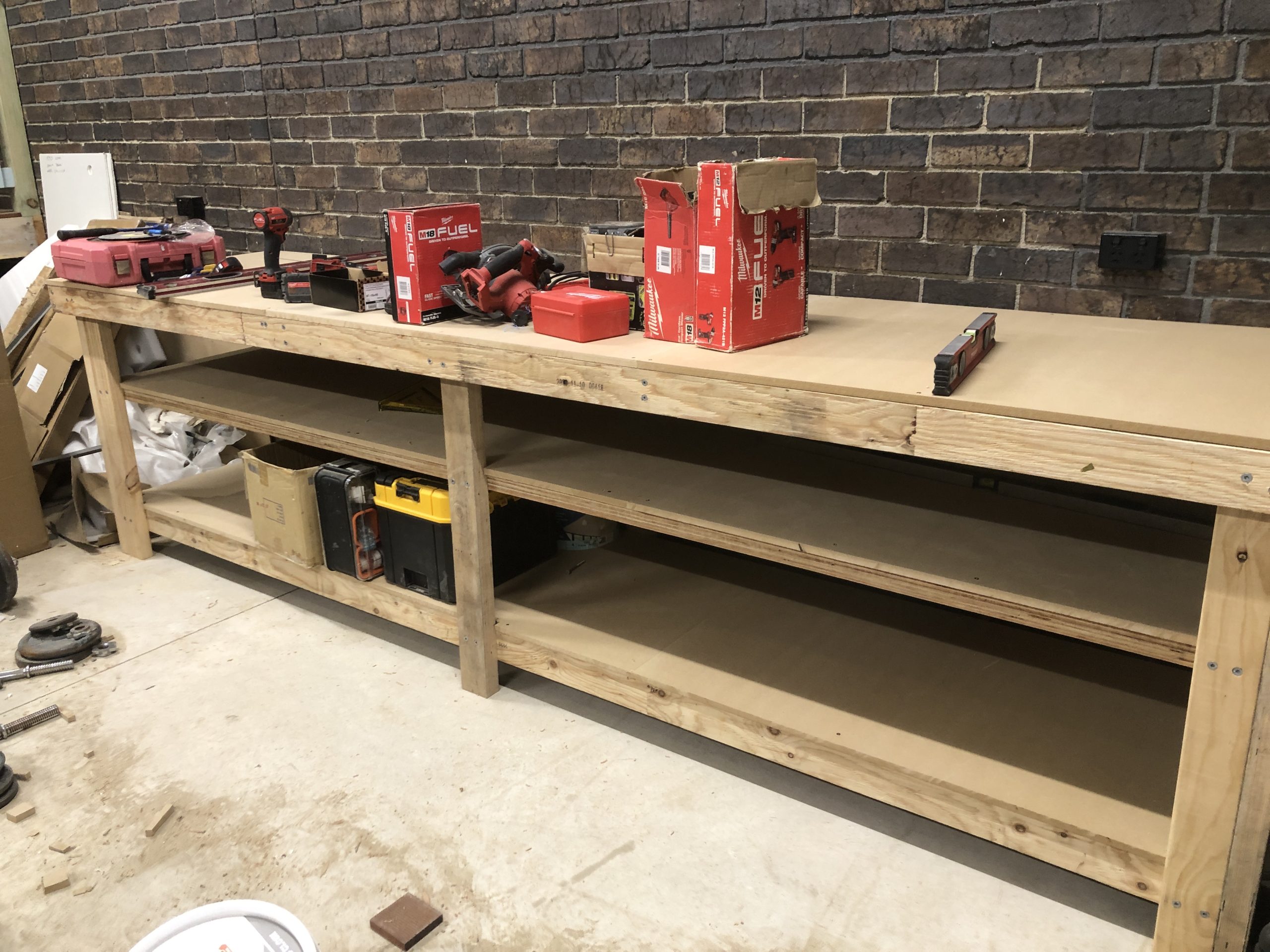
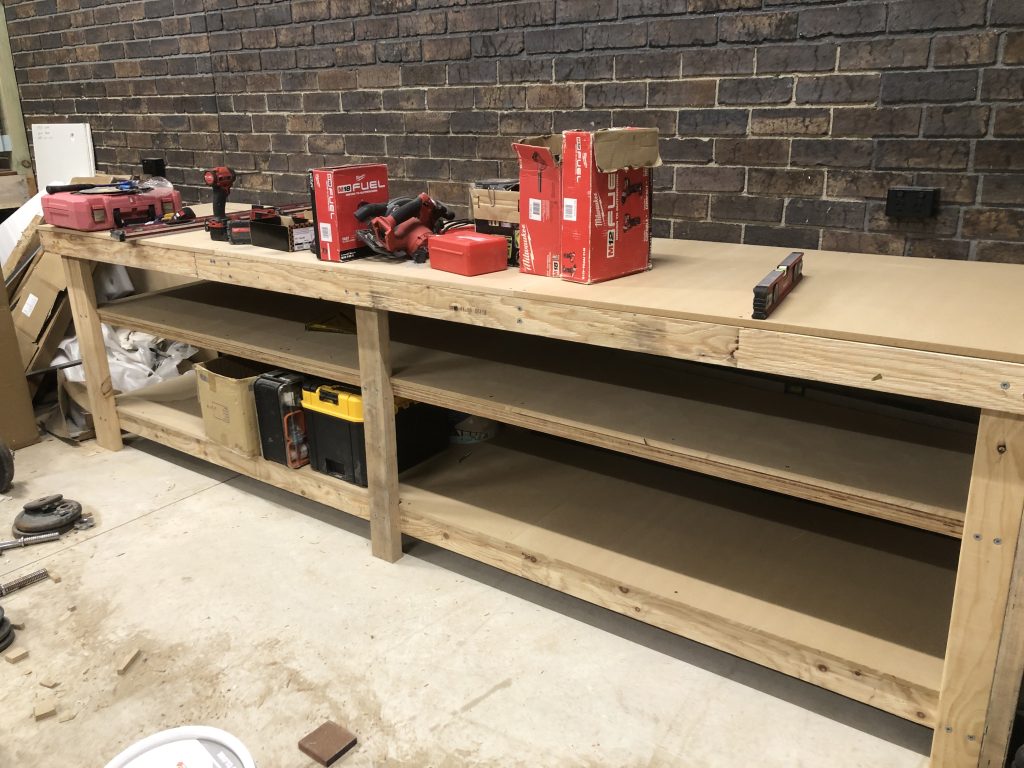
This is a bench design that I used for my own DIY Garage Wooden Workbench project. It took me 2 full days to complete. I found the instructions on this site. Whilst I used most of the design laid out in this article, I did make some adjustments.
The final measurements were 3600mm long, 950mm high, and 860mm deep. Due to the size I chose, I didn’t put the bench on caster wheels. Had it been 1800mm long, I would have. I also made two shelves under the benchtop of equal length to the bench.
My DIY Garage Wooden Workbench
You will notice that I used a combination of timbers. These were all new timbers I already had and they were also straight. Most of the timber was LVL (Structural). It made the bench very heavy. You don’t need LVL for a benchtop. Your standard framing pine (90×45) is fine. For the top surface, I purchased MDF boards (1200 x 2400) which I cut to size. Three sheets covered all of the surfaces. These I needed to cut to size.
The last step in my garage wooden workbench project is to add StoreWALL Garage Wall Panels to the wall above the bench. This has now been completed. I have added 2 x Heavy Duty Weathered Grey (2438mm) panels along the bench. I have stacked two panels to give me a paneled area of 4876mm x 770mm. At one corner, I have made it slightly higher with a third piece of panel at 1000mm.
Are you constantly battling with clutter in your garage? Do you find yourself struggling to locate tools, sports equipment, or holiday decorations when you need them? If so, wall mounted garage storage could be the game-changer you’re looking for. By leveraging the vertical space in your garage, you can significantly increase your storage capacity, organize your belongings efficiently, and create a more functional and accessible workspace. Let’s delve into the benefits of wall mounted storage solutions and how you can implement them in your garage.
The Advantages of Wall Mounted Storage
Maximized Space Utilization: One of the most compelling reasons to opt for wall-mounted systems is the ability to free up floor space. This approach allows you to store items off the ground, making it easier to clean the floor and move around.
Enhanced Organization: Wall-mounted systems often come with a variety of shelving, hooks, and bins that can be customized to suit your storage needs. This means you can have a dedicated spot for every item, from garden tools and sports gear to automotive supplies and woodworking equipment.
Improved Accessibility: By keeping items off the floor and at eye level, garage wall systems make it easier to find and retrieve what you need without digging through piles or boxes.
Visual Appeal: A well-organized garage wall storage system can significantly improve the look of your garage, transforming it from a cluttered catchall to a tidy and efficient space.
Implementing Wall Mounted System in Your Garage
1. Assess Your Needs: Start by taking inventory of what you currently store in your garage. Group items by category and consider how often you use them. This will help you determine the type of storage solutions that will work best for your space.
2. Choose the Right System: There are several types of garage wall storage systems to choose from, including:
Slatwall Panels: These are great for versatile storage needs, allowing you to attach hooks, shelves, and bins that can be easily repositioned.
Track Systems: Ideal for hanging larger tools and equipment, track systems offer sturdy support and can be customized with various hooks and accessories.
Shelving Units: Fixed or adjustable shelving units are perfect for storing boxes, bins, and larger items that don’t hang well.
3. Plan Your Layout: Before installing any system, plan your layout carefully. Consider placing frequently used items at arm’s reach and seasonal or rarely used items higher up or in less accessible spots.
4. Installation: While many wall-mounted systems are designed for DIY installation, ensure you have the right tools and follow the manufacturer’s instructions carefully. It’s crucial to secure storage systems to studs in the wall to provide adequate support for your items.
5. Organize and Label: Once your storage system is in place, organize your items logically and consider labeling shelves, bins, and hooks to make it easy to find and return items to their rightful spot.
Garage Wall System – Conclusion
Wall-mounted garage storage offers a smart and effective way to tackle the clutter in your garage. By taking advantage of vertical space, you can create a more organized, accessible, and visually appealing space. Whether you’re a DIY enthusiast, a sports fanatic, or just looking to declutter, there’s a wall-mounted garage storage solution that can meet your needs. Start planning your garage transformation today and enjoy the benefits of a well-organized space.
In the modern quest for maximizing living spaces, transforming your garage into a home office stands out as a brilliant and practical solution. As more people embrace remote work, the need for a dedicated workspace has become paramount. This guide offers insightful advice on converting your garage into an efficient, comfortable, and stylish home office.
Assessing Your Space
Start With a Plan: Before diving into the transformation, assess the size and layout of your garage. Consider the amount of natural light, the garage door’s location, and the availability of electrical outlets. A detailed plan will help you visualise the office space and identify potential challenges.
Permits and Regulations: Check with local authorities for any permits required to convert your garage into a living space. Compliance with building codes and regulations ensures safety and avoids legal complications.
Designing Your Home Office
Insulation and Climate Control: Garages are not typically designed for comfort, so adding insulation is crucial. Insulate walls, ceilings, and the garage door to maintain a comfortable temperature year-round. Consider installing a heating and cooling system to ensure your office is conducive to productivity.
Lighting: Optimize natural light by installing windows or skylights. Supplement with artificial lighting solutions like LED desk lamps and overhead lights to create a bright and inviting workspace.
Flooring: Upgrade the garage floor for warmth and comfort. Epoxy coatings, interlocking tiles, or laminate flooring can transform the space and add a professional touch to your home office.
Furniture and Storage: Select ergonomic furniture to enhance productivity and comfort. Incorporate storage solutions such as shelving units and cabinets to organize office supplies, documents, and equipment, keeping the space clutter-free.
Technology and Connectivity
Electrical Upgrades: Ensure your garage has adequate electrical outlets to support computers, printers, and other office equipment. Hiring a professional electrician to upgrade your electrical system is advisable for safety and efficiency.
Internet Connectivity: Strong Wi-Fi is essential for a home office. If your garage has weak signal strength, consider using Wi-Fi extenders or a dedicated internet line for reliable connectivity.
Personalizing Your Space
Decor: Personalize your home office with decor that inspires creativity and productivity. Add plants, artwork, and personal items to make the space welcoming and uniquely yours.
Noise Reduction: Soundproofing your garage can help minimize distractions from outside noise. Use acoustic panels, weather stripping, and door seals to create a quiet work environment.
Final Thoughts
Converting your garage into a home office is a smart way to utilize unused space and enhance your work-from-home experience. By carefully planning and designing your office, you can create a functional and comfortable workspace that boosts productivity and creativity. Remember, a well-thought-out home office not only benefits your work life but also adds value to your home.
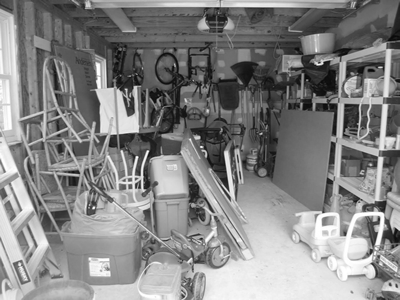
In Australia, the garage has traditionally been a multifunctional space, serving not just as a shelter for cars but also as a storage area for a myriad of household items, tools, and occasionally, even as a workspace or recreational area. However, a common observation across many Australian homes is that garages tend to be particularly cluttered and messy. This phenomenon can be attributed to several factors, ranging from changing lifestyle patterns to architectural design and consumer behavior. This article delves into the reasons behind the messiness of Australian garages, shedding light on the underlying causes and potential solutions. It also introduces a range of solutions that can assist you to reclaim your garage.
Shifting Lifestyle Patterns
One of the primary reasons for cluttered garages is the evolving lifestyle of Australians. As people acquire more possessions, from sports equipment to seasonal decorations, the garage often becomes the go-to storage space. The rise of hobbies and home improvement projects has also contributed to the accumulation of tools and materials, often stored in the garage for convenience.
Lack of Adequate Storage Solutions
Many Australian homes, especially older ones, were not designed with sufficient built-in storage. As a result, garages become the overflow space for items that do not fit inside the house. Without proper organization systems such as shelving, cabinets, or racks, these items can quickly accumulate, creating clutter and disorganization.
The Consumer Culture
The surge in consumerism, driven by the ease of online shopping and the allure of sales, has led to an increase in household belongings. Many Australians find themselves purchasing items on impulse or in bulk, which, due to lack of immediate use or space inside the home, end up in the garage. This consumer habit exacerbates the issue of clutter, making garages appear messier than ever.
Multipurpose Use of Garage Space
Garages in Australia are increasingly being used for purposes other than parking cars. They serve as workshops, home gyms, and even entertainment areas. This multipurpose use, while beneficial, contributes to the clutter, as it introduces a variety of items into the space that are not always neatly organized or stored.
Procrastination and Lack of Time
The task of cleaning and organizing a garage can be daunting, especially when the clutter has been accumulating over time. Many individuals postpone this task due to its overwhelming nature or due to a busy lifestyle. This procrastination, combined with a lack of dedicated time to tackle the mess, results in garages remaining cluttered for extended periods.
Architectural Design and Planning
The design of some Australian homes does not prioritize garage storage efficiency. Garages are often designed to meet minimum size requirements for vehicles, with little consideration for storage or organization. This lack of foresight in design contributes to the challenge of keeping garages tidy and well-organized.
Seasonal and Infrequently Used Items
Garages often house seasonal items such as holiday decorations, winter clothing, and sports equipment, which are not used year-round. These items take up valuable space and contribute to the clutter, especially when not stored properly.
Reclaim Your Garage – Solutions and Strategies
Addressing the messiness of garages requires a multifaceted approach. You can adopt various strategies to mitigate this issue so you can reclaim your garage:
Implementing Efficient Storage Solutions: Installing shelving, cabinets, and overhead storage can maximize space and reduce clutter.
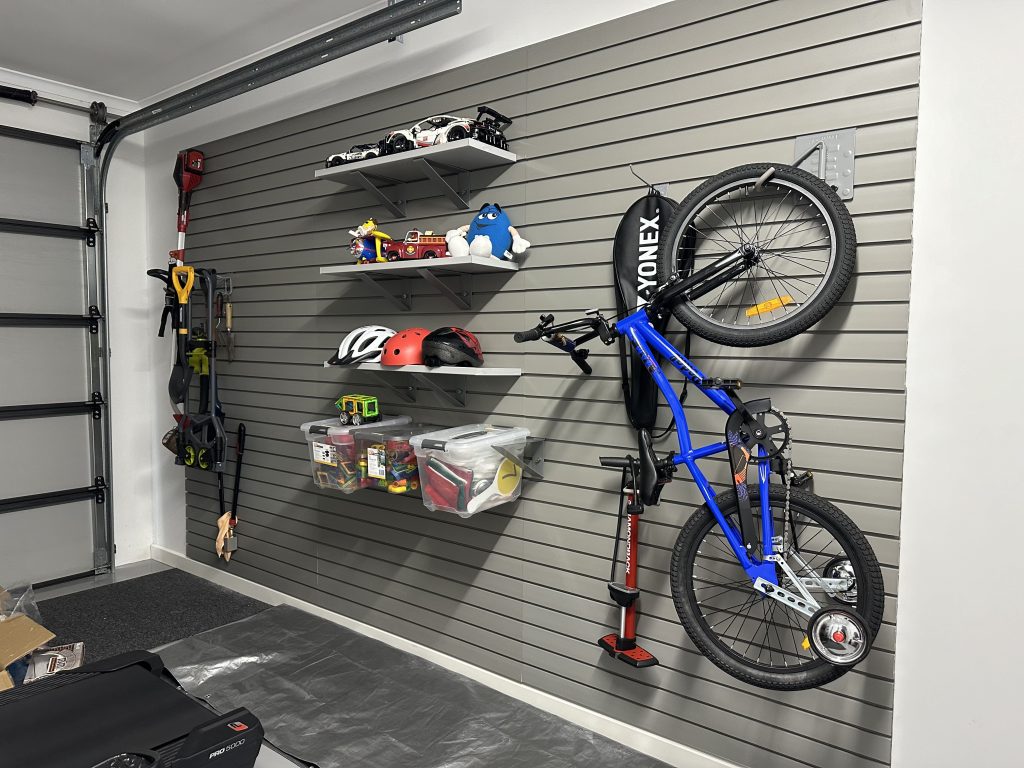
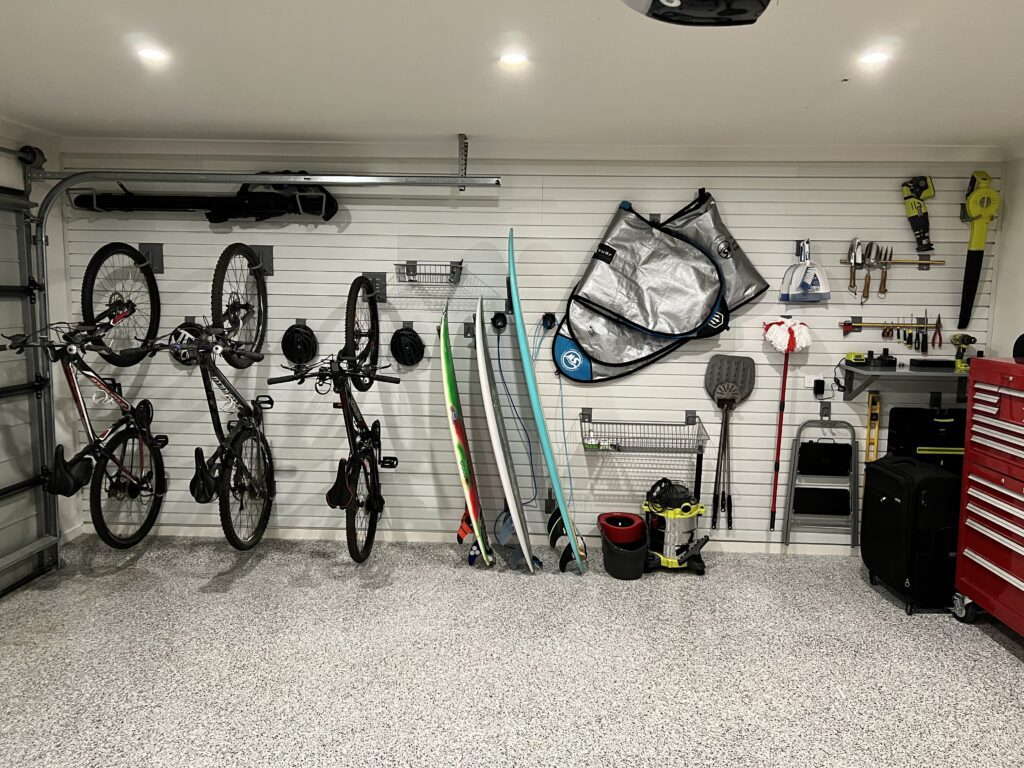
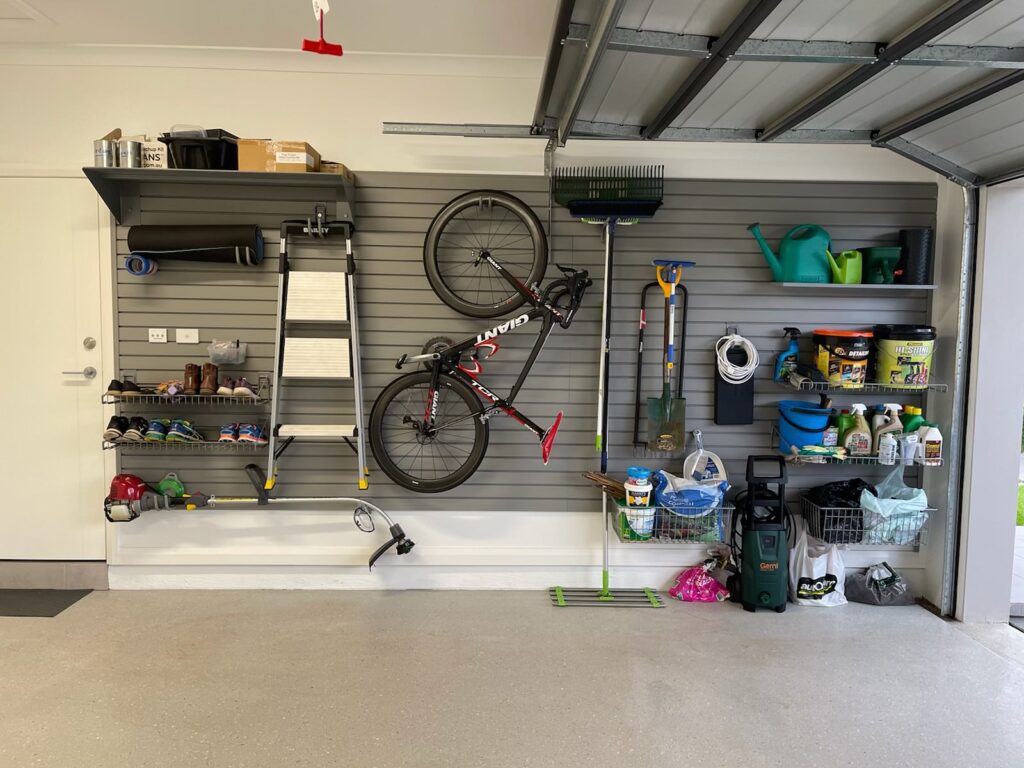
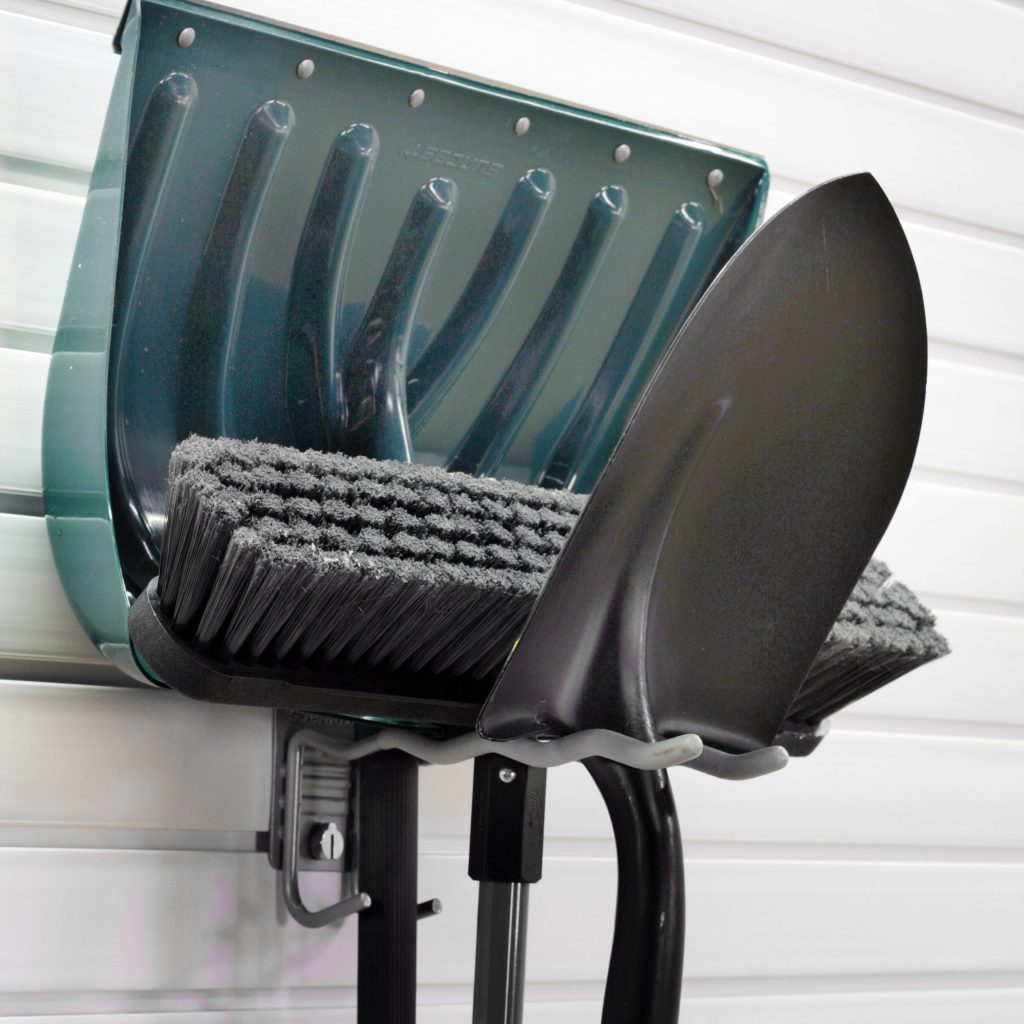
Utilise your walls: Wall storage solutions allow you to maximise the height and width of your walls as storage areas. Garage wall storage solutions enable the use of hooks, baskets, and shelves to safely store everything from sporting goods to power tools and even work boots.
Regular Decluttering: Setting aside time to sort through items and dispose of or donate those that are no longer needed can significantly reduce clutter.
Designating Spaces: Assigning specific areas within the garage for different types of items can help maintain organization.
Investing in Multipurpose Furniture: For garages used as multipurpose spaces, furniture that offers storage can be particularly useful.
Embracing Minimalism: Adopting a more minimalist approach to possessions can prevent the garage from becoming a catch-all storage space.
In conclusion, the cluttered state of Australian garages is a multifaceted issue influenced by lifestyle changes, architectural design, and consumer habits, among other factors. By acknowledging these causes and implementing practical solutions, you can reclaim your garage, transforming it into an organised, and functional space.
Maximize Your MDF Slatwall with StoreWALL’s High-Quality Accessories
Explore the Best Slatwall Accessories for Your Home Garage
Recently, we’ve noticed a surge in enquiries from homeowners looking for superior slatwall accessories to enhance their MDF Slatwall Wall Panels. Common in retail settings, MDF slatwalls, characterized by 100mm spaced grooves and metal trim, are now finding their way into household garages.
Understanding MDF Slatwalls:
Design: MDF slatwalls are budget-friendly and popular in retail stores. However, their accessory range is primarily retail-focused and may not suit home garage needs.
Slatwall Accessory Options:
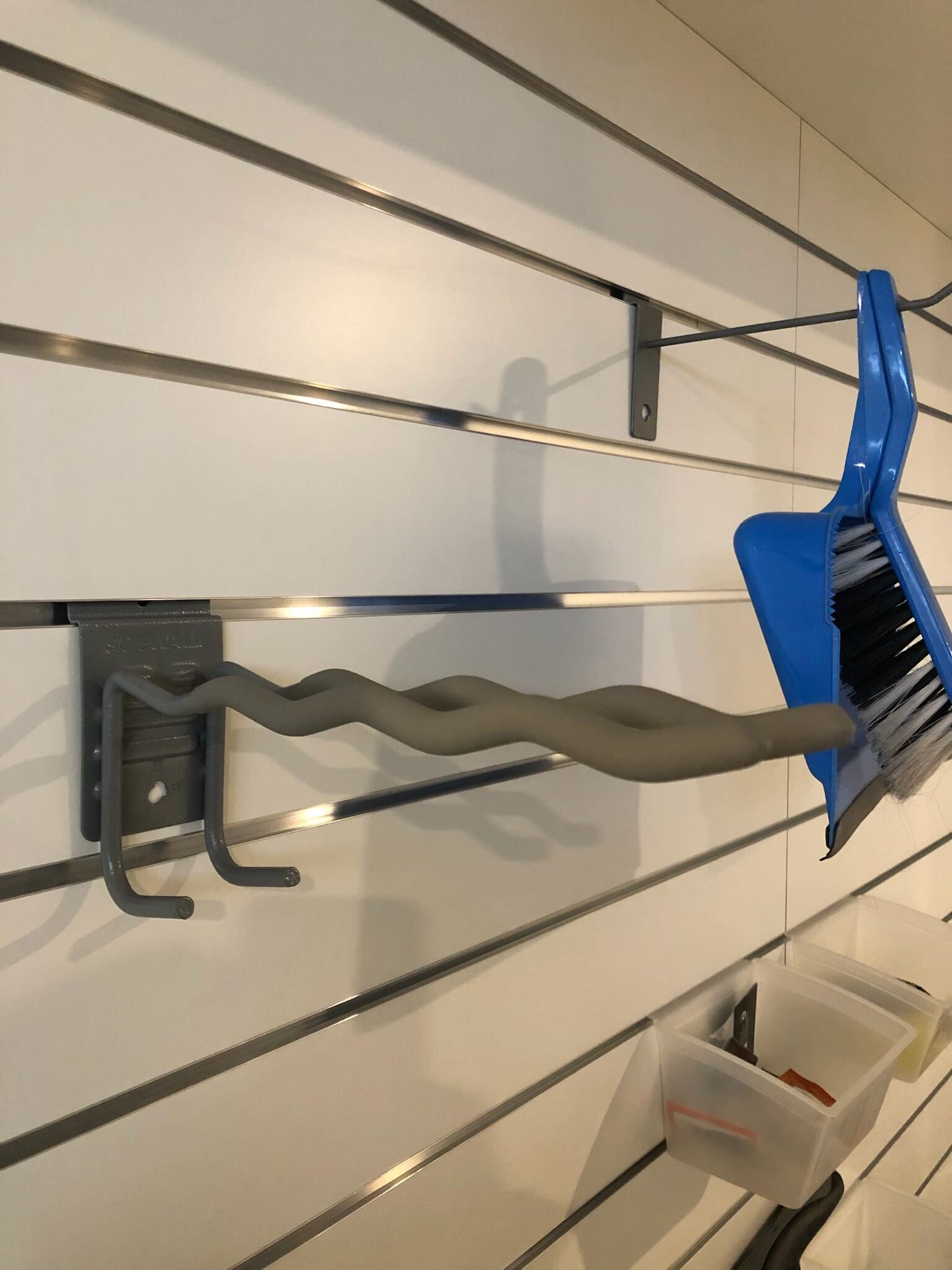
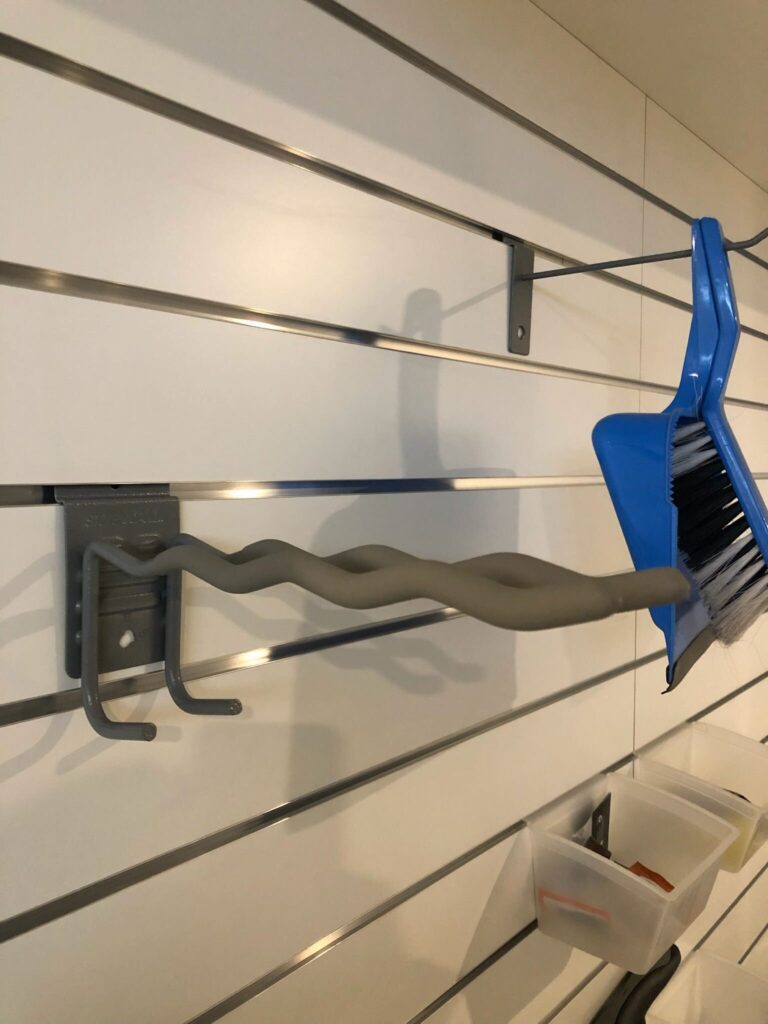
Online Availability: A search on platforms like eBay for ‘Slatwall Accessories’ reveals various hooks, shelves, and baskets. While adequate for light items like dustpans, they may lack versatility for diverse storage needs.
Ebay.com.au
Why Choose StoreWALL’s Accessories:
Robust Construction: Our accessories are crafted from steel and finished with powder coating, ensuring durability and longevity. They also feature rubber tips for item protection.
Extensive Range: Offering over 35 hook types, 15+ metal shelves, 8 basket styles, 4 bracket sizes, 15+ bins in various colors, and 4 Tote Bags, our range caters to a broad spectrum of storage needs.
Global Recognition: StoreWALL’s accessories are recognized as some of the best in Australia and internationally.
Adapting StoreWALL Accessories for MDF Slatwalls:
CamLok Removal: To fit our accessories onto MDF Slatwalls, we simply remove the CamLok. This modification allows the “L” shaped lip to fit into your MDF wall, supporting various items.
Result: While CamLok’s extra security is absent, our range offers greater depth and versatility. Exercise caution when handling stored items.
Elevate Your Storage Game:
Transform your MDF Slatwall with StoreWALL’s wide array of accessories. Whether you’re storing garden tools, sports equipment, or household items, our solutions offer unmatched functionality and style for your home garage.
Over the coming month we will be launching a new range of StoreWALL Slatwall Shelving Solutions which have been designed specifically for our local Australian market.
Our New Slatwall Shelving Solutions will be made from metal and will be compatible with all StoreWALL Slatwall Panels. This includes our StoreWALL Basic, Standard and Heavy Duty panel range.
Garage Tool Organiser
Our existing plastic Garage Tool Organiser has been super popular since we introduced it over 18mths ago. We thought we could however make some simple improvements which would make it extra useful for our customers. The latest version of the Garage Tool Organiser will:
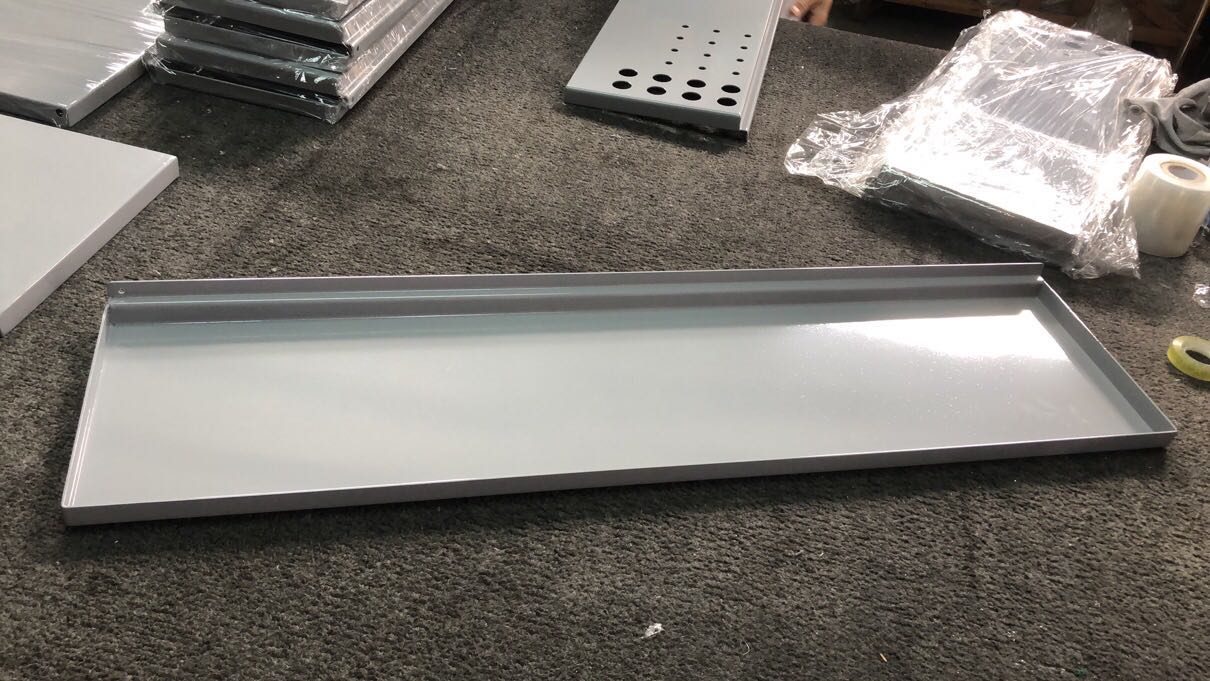
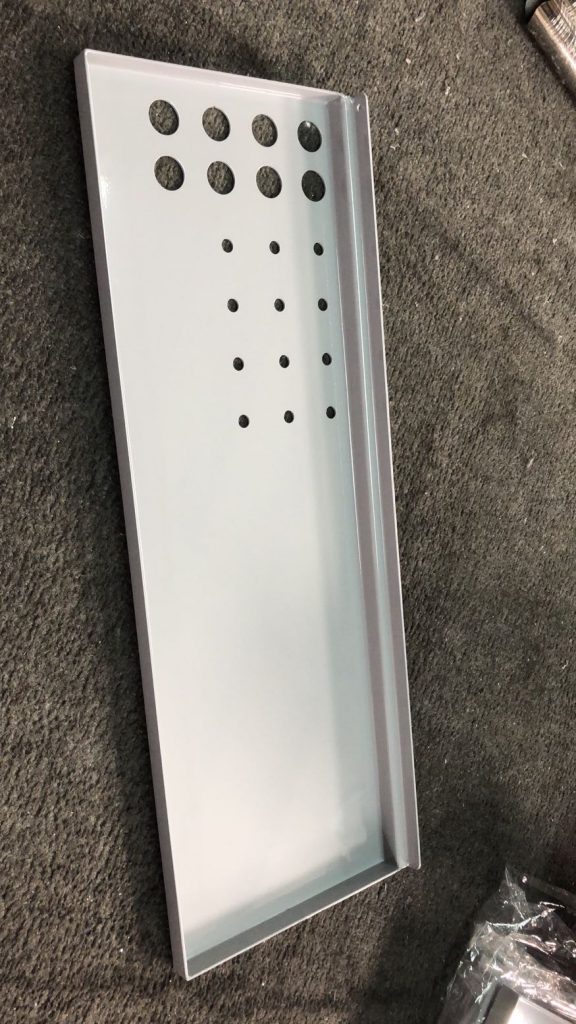
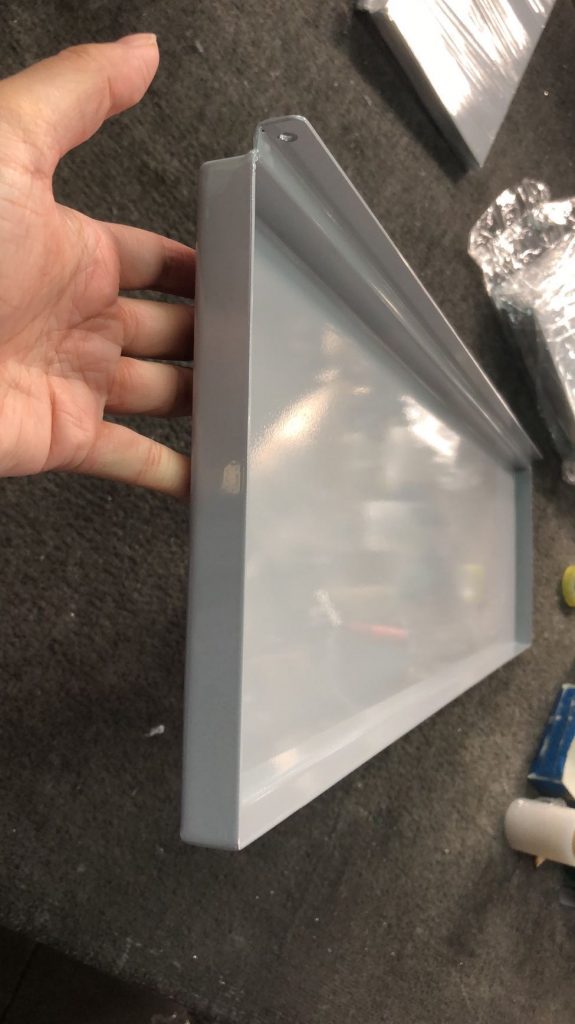
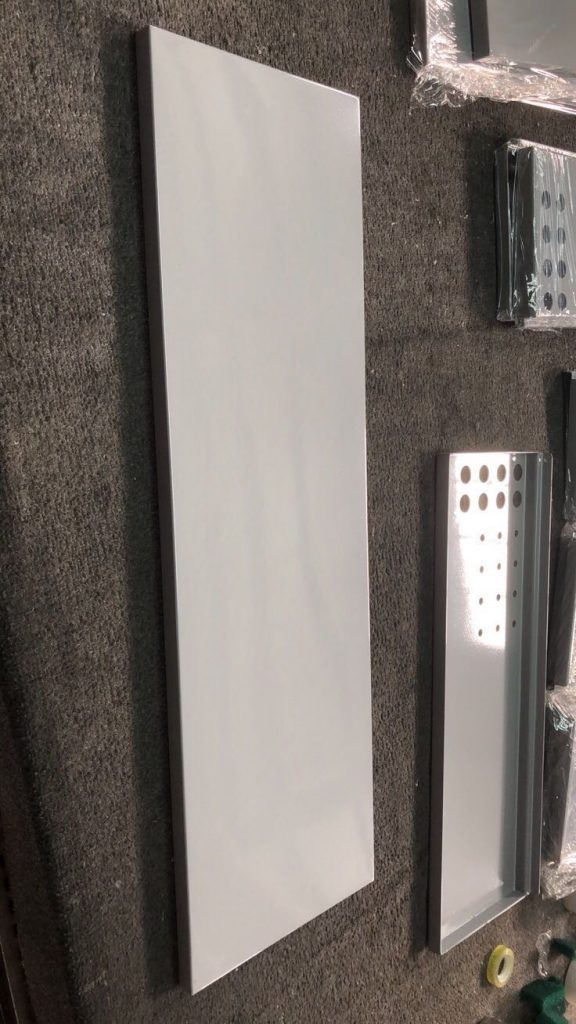
be made from metal (2mm thickness).
have the ability to be added and removed easily from your wall panel.
come with pre-cut holes for your tools.
be powder coated.
be quite a bit larger than the existing model at 200mm (depth) x 600mm (length) x 20mm (height).
Additionally, this shelf will be compatible with many other Slatwall panels on the market at the moment including StorEase sold by Bunnings.
812mm Metal Shelf
We are also introducing a new metal shelf which has a similar design to the Garage Tool Organiser minus the holes. This shelf has been designed so that it can be easily added and removed from your slatwall panel. There will no longer be the need to install it from the exposed side of the panel.
The 812mm Metal Shelf will have a thickness of 2mm making it quite strong and able to carry a reasonable amount of weight. Note however that this shelf does not come with the StoreWALL CamLok locking mechanism. Therefore you will need to be careful with the amount of weight held on it.
The dimensions of this new shelf are: 200mm (depth) x 812mm (length) x 20mm (height).
This shelf will also be compatible with most Slatwall panels on the market.
Slatwall Shelving Solutions – Floating Shelf
The last of the three new shelves is a 812mm Floating Shelf which has been designed to work with our range of StoreWALL Brackets (254mm and 381mm).
This new shelf has been designed in line with our existing 1219mm Shelf. It is a fully enclosed shelf which can be added to your existing StoreWALL brackets or any brackets you have purchased from your local hardware store.
The Metal Shelf is also made from metal (1mm thickness). Its dimensions are 254mm (depth) x 812mm (length) x 20mm (height).
These shelves are in the process of making their way to Australia and we hope to have them available over the coming 4 weeks (mid October). We will however let you know when they become available and their pricing via our newsletter once they have arrived.
You can sign up to our newsletter here for all new product news.
StoreWALL offers a great range of Garage storage shelving systems which can be attached to our StoreWALL Wall Panels and easily moved around. The range comprises plastic and metal garage wall shelves of 800mm or 1.2m lengths.
Metal Garage Wall Shelves
StoreWALL Metal garage wall shelves come in 1219mm and 760mm sizes and are made from solid industrial grade steel, with a steel reinforcement bar on the underside. Our Metal Shelves will keep all your items safely stored. All of our Metal Shelves also come with CamLok backplates and are coated with a heavy duty powder finish.
Light Plastic Shelves
Compliment your StoreWALL panels with our new light weight plastic shelves. The 812mm & 1219mm shelves are made from a sturdy plastic and are supported by StoreWALL brackets (sold separately). One side has no edges, flip it over and it is a tray with a lip edge all the way around. The shelves have a maximum weight capacity of about 45kg.
Garage storage shelving systems – Ledge Shelves
The 1219mm Ledge Shelf fits directly onto your StoreWALL wall panels (no brackets required). Shelves are moulded of strong, lightweight thermoplastic, do not require paint or finishing and are simple to keep clean. The Ledge Shelf can easily be converted into a custom display shelf or tool organiser.
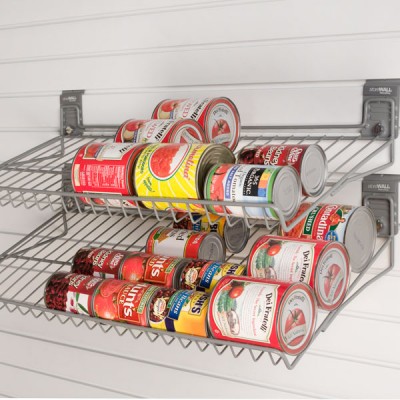
Metal Wire Shelves
StoreWALL offers two Wire Shelves (Small and Large). The Large Wire Shelf (760mm) provides more space for storing a wide variety of supplies and is perfect for places wherebrackets cannot be used. A great place to store muddy boots and boxes off the floor.
The Small Wire Shelf (760mm) is designed for storing items such as a tackle box, small cooler or a tool box.
Wire shelves are equiped with our CamLok locking mechanism.
Tool Organiser
Our garage workshop storage solutions now extend to our tool organiser. Made of extruded, lightweight thermoplastic, pre-drilled and ready to use. The 406mm Tool Organiser is incredibly strong, easy to clean and does not require paint or finishing.
It also attaches easily to StoreWALL without additional brackets.

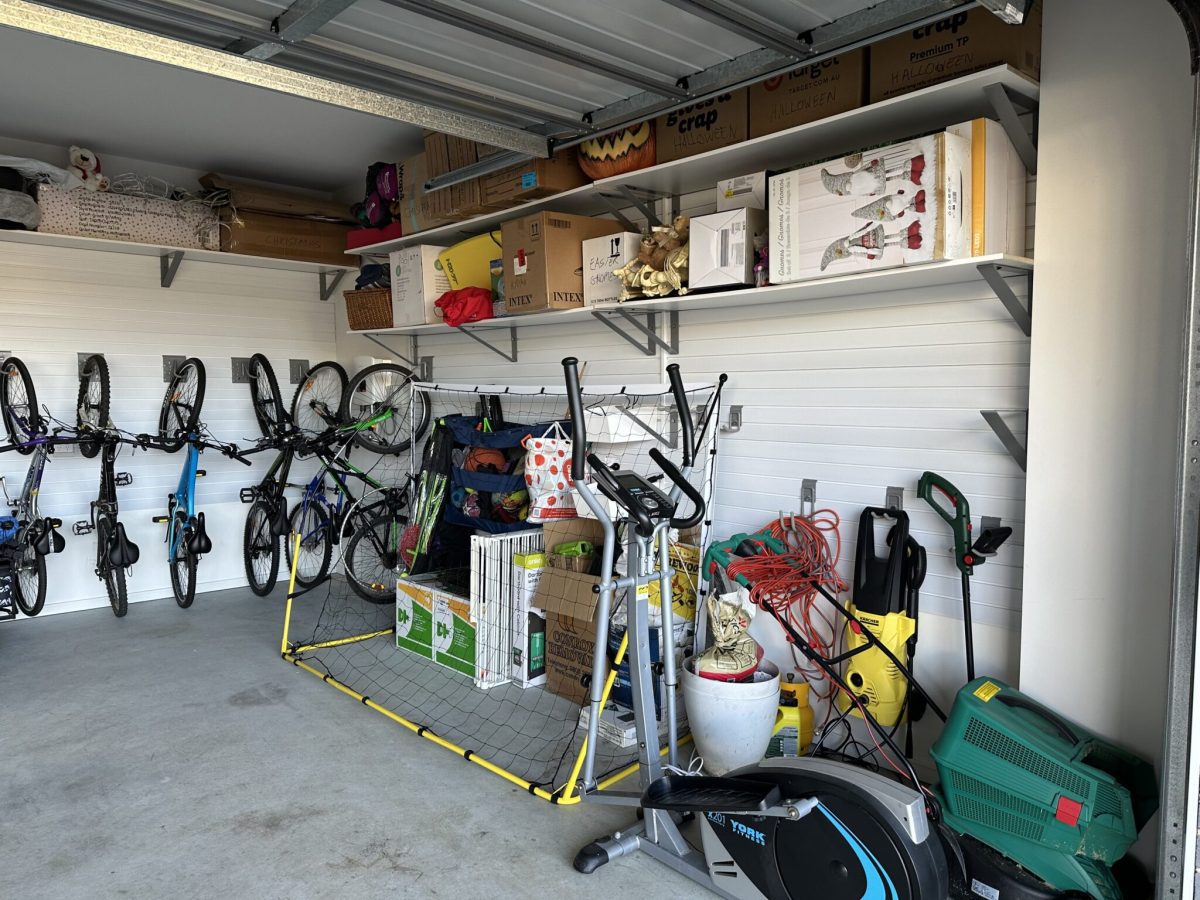
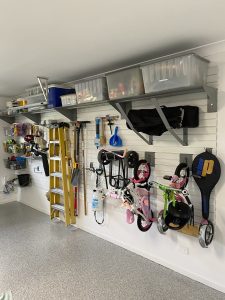
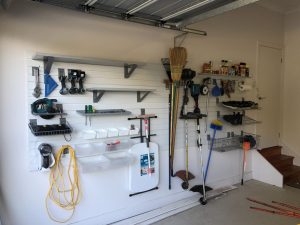
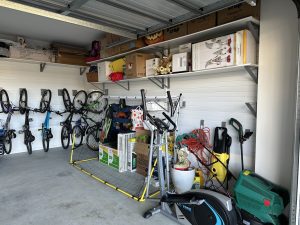 Examples of incorrect spacing, 2 or 3 brackets over 2.4m
 Risk of Clutter and Accessibility Issues