Access an Additional $20 Off All 2438mm Wall Panels!
CALL US

0411 280 646

Categories
Black Slatwall Brick Walls garage design Garage Ideas garage makeover Man Cave

30 Years of Garage Location Trends

The garage is more than just a space to park your car—it’s a reflection of how we live, what we value, and how residential design has evolved. Over the past three decades, the position and prominence of garages on homes have shifted significantly, shaped by urban development patterns, lifestyle needs, and design aesthetics. We explore 30 years of garage location trends and what it says about how we live today.

1990s: Front and Center

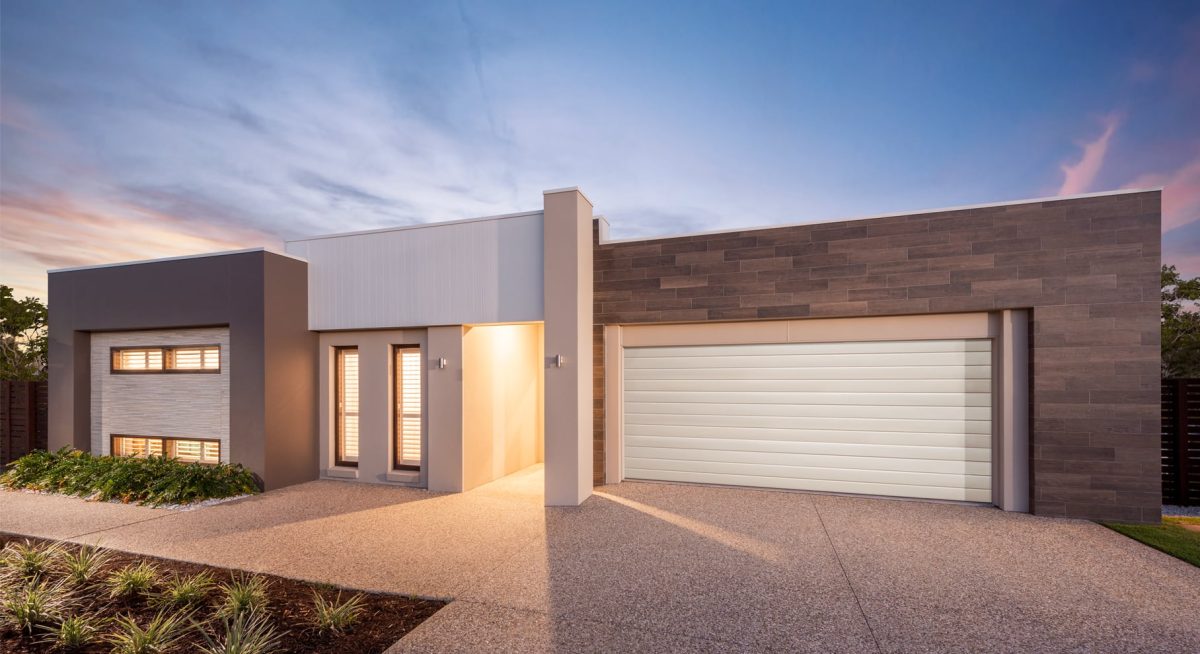
In the 1990s, suburban expansion was in full swing. As more families moved into tract-style homes in planned communities, garages became a dominant feature—often located at the front of the house, facing the street.

Key Characteristics:

  • Double or triple garage doors were a focal point of the home’s facade.
  • Garage doors were often prominent and unadorned, prioritizing function over form.
  • This design catered to families with multiple vehicles, and commuting was a daily necessity.

Why It Worked Then:

  • Developers aimed for efficiency and affordability—placing the garage at the front reduced driveway length and allowed smaller lot sizes.
  • The garage became an extension of the front yard, often used for storage, home projects, or informal entry.
30 Years of Garage Location Trends

2000s: Garage as a Lifestyle Hub

As homes grew larger in the early 2000s, so did the garages. The garage was still front-facing in most suburban neighborhoods, but the trend began to shift toward more integrated designs.

Key Trends:

  • Three-car garages became more common, often arranged in L- or tandem layouts.
  • Builders began to hide garages slightly behind the main front elevation, sometimes offset or recessed.
  • Homes included mudrooms or laundry rooms between the garage and the interior, reflecting its role as the main entry point for families.

The Lifestyle Factor:

  • The garage became not just for parking, but a multifunctional space—used for fitness equipment, hobby workspaces, or even secondary living areas.

2010s: De-emphasizing the Garage

In the 2010s, design-conscious homeowners and architects began pushing back against garages dominating curb appeal. The modern homeowner wanted cleaner aesthetics, better street presence, and more usable outdoor space.

Design Shifts:

  • In urban infill and townhome developments, garages were often moved to the rear of the home and accessed via alleyways.
  • In custom homes or high-end developments, garages were placed side-facing or hidden behind landscaping or architectural features.
  • There was a growing focus on garage door design, with materials and styles selected to complement the overall home.

Driving Forces:

  • Walkability and streetscape appeal became more important.
  • The rise of alternative transportation (biking, ride-shares) made large garages less essential in some urban areas.
  • Storage systems and organization tools like slatwall panels and overhead racks became popular, helping homeowners maximize garage functionality.
30 Years of Garage Location Trends

2020s: Flexibility, Function, and Hidden Design

Today, garage design is all about blending form with function. While many homes still feature front-facing garages, there’s a clear move toward less visual dominance and greater functional flexibility.

Current Trends:

  • Detached garages are making a comeback in some markets, offering space for ADUs (accessory dwelling units) or home offices above.
  • Side-entry and rear-facing garages are favored for upscale homes.
  • Integrated garages with seamless interior transitions and smart storage are in high demand.
  • Garages are increasingly being built with EV charging stations, insulated doors, and climate control.

Cultural and Technological Influence:

  • The rise of remote work and home-based businesses has transformed garages into workshops, studios, and gyms.
  • Design software and 3D modeling tools allow homeowners to better visualize and customize garage layouts.
  • Sustainability and energy efficiency are influencing the materials and positioning of garage spaces.

Why This Evolution Matters

The changing location and role of the garage reflect deeper shifts in how we live:

  • A move toward intentional design
  • Increased focus on curb appeal and community aesthetics
  • A broader view of the garage as a versatile, integral space

As we continue to rethink how our homes function in a digital, mobile, and flexible world, the garage is evolving right alongside us.

30 Years of Garage Location Trends

30 Years of Garage Location Trends – The Future

Over the past 30 years, garages have moved from front-facing functional spaces to discreet, flexible extensions of the home. Whether it’s for storing a vehicle, working on a passion project, or charging your electric car, the garage’s role is no longer one-dimensional.

As homeowners continue to demand more from their living spaces, expect garage design—and location—to keep evolving in creative and thoughtful ways.
Categories
Best Garage Storage Solutions for 2024 Bike Storage Brick Walls garage design Garage Ideas garage makeover

How to Solve Your Garage Storage Challenges Without Breaking the Bank

Creating an organised, efficient garage is about more than just clearing clutter—it’s about making a smart investment in your home. A well-designed garage storage solution ensures your belongings are secure, easy to access, and stored in a way that enhances the space, not crowds it. In our latest article we will look a recent case study, where we helped a Sydney customer solve her garage storage challenge.

Garage Storage Isn’t Just About Shelving

If your goal is to simply shove items out of sight, a few basic shelves from your local Bunnings might do the trick—until you need something buried at the back. But when you’re looking for long-term efficiency and flexibility, shelves alone fall short. They often become overcrowded, making it hard to retrieve specific items without moving others.

This is where a garage wall storage system shines.

Once installed, StoreWALL’s wall panels transform your garage walls into customisable storage hubs. Need to hang bikes this year and swap to golf gear and water skis next summer? No problem. With the right slatwall system, you can easily change your layout as your needs evolve—without drilling new holes or installing more shelves.

The Smart Way to Plan Garage Wall Storage

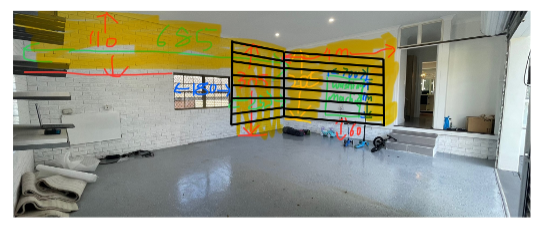
We recently worked with a homeowner in Sydney who had a wide garage with two key usable wall spaces: the rear wall and the right-hand side wall. Their goal? To neatly store plastic tubs, bikes, sports gear, and large items like an ironing board.

Our initial proposal was to install wall panels across the full height of both walls—covering around 18 square metres with 27 StoreWALL Standard Duty panels (2.4m each). The cost to deliver this was approx $4700. While this would have provided complete flexibility and coverage, the quote exceeded their budget. See above picture of what was originally requested.

Smart Savings Without Sacrificing Function

One of the many advantages of the StoreWALL slatwall system is that it can be dialled down by reducing the amount of wall panels used and therefore the overall initial cost of the project. At a later stage, it can also be dialled back up again with additional panels added to expand the solution.

We took another look at the room for the client, this time focusing on how we can continue to make it functional but with a lower initial investment. By reducing the panel height from full-wall to either 1.8m or 2.1m, and limiting the wall coverage to strategic sections, we delivered a far more cost-effective solution that still met their storage goals.

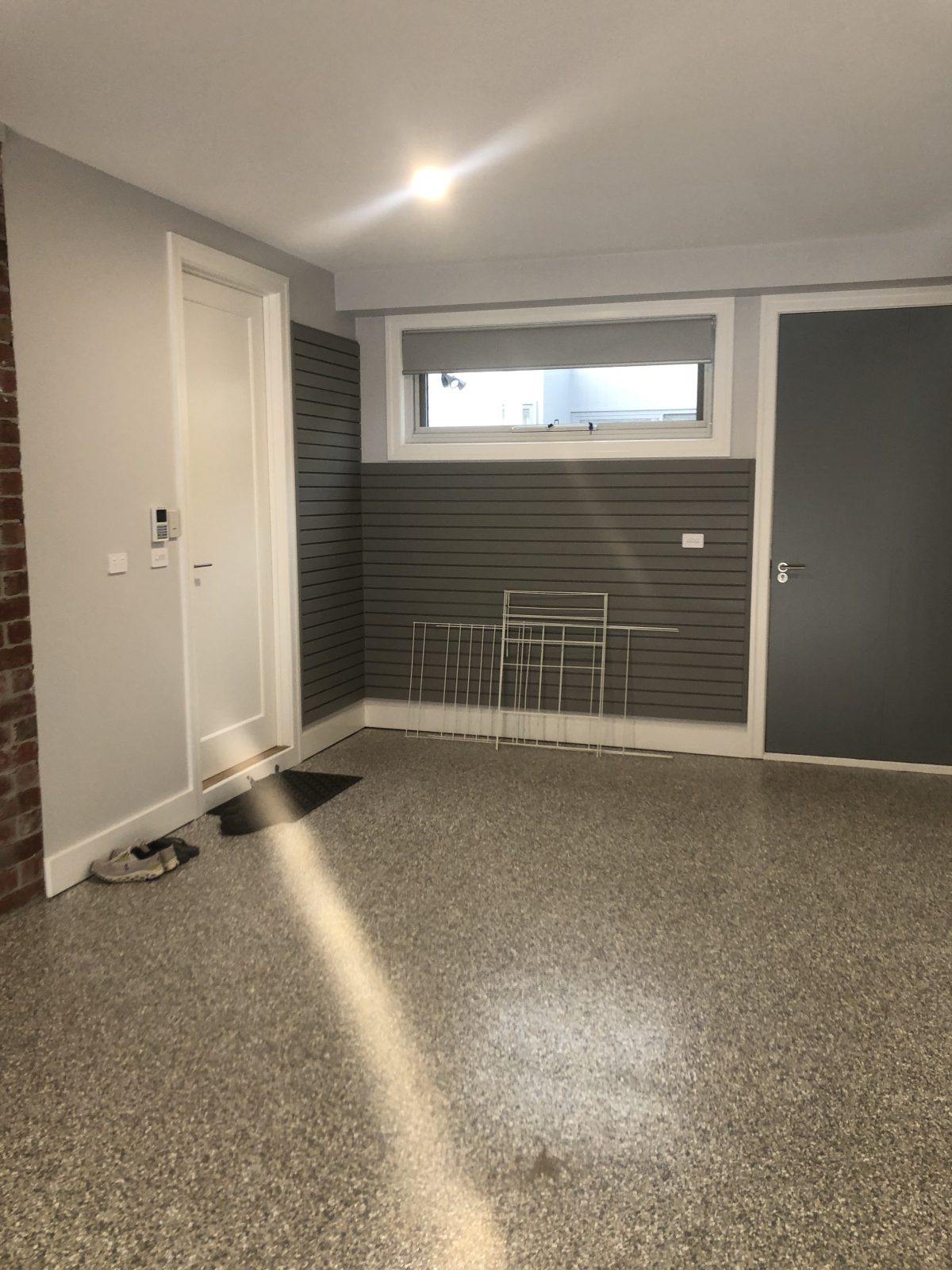
  • Rear wall (right of window): 2.4m wide x 2.1m or 1.8 high
  • Right-hand wall: 3.6m wide x 2.1m or 1.8m high
  • Total coverage: Over 6m of width at 1.8–2.1m height = approx. 12–13sqm of wall coverage
  • Budget of $3100

By reducing the wall coverage by 30%, we also reduced the budget by a similar figure.

This gave them ample room for high shelving to hold plastic tubs, with bikes stored neatly on the rear wall, and sports gear hung along the side wall.

The Result?

A tailored solution that met their needs without over-investing in unnecessary materials. And best of all, they retained flexibility for future changes—something you simply don’t get with fixed shelves.

StoreWALL Garage Wall Panels offer the ultimate in versatility, durability, and long-term value. Whether you’re starting with one wall or upgrading your entire space, we’ll help you maximise every square metre—on your terms and within your budget.

Categories
Epoxy Floors garage design Garage Hooks Garage Ideas garage makeover

Finishing Your New Home Properly

Premium Garage Storage for New Builds

When building a new home, most people focus on the big-ticket items — the kitchen, bathrooms, flooring, and outdoor areas. By the time you move in, you’ve already invested heavily in the quality, layout, and finishes of the house.

But there’s one space that’s often left unfinished or overlooked: the garage.

For many new homeowners, the garage becomes the largest and most versatile room in the house. It stores tools, sports gear, bikes, gardening equipment, seasonal items, and often doubles as a workshop or utility space. Setting it up properly from day one is the final step in truly completing your new home.

Why the Garage Deserves the Same Attention as the Rest of the House

Even without epoxy floors or designer finishes, a new-build garage already has major advantages:

  • Fresh concrete slab
  • Clean, straight walls
  • No existing clutter
  • Modern lighting and power

This makes it the perfect blank canvas for a premium garage storage system.

Instead of letting boxes pile up or drilling random hooks into the walls, installing a well-planned wall storage system allows you to:

  • Protect your investment
  • Keep possessions organised and off the floor
  • Maintain a clean, uncluttered look
  • Add long-term value to your home

What Is Premium Garage Storage?

Premium garage storage goes beyond basic shelving or pegboard. It’s a modular wall-based system designed to support heavy loads, adapt as your needs change, and keep everything accessible.

Key features of premium systems include:

  • Heavy-duty wall panels fixed securely to studs or masonry
  • Load-rated hooks, shelves, baskets, and cabinets
  • Adjustable layouts without re-drilling walls
  • Clean, architectural finishes that suit modern homes

This type of storage is designed to last for decades — not just until the next clean-up.

Why New Builds Are Ideal for Installing Garage Wall Storage

1. No Retrofitting Required

With a new home, walls are straight, undamaged, and easy to plan around. Installing a storage system early avoids patching holes or working around existing fixings later.

2. You Can Design the Layout Properly

Before clutter sets in, you can:

  • Allocate zones for tools, sports gear, garden equipment, and household storage
  • Keep high-use items within easy reach
  • Store heavier items safely at appropriate heights

3. It Protects New Floors

Most new garages don’t have epoxy floors installed immediately. A wall storage system keeps items off the ground, reducing scuffs, stains, and wear on the concrete slab.

What Should You Store in a Premium Garage System?

A well-designed garage wall storage setup can handle almost everything you’d normally stack on the floor:

  • Power tools and hand tools
  • Ladders, hoses, and garden tools
  • Bikes, scooters, and sporting equipment
  • Storage tubs and seasonal items
  • Workshop gear and cleaning supplies

By keeping items vertical and organised, the garage remains usable — not just a dumping ground.

best garage wall storageAesthetic Matters in a New Home

After choosing tiles, benchtops, and cabinetry throughout your house, a messy garage feels out of place.

Premium storage systems are designed to:

  • Match modern building styles
  • Create visual order
  • Give the garage a “finished” look

Even without epoxy floors, clean walls with structured storage instantly elevate the space.

Long-Term Value and Flexibility

One of the biggest advantages of modular garage wall storage is flexibility:

  • Hooks and shelves can be repositioned as your needs change
  • New accessories can be added without re-drilling
  • The system grows with your family, hobbies, or tools

This makes it ideal for new homeowners who know their storage needs will evolve over time.

Common Mistakes to Avoid in New Garages

  • Installing random hooks without a plan
  • Relying on freestanding shelves that eat up floor space
  • Overloading plasterboard without proper support
  • Treating the garage as temporary instead of permanent

A premium system avoids these issues by design.

Final Thoughts: Complete the Home, Not Just the House

Building a new home is a major investment. Finishing it properly means thinking beyond living spaces and giving the garage the same level of consideration.

A premium garage storage system:

  • Protects your possessions
  • Keeps your garage functional and organised
  • Enhances the look and usability of your home
  • Adds long-term value without needing flashy finishes

You don’t need epoxy floors to have a great garage — you just need smart, durable storage that works from day one.

    Categories
    Bike Storage garage design Garage Hooks Garage Ideas garage makeover

    The Most Space-Saving Way to Store a Bike

    Storing a bicycle efficiently is a common challenge for homeowners and apartment dwellers alike. Whether you’re short on garage space, sharing a small apartment, or simply want to declutter, choosing the right storage method can make all the difference. In this guide, we’ll explore the most space-saving way to store a bike — with detailed measurements, pros and cons, and practical advice on what works best.

    🚴 Why Space Matters

    A standard adult bicycle measures:

    • Length: approx. 170–180 cm
    • Handlebar width: approx. 60–70 cm
    • Wheel diameter: 26″–29″ (66–74 cm)
    • Height from ground: 95–110 cm when upright

    That means a single bike can occupy over 1.2 square metres when stored on the ground. Multiply that by multiple bikes in a home, and you’re quickly dealing with serious floor space consumption — especially in smaller garages or homes with growing families.


    🚲 1. Storing on the Ground

    📏 Footprint: ~180cm (L) × 70cm (W)
    Rating: ★☆☆☆☆

    Pros:

    • Easiest access — no lifting
    • Great for frequent riders
    • Stable if on a rack or kickstand

    Cons:

    • Takes up significant floor space
    • Trip hazard
    • Not suitable for compact storage
    • Dirt/oil may contact floors

    Best for: Riders who use their bikes daily and have ample garage space

    🚲 2. Horizontal on the Wall

    (Bike is mounted flat and parallel to the ground)

    📏 Wall space: ~180cm (W) × 110cm (H); protrudes 60–80cm
    Rating: ★★☆☆☆

    Pros:

    • Keeps the bike off the floor
    • Visually appealing (great for displaying bikes)
    • Easy to grab and go

    Cons:

    • Takes up large horizontal wall space
    • Protrudes into garage or room
    • Requires strong mounting system

    Best for: Wide garage walls or stylish indoor setups (e.g., apartments). Use StoreWALL 381mm Brackets with padding for this option.

    🚲 3. Perpendicular to the Wall

    (Bike is hung by the front wheel; rear wheel sticks out)

    📏 Wall space: 180cm (H), 60cm (W) × 120–150cm (out from the wall)
    Rating: ★★★☆☆

    Pros:

    • Uses vertical height
    • Saves floor space
    • Quick installation with a simple hook

    Cons:

    • Rear wheel projects into usable garage area
    • Not fully flat to the wall
    • Lifting required

    Best for: Side garage walls or hallways where depth isn’t an issue. Consider a StoreWALL Rotating Bike Hook which allows for perpendicular hanging but also swings the bike closer to the wall.

    🚲 4. Upright Flat on the Wall

    (Bike is stored vertically, both wheels flat against the wall)

    📏 Wall space: 180cm (H), 60–70cm (W) × 60cm (D)
    Rating: ★★★★★

    Pros:

    • Most space-saving option
    • Minimal intrusion into the room
    • Great for storing multiple bikes in a row
    • Clean and professional appearance
    • Ideal for garage or apartment walls

    Cons:

    • Requires lifting the bike onto hook (lightweight bikes preferred)
    • Best when paired with a wall panel system for weight distribution

    Best for: Garages, under stair storage, behind doors, and narrow walls. Consider a StoreWALL Heavy Duty Universal Hook.

    🛠 Recommended System: StoreWALL Heavy Duty Universal Hook or a StoreWALL Rotating Bike Hook

    At StoreWALL Australia, we recommend pairing our Heady Duty Universal Hook or our Rotating Bike Hook with our StoreWALL Wall Panels. This combination provides:

    • Strong support for heavy bikes
    • Secure locking mechanism to prevent bikes from falling
    • Full customisation — add more hooks, shelves, or baskets later
    • A clean, modular design that grows with your storage needs

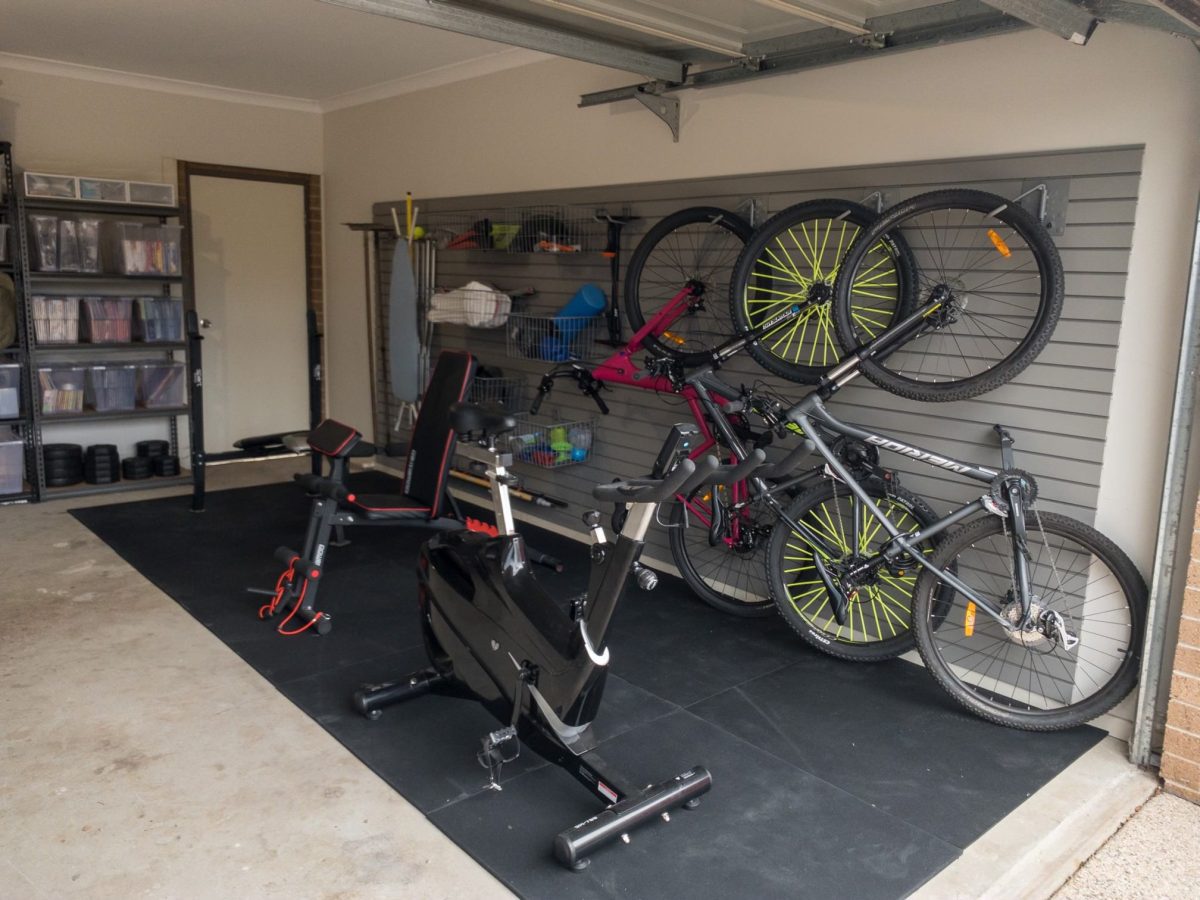
    For example, in a standard single garage wall (approx. 2.4m high × 3.6m wide), you can easily fit 3–4 bikes vertically using this method — and still have room underneath for bins or tool storage.

    The Most Space-Saving Way to Store a Bike

    🏁 Final Verdict: Go Vertical

    When it comes to saving space and keeping your garage or home organised, storing your bike upright and flat against the wall is the most efficient solution. It maximises vertical space, keeps the floor clear, and offers a safe, secure, and clean look — especially when combined with StoreWALL’s smart storage solutions.