
If you’ve ever opened your car door and gently “kissed” a garage wall… you already know this matters.
Whether you’re building a new home, renovating, or trying to optimise your existing space, understanding how much garage space you need to comfortably park your car is critical. It affects safety, convenience, resale value, and even how much storage you can realistically install.
This guide breaks down:
- Standard garage dimensions in Australia
- Different car sizes and what they require
- How much clearance you need to open doors
- Space for internal access doors
- How storage impacts parking space
- Practical layout recommendations
Let’s get into it.
Standard Garage Sizes in Australia
Most new homes in Australia include one of the following:
Single Garage (Common Size)
- Width: 3.0m – 3.5m
- Depth: 5.4m – 6.0m
- Door width: 2.4m – 2.7m
Double Garage (Common Size)
- Width: 5.5m – 6.0m
- Depth: 5.4m – 6.0m
- Door width: 4.8m – 5.4m
In many volume-built homes, garages are designed to technically fit cars — but not necessarily to open doors comfortably or allow for storage.
That’s where problems begin.
Step 1: Understand Your Car’s Actual Size
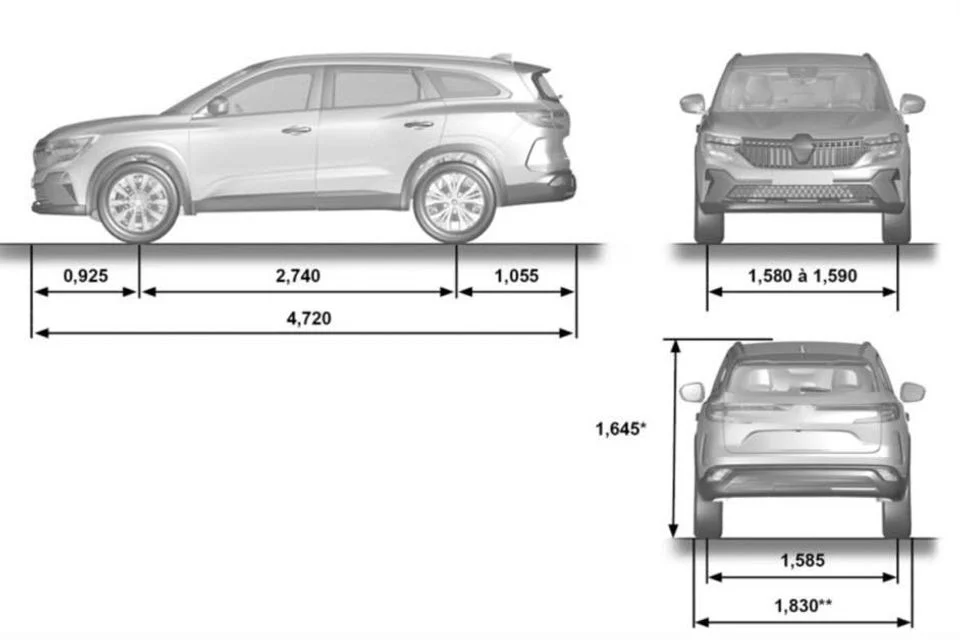
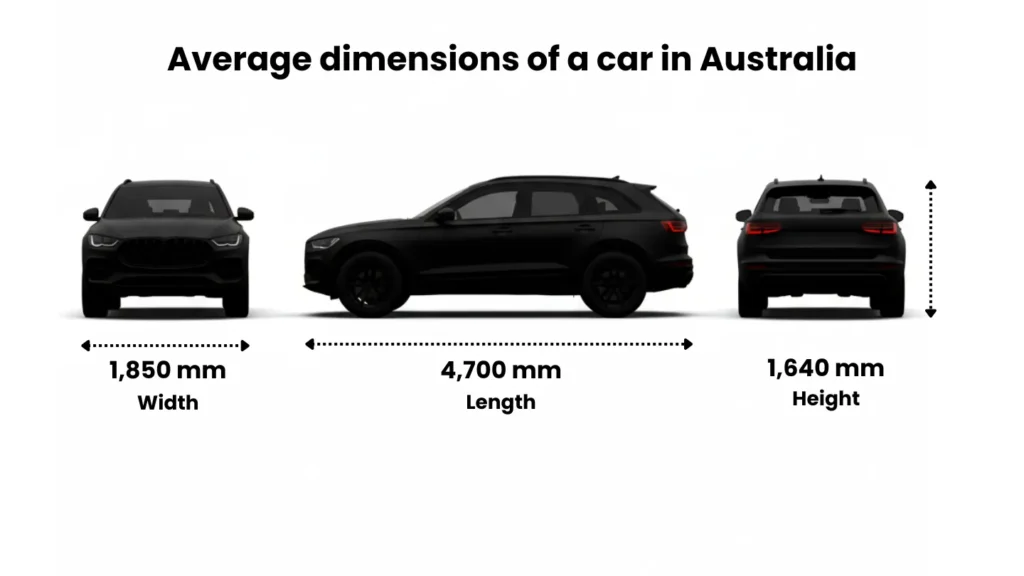
Here’s a quick breakdown of typical vehicle sizes in Australia:
Small Hatchback (e.g. Toyota Corolla)
- Length: ~4.3m
- Width (mirrors folded): ~1.8m
- Width (mirrors out): ~2.0m
Medium SUV (e.g. Mazda CX-5)
- Length: ~4.6m
- Width (mirrors folded): ~1.85m
- Width (mirrors out): ~2.1m
Large SUV / Dual Cab Ute (e.g. Ford Ranger)
- Length: ~5.3m
- Width (mirrors folded): ~1.9m
- Width (mirrors out): ~2.2m
You can see immediately: a 5.4m deep garage barely fits a modern dual cab ute.
 Step 2: Allow Space for Opening Doors
 Step 2: Allow Space for Opening Doors
This is the biggest oversight in garage planning.
To open a car door comfortably, you typically need:
- 600mm–750mm clearance per side for comfortable entry/exit
- Minimum 450mm per side for tight entry
So if your car is 1.9m wide:
1.9m car
- 0.6m left clearance
- 0.6m right clearance
= 3.1m minimum usable width
That means:
- A 3.0m wide garage is technically tight
- A 3.5m wide garage is far more practical
For a double garage, the issue becomes spacing between vehicles. You ideally want 800mm between cars if both drivers need regular access.
Step 3: Consider Garage Depth
Depth matters for:
- Walking in front of the car
- Accessing storage at the rear
- Closing the garage door safely
- Internal access doors
Recommended Depths
| Vehicle Type | Recommended Garage Depth |
|---|---|
| Small Car | 5.5m |
| Medium SUV | 5.8m |
| Dual Cab Ute | 6.2m+ |
If your garage is only 5.4m deep and you drive a 5.3m ute, you’ll barely clear the roller door.
That means no rear storage.
Step 4: Internal Access Door Considerations
In most Australian homes, you enter the house via an internal garage door — not the main garage door.
This means:
- You don’t rely on natural light
- You need clear walking space
- You need safe lighting
- You shouldn’t block this door with storage
Plan for at least 900mm walkway clearance between your parked car and the internal door.
If your car door swings into that space, you’ll feel it daily.
Step 5: Storage vs Parking Space
Garages are rarely just for cars anymore.
They store:
- Tools
- Bicycles
- Sporting gear
- Christmas decorations
- Lawn equipment
- Shelving
- Wall storage systems
The biggest mistake homeowners make is installing bulky floor shelving.
Floor storage eats into your parking clearance.
Smart Solution: Use Wall Space
Vertical wall storage systems (like slatwall or panel systems) allow you to:
- Keep floor space clear
- Maintain door opening clearance
- Store items above bonnet height
- Keep rear wall usable
If your garage is tight, wall-mounted storage becomes essential, not optional.
How Steep Driveways & Entry Angles Affect Parking Space
If you’re in a new estate or have a basement garage, driveway gradient matters.
Most passenger vehicles can comfortably manage:
- 12–15% driveway gradient
However, low-profile vehicles may scrape if:
- The transition angle is sharp
- The driveway meets the slab abruptly
Inside the garage, this can impact:
- Clearance under shelving
- Ramp entry positioning
- Door swing angle
If your driveway slopes down, allow extra depth so you’re not parking nose-to-wall.
Ideal Garage Dimensions (Future-Proofed)
If you are building new:
Single Garage (Comfortable Standard)
- 3.5m wide
- 6.0m deep
Double Garage (Comfortable Standard)
- 6.0m wide
- 6.0m deep
Premium / Large Vehicle Friendly
- 6.2m–6.5m deep
- 6.2m wide
This gives room for:
- Large SUVs
- Dual cabs
- Garage Wall Storage
- Comfortable entry/exit
How to Measure Your Garage Properly
- Measure wall-to-wall internal width
- Measure slab depth from rear wall to inside of door
- Account for:
- Storage depth (usually 300mm–500mm)
- Internal doors
- Hot water systems
- Switchboards
Then compare against your vehicle dimensions plus clearance allowances.
Quick Formula: Do I Have Enough Garage Space?
Garage Width Needed
= Car Width + 1.2m clearance
Garage Depth Needed
= Car Length + 600mm rear clearance
If you don’t meet those numbers, expect tight access.
Why This Matters for Resale
Buyers now commonly drive:
- SUVs
- Dual cabs
- Larger family vehicles
If a garage cannot comfortably fit modern vehicles, it becomes:
- A storage shed
- A negotiation point
- A perceived design flaw
Spacious garages are a selling feature.
Final Thoughts: Plan for Comfort, Not Just Fit
There’s a big difference between:
- “The car fits”
- “The garage works”
If you’re building, plan larger than you think you need.
If you’re renovating, prioritise vertical storage to reclaim space.
A well-planned garage:
- Protects your vehicle
- Improves daily convenience
- Increases property appeal
- Reduces clutter
And most importantly…
You’ll stop apologising to your car doors.