
Features, Advantages & Challenges Explained
Basement garages have become a popular design choice in modern residential construction across Australia, particularly in urban and high-density areas. With land becoming more valuable and lot sizes shrinking, building a garage below a home offers space-saving benefits, enhanced security, and potential cost efficiencies. But they come with their own set of design considerations — from driveway steepness to ventilation and waterproofing.
In this guide, we’ll explore:
- What basement garages are
- Their key features
- Advantages and disadvantages
- Access and driveway considerations
- How cars manage steep driveways
- Tips for managing common challenges
 What Is a Basement Garage?
 What Is a Basement Garage?
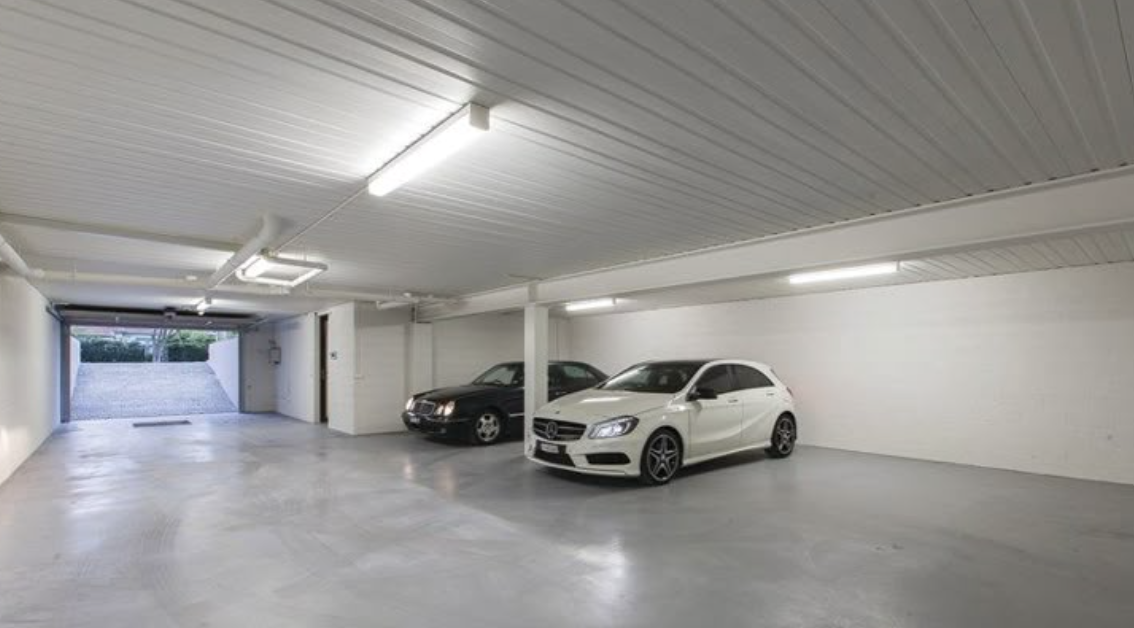
A basement garage is a parking area built below the main living level of a home. Unlike traditional front-facing garages, basement garages are typically accessed via a ramped driveway that leads below ground level.
Depending on the site and design, they can be:
- Fully underground
- Partially subterranean
- Integrated into multilevel homes
Basement garages may be attached or detached and are often paired with clever storage solutions like overhead racks, wall-mounted systems or integrated shelving.
Key Features of Basement Garages
1. Below-Ground Design
Most basement garages are located beneath the main home structure — maximising building footprint on compact lots.
2. Ramped Driveway Access
Access is usually via a sloping driveway that descends from street level to below ground.
3. Enhanced Security
Being enclosed and less visible from the street, basement garages provide improved security for cars and stored items.
4. Integrated Storage
Basement garages often include smart storage setups such as:
- Wall panels and hooks
- Overhead storage racks
- Cabinets and shelving
These help reduce clutter and make the most of vertical space.
5. Lighting & Ventilation
Because they are partially or fully below ground, good lighting and ventilation are essential for comfort and safety.
Advantages of Basement Garages
Space Optimisation
Basement garages allow living areas to sit above valuable ground-level space — ideal for smaller or narrower lots.
Security & Protection
Vehicles and belongings are shielded from weather, theft and vandalism better than street-facing garages.
Improved Street Aesthetics
Since they’re mostly hidden, basement garages preserve the visual appeal of the street frontage.
Potential for Additional Storage
Basement garages can double as storage zones for tools, equipment, bikes, gyms and outdoor gear — especially with modern wall and ceiling organisation systems.
Climate Protection
Vehicles stored underground are cooler in summer and less exposed to sun, rain and hail damage.
Disadvantages & Challenges of Basement Garages
While they offer benefits, basement garages also present challenges:
1. Cost
Building below ground can increase construction costs due to excavation, waterproofing and reinforcement.
2. Water Proofing & Drainage
Basement garages require effective water drainage solutions to prevent flooding and dampness.
3. Driveway Steepness
Access ramps may be steep, presenting challenges for some vehicles and drivers (more on this below).
4. Ventilation Requirements
Good airflow is crucial — especially if the garage is fully enclosed — to manage car emissions and moisture.
5. Lighting Needs
Basement spaces can be dim — integrated lighting and smart design are essential.
Access to a Basement Garage — What It’s Like
Access to a basement garage is generally via a sloping driveway, which may vary in steepness depending on the site and local council requirements.
Key considerations include:
- Driveway gradient
- Turning radius
- Headroom clearance
- Drainage at the base
- Surface finish (concrete, pavers, etc.)
Most modern homes are designed to meet local council slope and safety guidelines, ensuring comfortable access for cars and pedestrians.
Driveway Steepness — How Cars Manage It
One of the most common questions about basement garages is: “Will my car handle the slope?”
Understanding Driveway Gradients
Driveway gradients are typically expressed as a ratio (e.g., 1:6) or as a percentage.
- Gentle slope: Easier for most vehicles
- Steeper slope: May challenge long vehicles with low clearance
Most residential vehicles can manage slopes between 10–20% gradient without issue, but several factors affect drivability:
Key Factors That Affect Car Performance on Slopes
- Vehicle clearance: Low sports cars must proceed carefully
- Wheelbase: Longer vehicles may scrape on steep transitions
- Suspension: Softer suspension helps avoid bottoming out
- Speed: Slow and controlled descent is essential
- Surface traction: Smooth, non-slippery surfaces improve safety
Designers often include transition curves — slight vertical curves where the driveway meets the road — to reduce scraping risk.
Managing Basement Garage Challenges
Here are practical strategies for common issues:
1. Waterproofing & Drainage Solutions
- Install drainage channels and sump pumps
- Ensure driveway slopes direct water away from the entry
- Use waterproof membranes and sealants
2. Lighting & Ventilation
- Include natural light where possible
- Use quality LED lighting systems
- Consider mechanical vents if enclosed
3. Storage & Organisation
Basement garages tend to accumulate clutter — especially with tools, bikes, sports gear, garden equipment and seasonal storage.
Organisational upgrades include:
- Heavy-duty wall panels
- Overhead racks
- Shelving units
- Tool boards and hooks
These maximise floor space and keep the area functional.
Design Tips for Basement Garages
- Plan for future storage needs
- Ensure slopes meet local building codes
- Provide adequate lighting and ventilation
- Select non-slip driveway finishes
- Use durable wall systems for organisation
Well-designed basement garages can be highly functional, secure and visually clean — especially when integrated with smart storage solutions.
Conclusion: Are Basement Garages Worth It?
Basement garages are a smart solution for modern homes with limited ground-level space. They deliver:
- Secure, weather-protected parking
- Increased usable space above ground
- Enhanced property aesthetics
- High storage potential
While they come with additional design and construction considerations, careful planning — especially around access, drainage, ventilation and organisation — ensures they remain one of the most versatile features of contemporary homes.