
Drilling into brick or masonry is very different to drilling into timber, plasterboard, or steel. Many DIYers assume a standard power drill will do the job, only to find the bit overheating, the hole drifting off-centre, or progress grinding to a halt altogether. This is where a hammer drill becomes essential—and where the right masonry drill bit makes all the difference.
Why a Regular Drill Struggles with Brick
A standard power drill works by rotating the drill bit to cut through material. This method is effective for softer materials like wood or metal, but brick and masonry are dense and brittle, designed to resist wear and impact.
When using a regular drill on brick:
- The bit relies purely on friction and cutting
- Heat builds up quickly, dulling the bit
- The drill can “polish” the surface instead of penetrating it
- Holes often wander, making fixings less secure
The result is slower drilling, uneven holes, and a higher risk of damaging both the drill bit and the wall.
What a Hammer Drill Does Differently
A hammer drill combines rotational motion with a rapid hammering action. This hammering motion creates small, repeated impacts that help fracture the brick or masonry while the bit rotates and clears debris.
In simple terms:
- The hammer action breaks up the brick
- The rotation removes material efficiently
- Less pressure is required from the user
- Holes are drilled faster and more accurately
For tasks like mounting wall panels, shelves, or heavy-duty garage storage systems, a hammer drill ensures fixings are seated correctly and securely.
 Why 4-Cutter (4-Cross) Masonry Bits Are Better
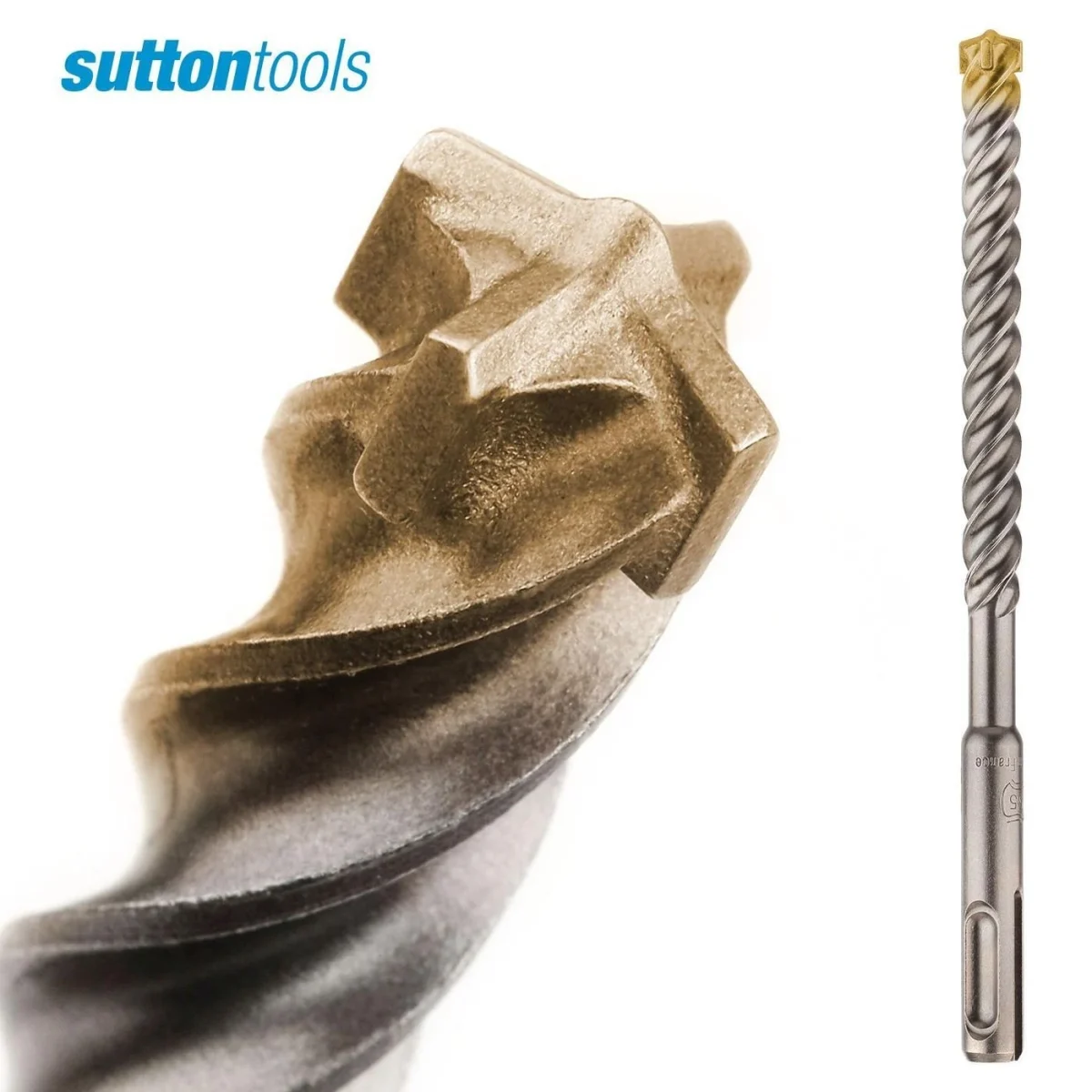
Not all masonry drill bits are created equal. Traditional masonry bits typically feature a 2-cutter tip, which can cause vibration, chipping, and uneven holes—especially in harder brick or concrete.
4-cutter masonry bits (also known as 4-cross or quad-head bits) offer several advantages:
1. Cleaner, More Accurate Holes
The four cutting edges stay centred as the bit drills, reducing wobble and producing cleaner, rounder holes.
2. Less Vibration and Chipping
With cutting forces spread evenly across four edges, there’s less stress on the brick, helping prevent cracking or blow-out.
3. Faster Drilling in Hard Masonry
4-cutter bits are designed to work efficiently with hammer drills, allowing the bit to break and clear material more effectively.
4. Longer Bit Life
Because the load is distributed across multiple cutting edges, wear is reduced, meaning the bit stays sharper for longer—especially important when drilling multiple holes.
The Right Combination for Safe, Secure Fixing
When drilling into brick walls—particularly for load-bearing installations like garage wall storage—the best results come from:
- A hammer drill with the hammer function engaged
- A high-quality 4-cutter masonry bit
- Correct hole depth and appropriate wall fixings
This combination ensures fixings sit properly in the wall, reducing the risk of movement, loosening, or failure over time.
Hammer Drill Tips
-
Cordless vs. corded: Cordless drills offer greater flexibility and are ideal for most DIY jobs, but corded versions often give stronger sustained power for repetitive masonry drilling.
-
Brushless motors: These are more efficient, run cooler and deliver better battery life.
-
SDS or standard chuck: For frequent heavy masonry work, an SDS-plus rotary hammer like the Makita model handles tough brick and concrete more effectively.
- You can find a great and broad range at your local hardware store. Check out Bunnings and Total Tools.
Final Thoughts
Using the wrong tool for masonry isn’t just inefficient—it can compromise the strength and safety of what you’re installing. A hammer drill paired with a 4-cutter masonry bit delivers faster drilling, cleaner holes, and more reliable fixings, making it the correct choice for brick walls every time.
Whether you’re installing shelving, wall panels, or heavy-duty storage systems, investing in the right drilling setup pays off in performance, durability, and peace of mind.