Access an Additional $20 Off All 2438mm Wall Panels!
CALL US

0411 280 646

Categories
Garage Walls PVC vs MDF Slatwall

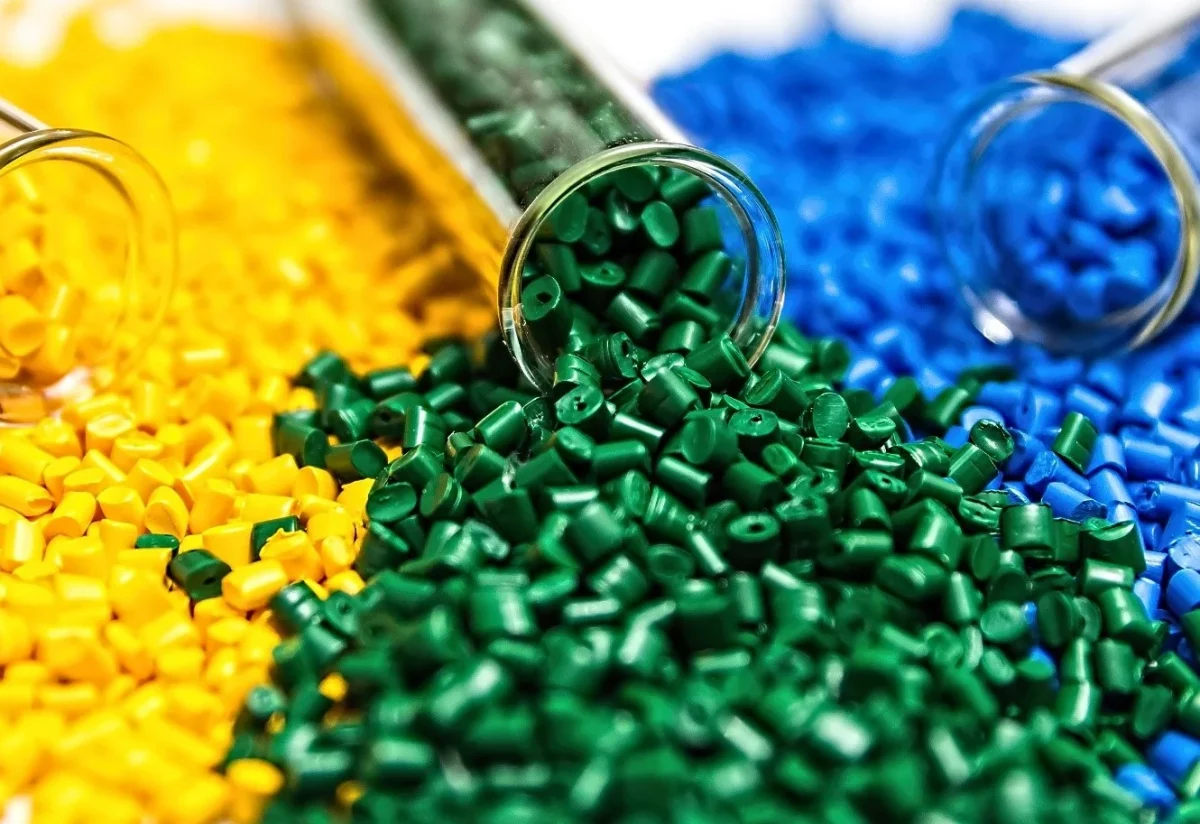
How PVC Is Made

And How It’s Engineered for Strength, Pressure, Heat, and Wall Panel Systems

Polyvinyl chloride (PVC) is one of the most widely used plastics in the world, not just because it’s affordable, but because it can be engineered for radically different applications — from pressure-rated hot water pipes to high-load wall panels and slatwall storage systems.

This article explores:

  • How PVC is manufactured
  • The industrial processes used to strengthen it
  • How PVC is adapted for pressure and hot water
  • And how PVC wall panels and PVC slatwall systems are engineered for load-bearing, impact resistance, and long-term durability

What Is PVC?

meaning it softens when heated and hardens when cooled. On its own, raw PVC resin is rigid and brittle — its real versatility comes from additives, processing methods, and post-production treatments.

This is why PVC can exist as:

  • Flexible cable insulation
  • Rigid plumbing pipe
  • Structural wall panels
  • Heavy-duty slatwall systems designed to hold tools, bikes, and storage loads

Raw Materials and Chemical Foundations

PVC starts with two main ingredients:

  • Chlorine (derived from salt)
  • Ethylene (from natural gas or petroleum)

These are chemically combined to produce vinyl chloride monomer (VCM), which is then polymerized into PVC resin.

Polymerization: Turning VCM into PVC Resin

PVC resin is created by linking thousands of VCM molecules together in a process called polymerization.

The most common method is suspension polymerization, producing uniform resin particles that are later compounded with additives depending on the end use — pipe, panels, or profiles.

Compounding: Where PVC Gets Its Personality

PVC resin becomes useful only after compounding — blending it with additives that define its performance.

Common additives include:

  • Heat stabilizers – prevent breakdown during processing
  • Impact modifiers – improve toughness and crack resistance
  • Lubricants – assist extrusion and surface finish
  • Fillers – improve stiffness and dimensional stability
  • UV inhibitors – protect against sunlight exposure

For PVC wall panels and slatwall, impact resistance, rigidity, and long-term creep resistance are far more important than flexibility.

Industrial Processing Methods That Shape PVC Products

Extrusion: The Backbone of PVC Panels and Slatwall

Most PVC wall panels and slatwall systems are made using extrusion.

In this process:

  1. Compounded PVC is heated until molten
  2. It is forced through a precision die
  3. The profile is cooled and calibrated to final dimensions

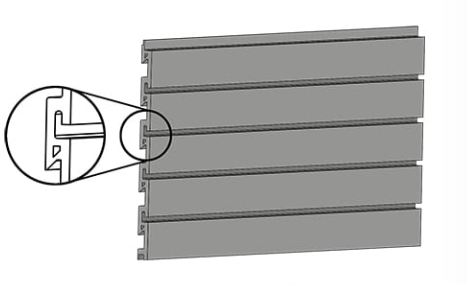
For slatwall, the die design is critical — internal ribs, wall thickness, and slot geometry determine load capacity and stiffness.

Controlled Cooling: Strength Is Set Here

Cooling isn’t just about solidifying shape — it controls internal stress and molecular alignment.

  • Uneven cooling can create weak points
  • Controlled cooling improves dimensional accuracy and long-term strength
  • High-quality wall panels use staged cooling baths and calibration tooling

This is especially important for slatwall systems that must support static and dynamic loads over many years.

How PVC Is Made Stronger — Key Engineering Techniques

1. Additive Engineering for Structural Performance

PVC wall panels and slatwall typically use rigid PVC (uPVC) with:

  • High impact modifiers
  • Minimal plasticizers (to prevent sagging)
  • Reinforced internal geometries

These formulations are closer to structural PVC than decorative plastic.

2. Profile Design & Internal Geometry

Strength isn’t only chemical — it’s mechanical.

PVC slatwall panels rely on:

  • Ribbed internal structures
  • Optimised wall thickness
  • Load-spreading slot designs

This allows panels to carry heavy point loads (hooks, shelves, cabinets) without cracking or deforming.

3. Compression & Calibration During Extrusion

During extrusion, panels pass through vacuum calibration tables that:

  • Apply controlled compression
  • Lock in precise dimensions
  • Improve density and surface integrity

This compression improves stiffness without making panels brittle.

4. Heat Treatment & Stress Relief

Some PVC profiles undergo post-extrusion heat stabilization:

  • Relieves residual stresses
  • Improves long-term dimensional stability
  • Reduces warping over time

This matters for wall systems installed over large areas or onto imperfect wall substrates.

How PVC Material Is MadePVC for Pressure and Hot Water — What Changes?
PVC used for pressure piping and hot water systems requires different enhancements:

Chlorinated PVC (PVC-C)

  • Additional chlorine increases heat resistance
  • Can handle significantly higher operating temperatures
  • Used in hot water and industrial piping

Oriented PVC (PVC-O)

  • Molecular chains are mechanically aligned
  • Dramatically increases tensile strength and impact resistance
  • Used for high-pressure water mains

While wall panels don’t require pressure ratings, many strengthening principles overlap — especially controlled cooling, molecular alignment, and additive selection.

PVC Wall Panels: Why the Material Works So Well

PVC is ideal for wall panels because it offers:

  • High impact resistance
  • Moisture and mould resistance
  • Dimensional stability
  • Easy cleaning and low maintenance
  • Consistent extrusion quality

In garages, workshops, and utility spaces, PVC panels outperform MDF or plasterboard when exposed to:

  • Humidity
  • Temperature changes
  • Mechanical impacts
  • Heavy storage loads

PVC Slatwall: A Structural Application of PVC

PVC slatwall is one of the most demanding uses of rigid PVC.

To perform well, slatwall panels must:

  • Support concentrated loads
  • Resist slot deformation
  • Maintain rigidity over time
  • Accept repeated accessory insertion and removal

This is achieved through:

  • Rigid uPVC formulations
  • Reinforced slot profiles
  • Tight manufacturing tolerances
  • Quality-controlled extrusion and cooling

Well-made PVC slatwall is closer to engineered plastic infrastructure than decorative wall lining.
 

Categories
PVC vs MDF Slatwall Slatwall

The Benefits of PVC-Based Slatwall Panels for Efficient and Stylish Storage Solutions

In the realm of modern storage and organization, PVC-based slatwall panels are becoming increasingly popular for their versatility, durability, and aesthetic appeal. These panels offer an ingenious solution to cluttered spaces, particularly in retail, workshops, garages, and even home interiors. This article explores the numerous benefits of PVC-based slatwall panels and why they are an excellent choice for both commercial and residential storage needs.

1. Durability and Longevity

Resistant to Wear and Tear: PVC, or polyvinyl chloride, is known for its strength and durability. PVC-based slatwall panels can withstand significant wear and tear, making them ideal for high-traffic areas or spaces that require storing heavy items.

Moisture and Rot Resistant: Unlike traditional wood or MDF (Medium-Density Fiberboard) panels, PVC is impervious to moisture and humidity. This resistance to water ensures that the panels do not rot, warp, or swell, maintaining their structural integrity over time.

2. Versatility in Usage

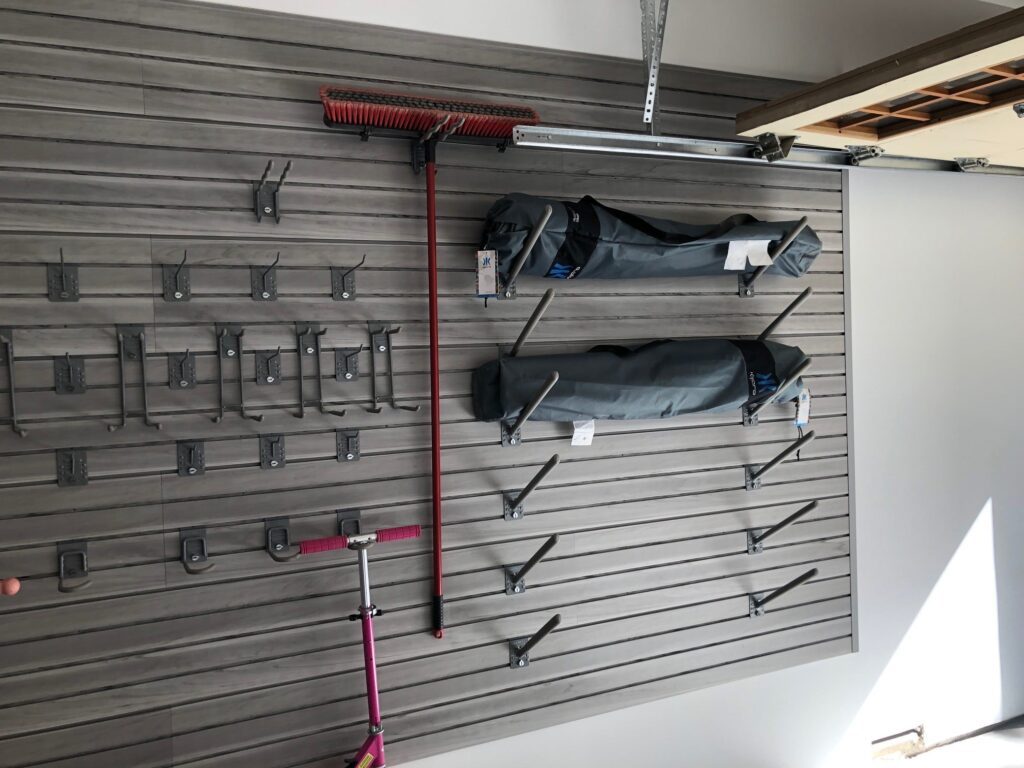
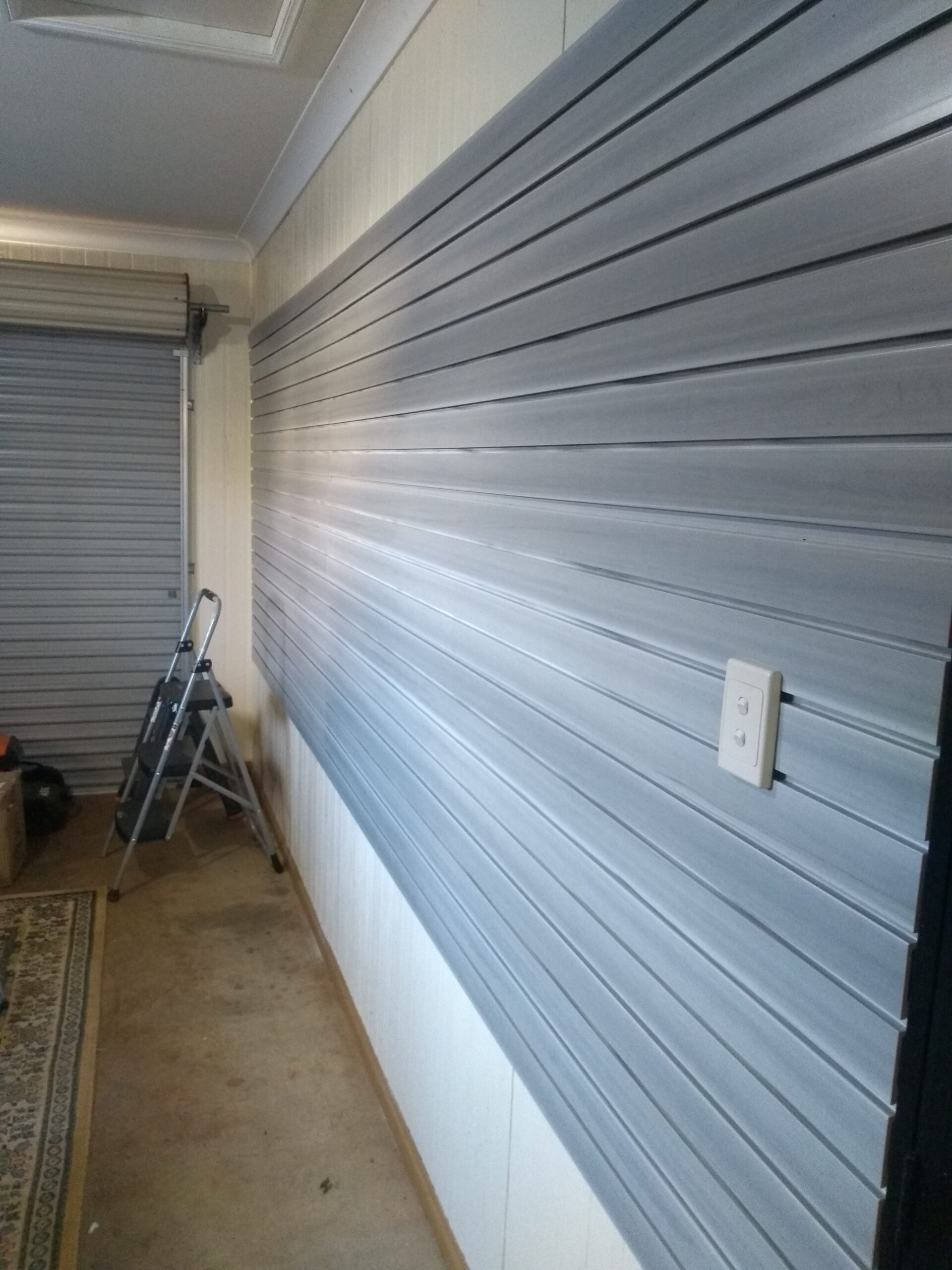
Customizable Storage Solutions: PVC slatwall panels are equipped with horizontal grooves that can accommodate a variety of hooks, shelves, bins, and racks. This versatility allows users to customize their storage setup to fit their specific needs and can be easily reconfigured as those needs change.

Wide Range of Applications: From displaying products in retail stores to organizing tools in a garage, PVC slatwalls are adaptable to a multitude of environments and purposes.

3. Aesthetic Appeal

Sleek and Modern Look: PVC slatwalls offer a clean and modern look that can enhance the aesthetic of any space. With a variety of finishes and colors available, they can be seamlessly integrated into any interior design scheme.

Hide Clutter Effectively: By providing a designated space for each item, these panels help in maintaining an organized and clutter-free environment, which is visually pleasing and easier to navigate.

4. Space Efficiency

Maximizing Wall Space: PVC slatwall panels are an excellent way to utilize vertical space effectively, especially in areas where floor space is limited. By organizing items vertically, these panels free up valuable floor space.

5. Easy Installation and Maintenance

Simple Set-Up: Installing PVC slatwall panels is relatively straightforward, making them a viable option for DIY enthusiasts. The panels can be cut to fit any space and are generally easy to mount.

Low Maintenance: PVC panels require minimal upkeep. They are easy to clean and do not need any special treatments or coatings to maintain their appearance and functionality.

6. Cost-Effective

Affordable Storage Solution: While offering a multitude of benefits, PVC slatwall panels are also cost-effective. Their durability means less frequent replacements, and their flexibility reduces the need for additional storage furniture or systems.

Conclusion

PVC-based slatwall panels present a compelling solution for efficient, durable, and aesthetically pleasing storage. Their adaptability to various environments, combined with the ease of installation and maintenance, makes them an ideal choice for both residential and commercial spaces. As storage needs continue to evolve, PVC slatwalls stand out as a practical, stylish, and economical option that meets the dynamic requirements of modern organization and display.

Categories
Garage Ideas garage wall panel colours Garage Walls Slatwall StoreWALL

PVC Slatwall Panels

The Benefits of PVC-Based Slatwall Panels

In the realm of modern storage and organization, PVC slatwall panels are becoming increasingly popular for their versatility, durability, and aesthetic appeal. These panels offer an ingenious solution to cluttered spaces, particularly in retail, workshops, and garages. This article explores the numerous benefits of PVC-based slatwall panels and why they are an excellent choice for both commercial and residential storage needs.

Durability and Longevity

Resistant to Wear and Tear: PVC, or polyvinyl chloride, is known for its strength and durability. PVC slatwall panels can withstand significant wear and tear, making them ideal for high-traffic areas or spaces that require storing heavy items.

Moisture and Rot Resistant: Unlike traditional wood or MDF (Medium-Density Fiberboard) panels, PVC is impervious to moisture and humidity. This resistance to water ensures that the panels do not rot, warp, or swell, maintaining their structural integrity over time.

Versatility in Usage

Customizable Storage Solutions: PVC-based wall panels are equipped with horizontal grooves that can accommodate a variety of hooks, shelves, bins, and racks. This versatility allows users to customize their storage setup to fit their specific needs and can be easily reconfigured as those needs change.

Wide Range of Applications: From displaying products in retail stores to organizing tools in a garage, PVC slatwalls are adaptable to a multitude of environments and purposes.

pvc garage wall panels

Aesthetic Appeal

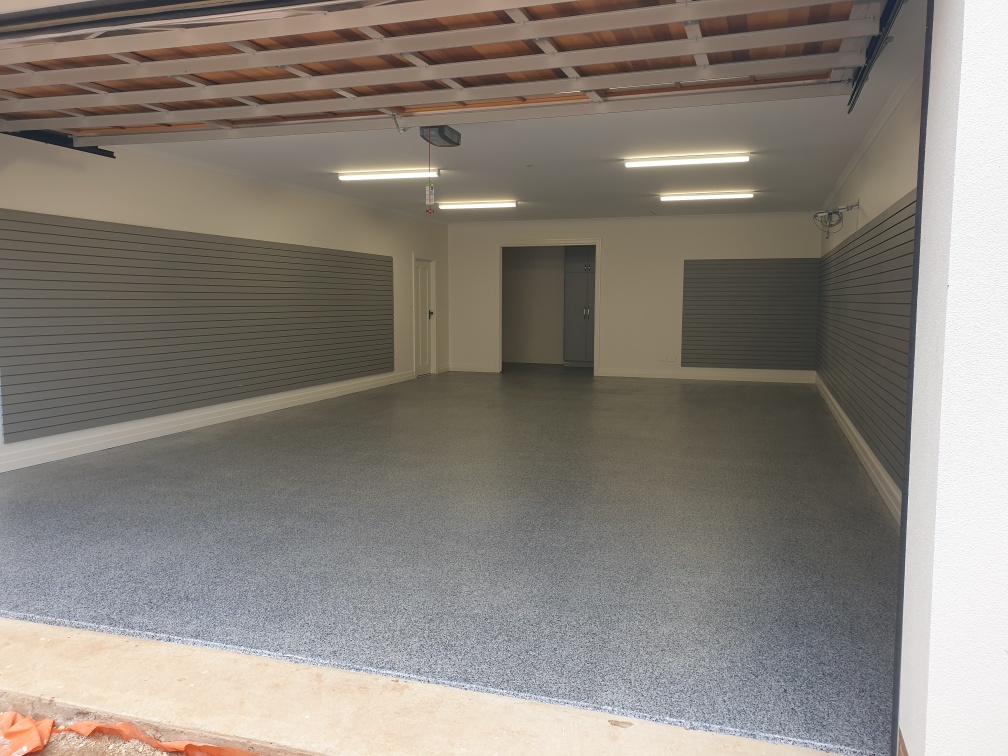
Sleek and Modern Look: PVC wall panels offer a clean and modern look that can enhance the aesthetic of any space. With a variety of colors available, they can be seamlessly integrated into any interior design scheme. Checkout our garage gallery for examples of Australian homes using StoreWALL’s garage wall panels.

Hide Clutter Effectively: By providing a designated space for each item, these panels help maintain an organized and clutter-free environment, which is visually pleasing and easier to navigate.

Space Efficiency

Maximizing Wall Space: PVC garage wall panels are an excellent way to utilize vertical space effectively, especially in areas where floor space is limited. By organizing items vertically, these panels free up valuable floor space. Think about ladders, bikes, tubs, and sports equipment. Off the floor and onto the wall makes good sense.

Easy Installation and Maintenance

Simple Set-Up: Installing PVC slatwall panels is relatively straightforward, making them a viable option for DIY enthusiasts. The panels can be cut to fit any space and are generally easy to mount.

Low Maintenance: PVC garage panels require minimal upkeep. They are easy to clean and do not need any special treatments or coatings to maintain their appearance and functionality.

Cost-Effective

Affordable Storage Solution: While offering a multitude of benefits, PVC slatwall panels are also cost-effective. Their durability means they can last a lifetime, and their flexibility reduces the need for additional storage furniture or systems.

PVC Slatwall Panels – Verdict

PVC-based slatwall panels present a compelling solution for efficient, durable, and aesthetically pleasing storage. Their adaptability to various environments, combined with the ease of installation and maintenance, makes them an ideal choice for both residential and commercial spaces. As storage needs continue to evolve, PVC slatwalls stand out as a practical, stylish, and economical option that meets the dynamic requirements of modern organization and display.