Access an Additional $20 Off All 2438mm Wall Panels!
CALL US

0411 280 646

Categories
garage design Garage Hooks Garage Ideas garage makeover Garage Walls Sports Ball Storage Sports Equipment StoreWALL Workbench

How to Organise a New Garage

How to Organise a New Garage

7 Things to Do Before You Move In

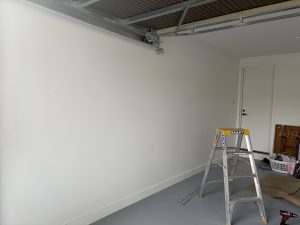
Moving into a new home is one of the few times in life you get to start from scratch. Every room is clean. Every wall is bare. The garage, especially, is a blank canvas — and it won’t stay that way for long.

Most people wait until after moving in to think about garage storage. By then, bikes are already propped against the wall, tools are in a pile on the floor, and there’s a cardboard box graveyard in the corner that no one wants to deal with. The garage becomes a dumping ground because there was no system in place before the dumping started.

The solution is simple: plan your garage storage before moving day. It takes a few hours, costs nothing extra if you buy the right system from the start, and it’s the single best thing you can do to keep your new home organised for years to come.

Here’s exactly what to do — in order.

“Every hook, shelf, and bin in a slatwall system slides in without tools. You can rearrange the entire wall in an afternoon as your life changes.”
How to Organise a New Garage

MEASURE YOUR WALLS BEFORE YOU BUY ANYTHING

Grab a tape measure and spend fifteen minutes in the empty garage. Write down the usable wall width on every wall — accounting for the garage door track, any windows, and the internal door. In a standard double garage, you’ll usually have 5–6 metres of usable wall space. A single garage gives you roughly 2.5–3.5 metres.

Also measure the wall height from floor to ceiling, and note the position of power points and lights. This tells you how many panel rows you can fit and where your working zone sits (typically 1–2 metres off the floor for tools and bikes).

DECIDE WHAT YOU’RE STORING — BEFORE CHOOSING ACCESSORIES

This sounds obvious, but most people skip it. They buy a bundle of hooks and figure it out later. The result is a wall full of accessories that don’t quite match what they need.

Instead, write a quick list of every category of item that will live in the garage: bikes, power tools, garden tools, sports gear, camping equipment, cleaning supplies, the lawn mower. Then sort the list into two groups: daily use (goes at eye level, easy to grab) and occasional use (can go up high or in a corner).

That list is your accessory shopping list. Work from it, not from what looks good in a photo.

ASK YOUR BUILDER TO ENSURE STUDS ARE CENTERED 450MM APART.

If your new home is still under construction, this is a tip that takes thirty seconds to ask for and delivers a sturdier and stronger garage wall on which to install any garage storage solution.

450mm gap between studs which is standard inside the home ensure more installstrips per wall panel and therefore a more robust garage wall storage solution.

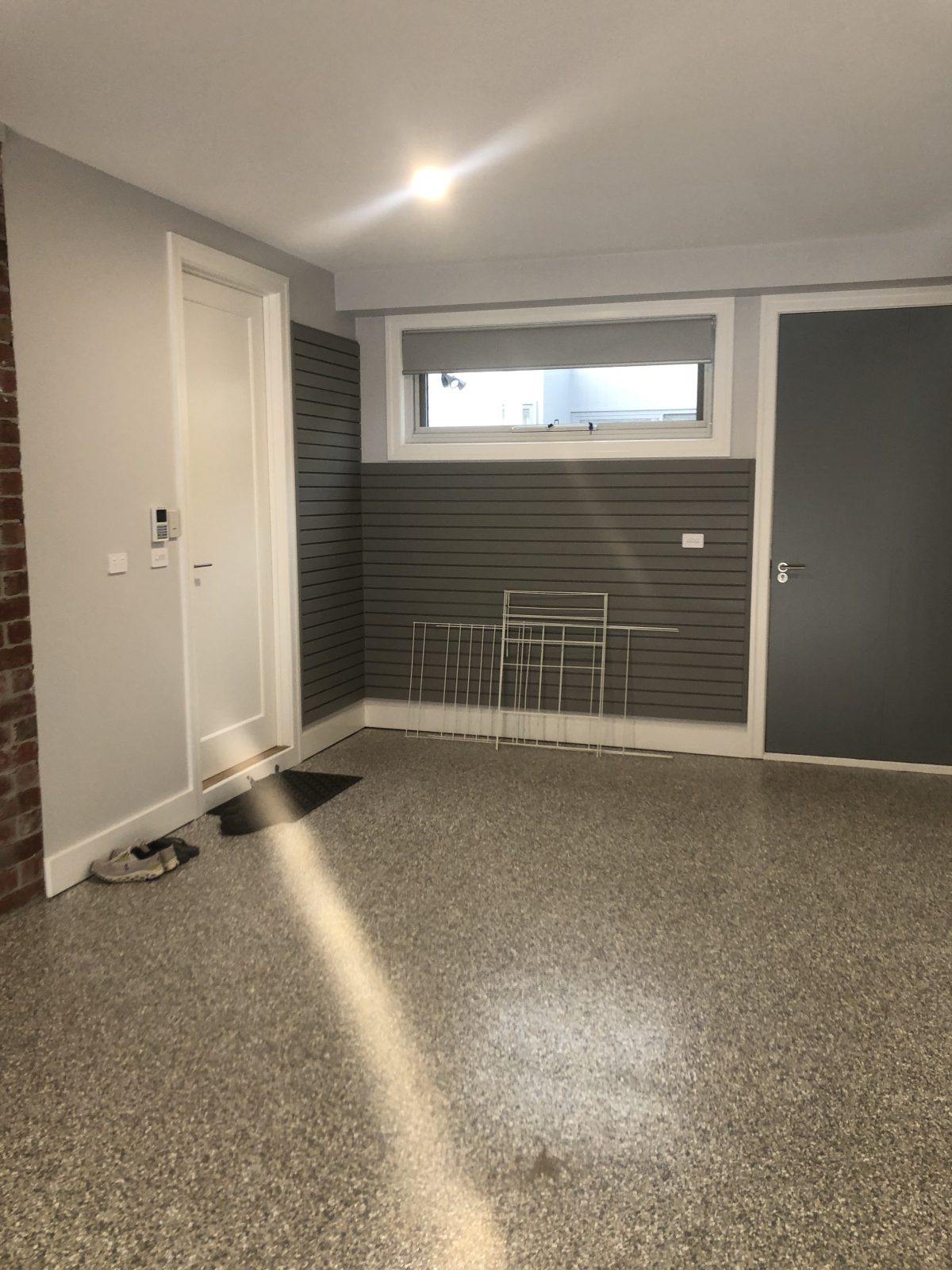
INSTALL YOUR WALL PANELS BEFORE THE FIRST BOX ARRIVES

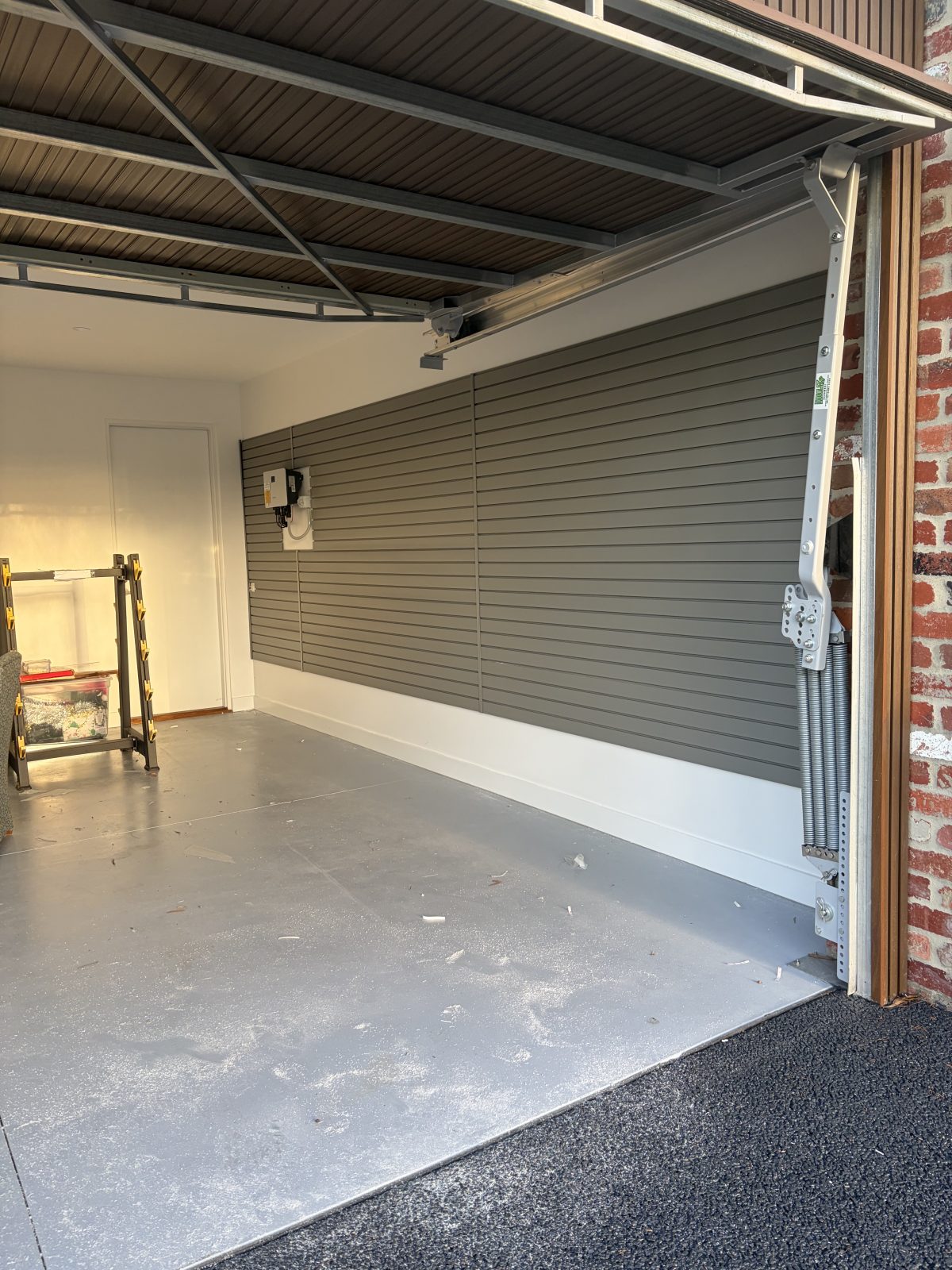
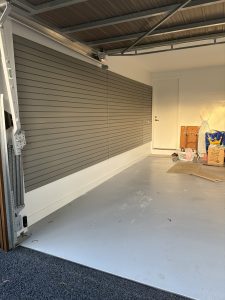
A StoreWALL installation on a single wall takes two to three hours for two people. You need a impact driver (drill), a spirit level, a stud finder, and the right fixing screws for your wall type. The panels go up one row at a time — perfectly level, anchored to studs or masonry, clipped together at the joints.

Once the panels are up, every hook, shelf, bin, and bracket slides onto the rails without any additional drilling. That means you can change the layout as many times as you want without touching a drill again.

The key is to get the panels up before your garage fills up. Working in an empty garage is significantly easier than trying to measure and drill around bikes, tools, and boxes.
How to organise a new garage

START WITH BIKES — THEY’RE THE HARDEST THING TO STORE ON THE FLOOR

Bikes take up more floor space per item than almost anything else in a garage. Two adult bikes leaning against a wall can block a third of a single garage’s floor space. Getting them on the wall immediately changes how usable the garage is.

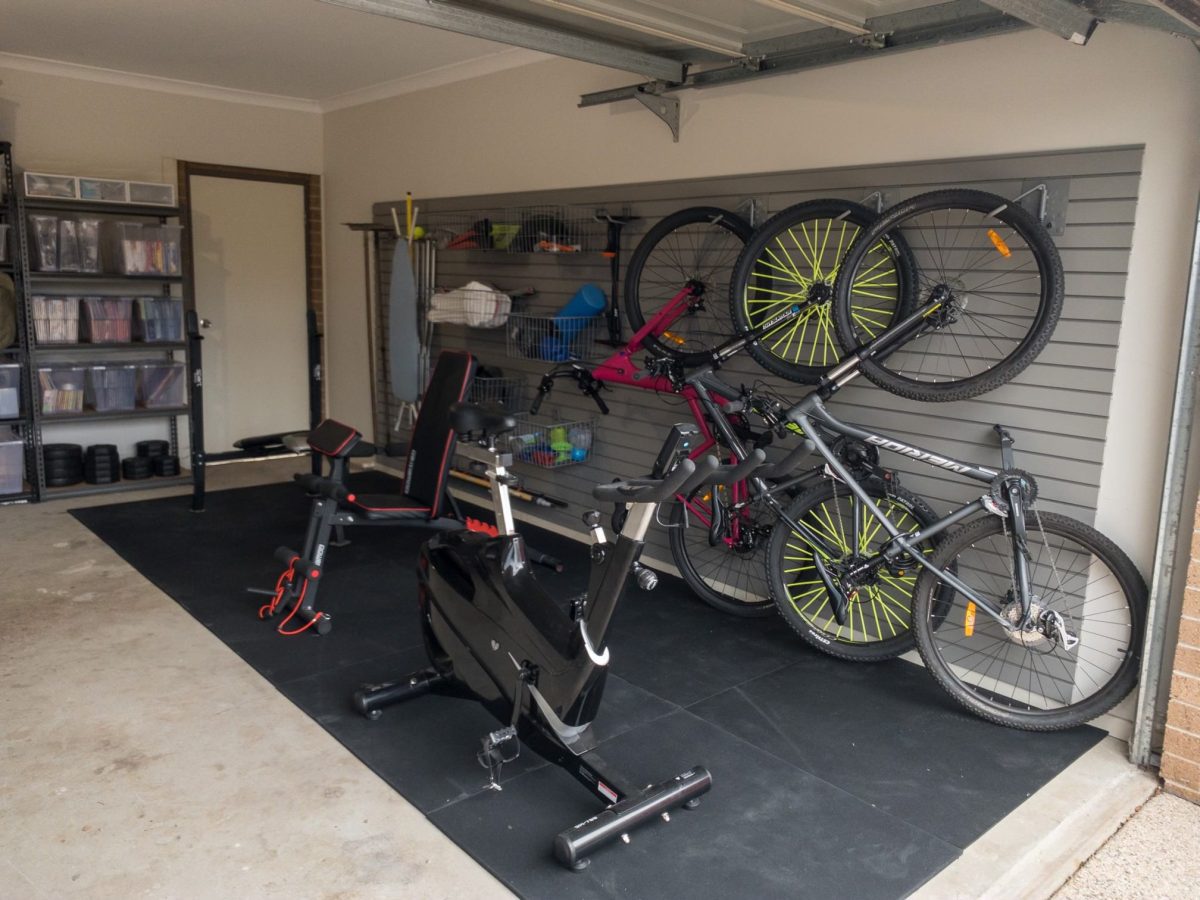
For a double garage with two or more bikes, rotating bike hooks are the most space-efficient option — they fold the bike horizontal to the wall, staggering front and back wheels so two bikes can hang in the space of one. A J hook is ideal for a single bike or a child’s bike at a lower height.

CREATE ONE DEDICATED TOOL ZONE

New homeowners often make the mistake of spreading tools all over the wall — a hook here, a bin there, a shelf in a random spot. A year later, you can’t find anything and the wall looks chaotic.

Instead, dedicate a single zone (usually the centre section of the back wall, around 1–1.5m wide) to your tool setup. A shelf at workbench height holds items you use while standing. Hooks below keep drills, saws, and hand tools visible and reachable. Bins above hold bits, fasteners, batteries, and small accessories.

Keeping everything in one zone means you always know where to look, and you build a mental map of the wall quickly.

LEAVE ROOM TO GROW — DON’T FILL EVERY SLOT IMMEDIATELY

When you install a new garage storage system, the temptation is to fill every available inch immediately. Resist this. Your storage needs will change — a new baby means a pram and a balance bike. A new hobby means camping gear or surfboards or craft supplies. A new car might need its own space.

A slatwall system’s great advantage is that it grows with you. Leave a section of your panels empty for six months and you’ll quickly discover exactly what needs to live there. Accessories slide in and out in seconds — there’s no wrong answer, and no permanent commitment.

The only rule: get the panels on the wall now, while the garage is empty. Everything else is flexible.

“The garage you set up in week one becomes the garage you have for the next five years. It takes a weekend to get right — and it’s worth every hour.”

THE BOTTOM LINE

A new home garage is a rare opportunity. You have a blank wall, no existing clutter, and a fresh start. Spending a few hours before moving day — measuring, planning, and installing a wall panel system — sets you up for a garage that stays organised as your family grows and your storage needs change.

Most new homeowners spend money on furniture, appliances, and garden plants in the first month. The garage comes last. But the garage is where you make most of your mess — and where the right system makes daily life genuinely easier.

Start with the panels. Get the bikes up. Build the tool zone. Leave room to grow. That’s it.
Categories
Best Garage Storage Solutions for 2024 garage design Garage Hooks Garage Ideas Garage lighting ideas garage makeover

How Much Space Do You Need to Park a Car in Your Garage?

If you’ve ever opened your car door and gently “kissed” a garage wall… you already know this matters.

Whether you’re building a new home, renovating, or trying to optimise your existing space, understanding how much garage space you need to comfortably park your car is critical. It affects safety, convenience, resale value, and even how much storage you can realistically install.

This guide breaks down:

  • Standard garage dimensions in Australia
  • Different car sizes and what they require
  • How much clearance you need to open doors
  • Space for internal access doors
  • How storage impacts parking space
  • Practical layout recommendations

Let’s get into it.

Standard Garage Sizes in Australia

Most new homes in Australia include one of the following:

Single Garage (Common Size)

  • Width: 3.0m – 3.5m
  • Depth: 5.4m – 6.0m
  • Door width: 2.4m – 2.7m

Double Garage (Common Size)

  • Width: 5.5m – 6.0m
  • Depth: 5.4m – 6.0m
  • Door width: 4.8m – 5.4m

In many volume-built homes, garages are designed to technically fit cars — but not necessarily to open doors comfortably or allow for storage.

That’s where problems begin.

Step 1: Understand Your Car’s Actual Size

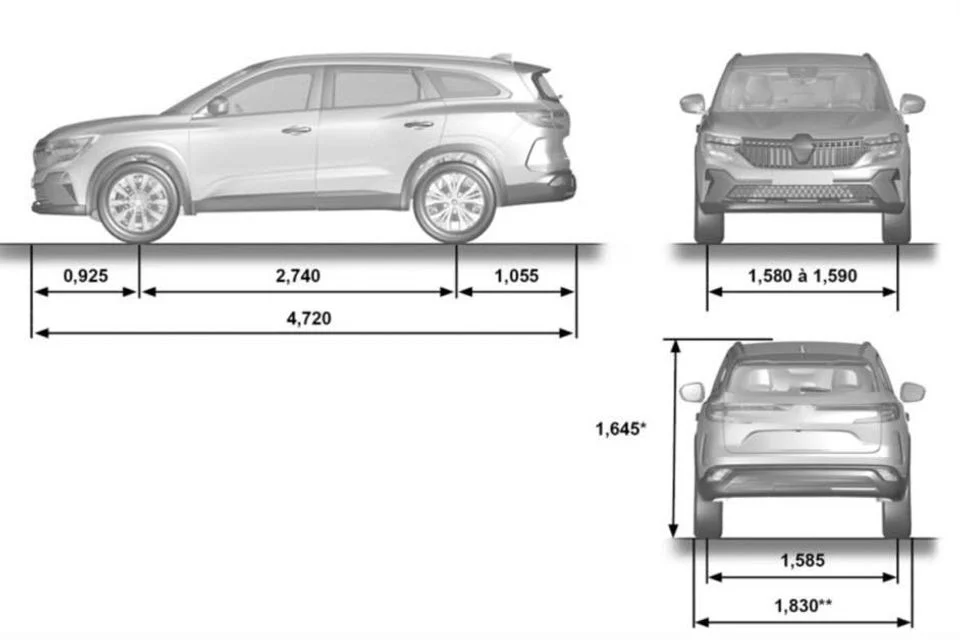
Here’s a quick breakdown of typical vehicle sizes in Australia:

Small Hatchback (e.g. Toyota Corolla)

  • Length: ~4.3m
  • Width (mirrors folded): ~1.8m
  • Width (mirrors out): ~2.0m

Medium SUV (e.g. Mazda CX-5)

  • Length: ~4.6m
  • Width (mirrors folded): ~1.85m
  • Width (mirrors out): ~2.1m

Large SUV / Dual Cab Ute (e.g. Ford Ranger)

  • Length: ~5.3m
  • Width (mirrors folded): ~1.9m
  • Width (mirrors out): ~2.2m

You can see immediately: a 5.4m deep garage barely fits a modern dual cab ute.

australian vehicle dimensionsStep 2: Allow Space for Opening Doors

This is the biggest oversight in garage planning.

To open a car door comfortably, you typically need:

  • 600mm–750mm clearance per side for comfortable entry/exit
  • Minimum 450mm per side for tight entry

So if your car is 1.9m wide:

1.9m car

  • 0.6m left clearance
  • 0.6m right clearance
    = 3.1m minimum usable width

That means:

  • A 3.0m wide garage is technically tight
  • A 3.5m wide garage is far more practical

For a double garage, the issue becomes spacing between vehicles. You ideally want 800mm between cars if both drivers need regular access.

Step 3: Consider Garage Depth

Depth matters for:

  • Walking in front of the car
  • Accessing storage at the rear
  • Closing the garage door safely
  • Internal access doors

Recommended Depths

Vehicle Type Recommended Garage Depth
Small Car 5.5m
Medium SUV 5.8m
Dual Cab Ute 6.2m+

If your garage is only 5.4m deep and you drive a 5.3m ute, you’ll barely clear the roller door.

That means no rear storage.

Step 4: Internal Access Door Considerations

In most Australian homes, you enter the house via an internal garage door — not the main garage door.

This means:

  • You don’t rely on natural light
  • You need clear walking space
  • You need safe lighting
  • You shouldn’t block this door with storage

Plan for at least 900mm walkway clearance between your parked car and the internal door.

If your car door swings into that space, you’ll feel it daily.

Step 5: Storage vs Parking Space

Garages are rarely just for cars anymore.

They store:

  • Tools
  • Bicycles
  • Sporting gear
  • Christmas decorations
  • Lawn equipment
  • Shelving
  • Wall storage systems

The biggest mistake homeowners make is installing bulky floor shelving.

Floor storage eats into your parking clearance.

Smart Solution: Use Wall Space

Vertical wall storage systems (like slatwall or panel systems) allow you to:

  • Keep floor space clear
  • Maintain door opening clearance
  • Store items above bonnet height
  • Keep rear wall usable

If your garage is tight, wall-mounted storage becomes essential, not optional.

How Steep Driveways & Entry Angles Affect Parking Space

If you’re in a new estate or have a basement garage, driveway gradient matters.

Most passenger vehicles can comfortably manage:

  • 12–15% driveway gradient

However, low-profile vehicles may scrape if:

  • The transition angle is sharp
  • The driveway meets the slab abruptly

Inside the garage, this can impact:

  • Clearance under shelving
  • Ramp entry positioning
  • Door swing angle

If your driveway slopes down, allow extra depth so you’re not parking nose-to-wall.

Ideal Garage Dimensions (Future-Proofed)

If you are building new:

Single Garage (Comfortable Standard)

  • 3.5m wide
  • 6.0m deep

Double Garage (Comfortable Standard)

  • 6.0m wide
  • 6.0m deep

Premium / Large Vehicle Friendly

  • 6.2m–6.5m deep
  • 6.2m wide

This gives room for:

How to Measure Your Garage Properly

  1. Measure wall-to-wall internal width
  2. Measure slab depth from rear wall to inside of door
  3. Account for:
    • Storage depth (usually 300mm–500mm)
    • Internal doors
    • Hot water systems
    • Switchboards

Then compare against your vehicle dimensions plus clearance allowances.

Quick Formula: Do I Have Enough Garage Space?

Garage Width Needed
= Car Width + 1.2m clearance

Garage Depth Needed
= Car Length + 600mm rear clearance

If you don’t meet those numbers, expect tight access.

Why This Matters for Resale

Buyers now commonly drive:

  • SUVs
  • Dual cabs
  • Larger family vehicles

If a garage cannot comfortably fit modern vehicles, it becomes:

  • A storage shed
  • A negotiation point
  • A perceived design flaw

Spacious garages are a selling feature.

Final Thoughts: Plan for Comfort, Not Just Fit

There’s a big difference between:

  • “The car fits”
  • “The garage works”

If you’re building, plan larger than you think you need.
If you’re renovating, prioritise vertical storage to reclaim space.

A well-planned garage:

  • Protects your vehicle
  • Improves daily convenience
  • Increases property appeal
  • Reduces clutter

And most importantly…
You’ll stop apologising to your car doors.

Categories
Bike Storage Garage Hooks Garage Ideas Garage Walls Steadyrack

Steadyrack ProFlex on StoreWALL Wall Panels

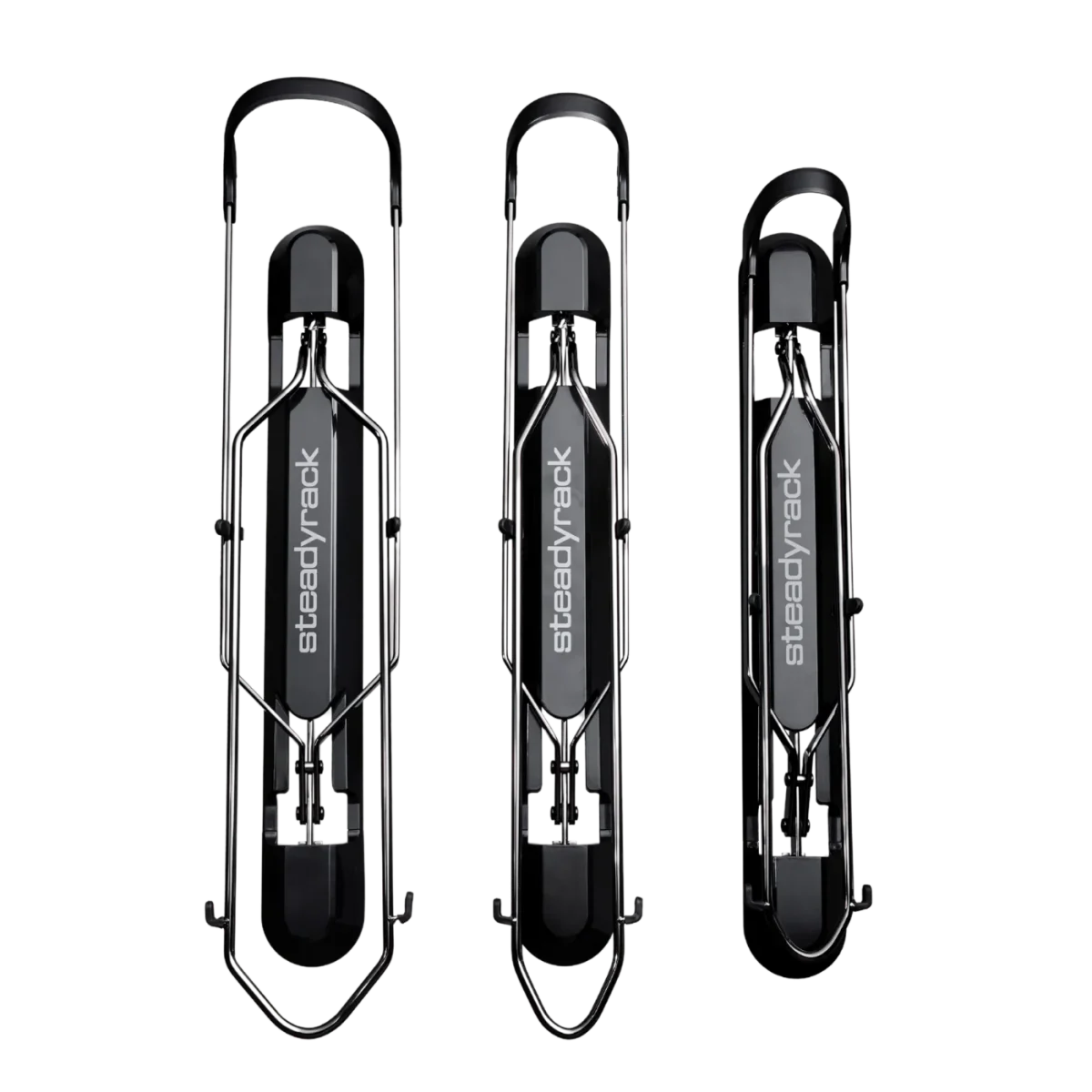
StoreWALL has been supplying brackets to support the Steadyrack bike bracket range for many years. Recently, Steadyrack launched their latest bike bracket, the ProFlex range. We take a look at how you can now install the Steadyrack Proflex on your StoreWALL wall panels.

Lets take a look at the ProFlex and why you would choose this over the Classic bike bracket.

Steadyrack ProFlex range

The ProFlex allows for seamless bike storage without cluttering your space. Designed to integrate effortlessly with the GearMate storage system and future Steadyrack products, it’s the perfect choice for cyclists who value both efficiency and aesthetics.

The enhanced tyre rest reduces wall scuffs, protecting your walls while ensuring a firm, stable hold. Plus, with SteadySaddle technology, it supports bikes with fenders or mudguards, making it a versatile solution for various bike styles.

The newer design, the ability to add on additional hanging options plus the mudguard support make it a very attractive option for serious bike enthusiasts. The price difference is $99.99 vs $129.99

steadyrack proflex on garage wall panelsStoreWALL Compatibility

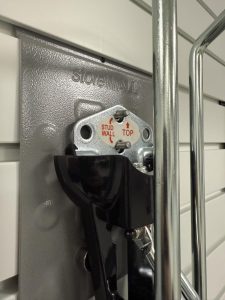
Up until recently, the StoreWALL Steadyrack bracket was specifically designed for the Classic range. It featured two plates, one for the top bracket attachment and one for the lower one. Essentially, the StoreWALL plates where first attached to the wall panels. The Steadyrack bike bracket was then attached to these upper and lower plates using two pre-installed horizontally aligned bolts.

The latest StoreWALL Steadyrack plates use vertically aligned bolts that support both the Classic and the new ProFlex range. The StoreWALL plates are the same size and are supported by two CamLoks on each plate. The key difference is that the pre-installed bolts are vertically aligned.

This means that regardless of which Steadyrack bracket you already have or are about to purchase, the latest StoreWALL brackets will be compatible.

Easy to use instructions on how to complete the installation are issued with every StoreWALL Steadyrack bike bracket order.


Categories
Craft Storage garage design Garage Hooks Garage Ideas

Why a Craft Wall is the Ultimate Craft Storage Solution

As the school year begins again in Australia, teachers are preparing for the year ahead—thinking about ways to enhance their classrooms and improve organisation. One area that often needs attention is craft storage.

The Problem with Traditional Craft Storage

Traditional classroom storage solutions, like drawers and tubs, present several challenges:

  • Limited visibility – Supplies are hidden away, making it difficult to see what’s available.
  • Messy access – Drawers and tubs get cluttered over time, making it hard to keep things organised.
  • Wasted time – Teachers and students spend too much time searching for materials.
  • Inefficient use of space – Large storage units take up valuable classroom space, and stacked tubs can be hard to manage.

A Craft Wall offers a smarter alternative by keeping materials visible, organised, and easily accessible.

What is a Craft Wall?

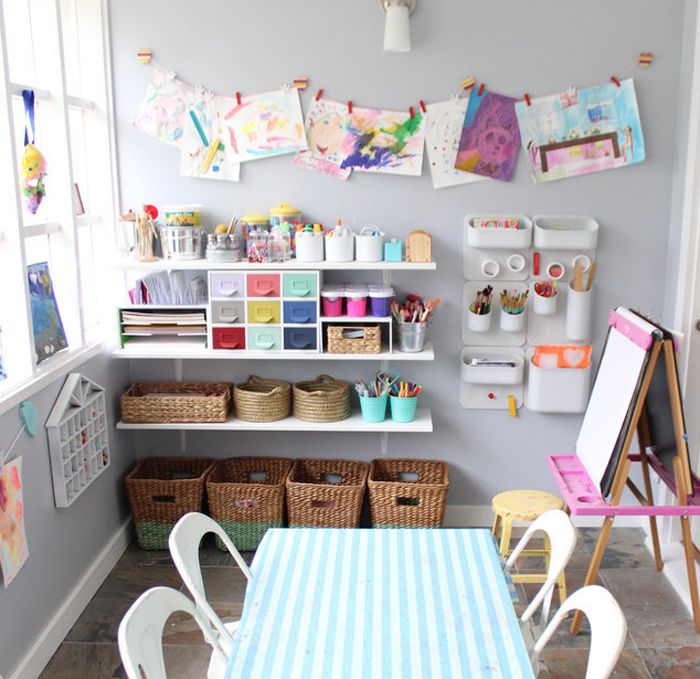
A Craft Wall is a wall-mounted storage system that uses bins, hooks, and shelves to organise craft materials efficiently. Instead of stacking tubs or cramming supplies into drawers, everything is displayed neatly on the wall—ready for instant access.

This setup is not only practical but also encourages creativity. When kids can see their materials, they’re more likely to use them, experiment, and stay engaged in activities.

The Benefits of a Craft Wall

Switching to a Craft Wall can transform how craft supplies are stored and accessed. Here’s why it’s a great idea:

Easy Access & Better Organisation

With a Craft Wall, every item has its place. Whether it’s paintbrushes, glue sticks, coloured paper, or beads, everything is visible and within reach. This reduces the time spent searching for supplies and minimises classroom disruptions.

Saves Space

A traditional chest of drawers or a large shelving unit can take up a significant amount of space. By mounting storage on the wall, you free up valuable floor space, creating a more open and organised environment.

Reduces Clutter – Craft Storage

A well-organised Craft Wall eliminates the need for stacked tubs and messy drawers. Instead, items are stored in designated bins, making it easy for students to grab what they need and put it back when they’re done.

Encourages Independence

Students can quickly identify and retrieve materials themselves, fostering independence and responsibility in keeping their workspace tidy.

Customisable & Expandable

StoreWALL offers a wide range of bin sizes, shapes, and colours, allowing you to design a storage system that suits your specific needs. Our bin options include:

 Slot Bins, Cube Bins, and Large Bins in various sizes
 Colours such as Clear, Crystal Clear, White, Black, and Grey

You can mix and match different bins to create a setup that works for your space, and as your needs grow, your Craft Wall can be easily expanded.

Craft Storage – Not Just for Classrooms!

While a Craft Wall is a fantastic solution for schools, it’s just as useful for:

  • Garages – Perfect for storing tools, screws, and DIY supplies.
  • Home Craft Studios – Ideal for artists, scrapbookers, and hobbyists.
  • Workshops – Keeps small parts, accessories, and materials neatly arranged.

No matter where you install it, a Craft Wall provides a clean, organised, and accessible storage solution.

See It in Action!

To help you visualise how a Craft Wall can improve your space, we’ve included a short video showcasing StoreWALL’s bin range and organisation possibilities.

StoreWALL Large Bins

Final Thoughts

If you’re looking for a smarter way to store craft supplies—whether in the classroom, at home, or in your workspace—a Craft Wall is the perfect solution. With StoreWALL’s versatile bin range, you can create a customised, organised, and efficient storage system that makes craft time easier and more enjoyable.

Want to learn more? Visit the StoreWALL online store and get started on your own Craft Wall today!

Categories
garage design Garage Hooks Garage Ideas garage makeover Mould in Garage PVC vs MDF Slatwall

The Durability of PVC

A Deep Dive into PVC, One of the Most Resilient Materials

PVC (Polyvinyl Chloride) is one of the most widely used synthetic plastic polymers in the world, known for its versatility, affordability, and, most importantly, durability. From everyday household items to complex industrial applications, PVC’s robust properties make it a go-to material across various industries. In this blog post, we’ll explore the durability of PVC and why it stands out among other materials.

What is PVC?

Polyvinyl Chloride, commonly known as PVC, is a high-strength thermoplastic material commonly used in construction for pipes, wiring, and other applications. Its popularity comes from its long-lasting, corrosion-resistant, and weatherproof nature, which makes it ideal for both indoor and outdoor use.

Key Factors Contributing to the Durability of PVC

Chemical Resistance

PVC is highly resistant to many chemicals, including acids, alkalis, and salts, which makes it suitable for various applications where other materials might degrade or corrode. This resistance ensures that PVC remains unaffected by the harsh substances it might encounter in industrial settings or even household environments.

Water and Moisture Resistance

One of the standout features of PVC is its ability to resist water and moisture, making it perfect for applications in damp environments. This is why PVC is widely used in plumbing, rainwater systems, and even outdoor furniture.

PVC – Weather Resistance

Unlike many other materials, PVC can withstand extreme weather conditions, including heavy rain, snow, and UV radiation from the sun. Its ability to endure temperature fluctuations without losing its structural integrity makes it ideal for outdoor use.

Impact Resistance

PVC’s high impact resistance means it can absorb shock without cracking or breaking, making it a durable choice for high-traffic areas or places prone to rough use. This is particularly important for products like PVC wall panels or flooring, which need to endure daily wear and tear.

Longevity

PVC products are known to last for decades without significant degradation. This longevity is not only a testament to its physical properties but also contributes to its cost-effectiveness. For example, PVC pipes have an expected lifespan of over 50 years, outlasting many traditional materials.

Low Maintenance

PVC requires minimal maintenance compared to other materials. It doesn’t need painting, sealing, or frequent repairs, which further enhances its durability and keeps long-term costs down. A simple clean with water and mild detergent is often all it takes to keep PVC products looking new.

Fire Resistance

PVC has inherent fire-resistant properties due to its chlorine content, which slows down the spread of fire. This makes it a safer option for applications in environments where fire safety is a concern.

Mold and Bacteria Resistance

Its non-porous surface makes PVC resistant to mold, mildew, and bacteria, contributing to its durability and suitability for hygienic environments such as hospitals and food processing facilities.

Applications of Durable PVC

The durability of PVC makes it ideal for a wide range of applications, including:

  • Building and Construction: Pipes, window frames, flooring, wall cladding, and roofing sheets.
  • Automotive Industry: Used in dashboard components, cables, and trims due to its impact resistance.
  • Healthcare: Blood bags, tubing, and other medical devices that require a durable, sterile environment.
  • Home and Garden: Furniture, fences, decking, and storage solutions that need to withstand outdoor elements.
  • Industrial Uses: Conveyor belts, protective clothing, and other items exposed to harsh conditions.

Environmental Impact and Recycling

While PVC is highly durable, concerns about its environmental impact have led to significant advancements in recycling processes. Modern PVC can be recycled multiple times without losing its properties, making it a more sustainable option than many alternatives. Recycling PVC not only extends its lifespan but also reduces the environmental footprint of products made from this material.

The Durability of PVC – Conclusion

PVC’s durability is unmatched when it comes to resisting the elements, chemicals, and daily wear and tear. Its versatility and low maintenance needs make it a popular choice in industries ranging from construction to healthcare. As recycling technologies improve, the environmental footprint of PVC continues to shrink, making it not only a durable but also a sustainable choice for the future.

Whether you’re considering PVC for construction, home improvement, or industrial use, its resilience ensures a long-lasting solution that stands the test of time. So, the next time you see PVC in use, you can appreciate the science and engineering that go into making this material a durable, reliable option for a wide range of applications.

Categories
Bike Storage Carport Storage Solution garage design Garage Hooks Garage Ideas garage makeover Garage Storage On TV Shelving

The Limitations of Garage Shelving

When it comes to organizing your garage, adding a few shelves might seem like the easiest solution. While shelves certainly have their place, relying on shelving alone for garage storage can leave you with limited flexibility, wasted space, and ongoing organization challenges. In this article, we’ll explore the limitations of garage shelving, and what alternatives or additions you might consider to truly maximize your garage storage.

Limitations of Garage Shelving

Garage shelving provides some utility, but it often falls short in addressing the diverse storage needs of a garage. Here are some of the limitations that can arise:

Wasted Vertical Space

Standard garage shelving typically leaves a significant amount of vertical space unused. This space could otherwise be used for storing tools, equipment, or seasonal items. Without utilizing the full height of your walls, you may find yourself quickly running out of space and struggling to keep everything accessible.

Difficulty Organizing Small and Medium-Sized Items

Shelves are best suited for large, stackable items or bins, but they can make it difficult to store small and medium-sized items efficiently. When stored on open shelves, items like tools, sports equipment, or cleaning supplies can quickly create clutter and become hard to locate when you need them.

Limited Flexibility

Once installed, traditional shelves can be hard to adjust or reorganize, especially if you’re dealing with fixed or heavy-duty shelving units. Garages often require adaptable storage options that can change with your needs, and shelving alone doesn’t always offer this flexibility.

Risk of Clutter and Accessibility Issues

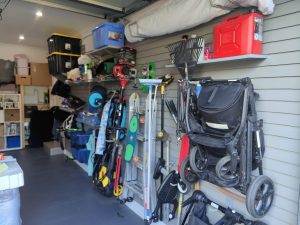
Shelving alone encourages stacking items, which can lead to clutter, making it difficult to access what’s stored in the back. As shelves fill up, it’s easy for items to become piled or hidden, which not only makes organization harder but can also increase the risk of items falling and causing damage.

Underutilized Wall and Ceiling Space

Shelving takes up valuable floor space while leaving the walls and ceiling areas largely unused. This is a missed opportunity, especially in garages where space is at a premium. Ceiling racks, wall panels, or other modular solutions can make better use of these areas and free up floor space for other uses.

Alternative and Complementary Storage Solutions

To make the most of your garage storage, it’s worth exploring other storage options that can work alongside shelving to create a more comprehensive and efficient setup.

Slatwall and Wall Panel Systems

Slatwall systems, like those from StoreWALL, are versatile garage wall storage solutions that allow you to hang hooks, shelves, baskets, and brackets. Unlike traditional shelving, these panels make it easy to store items of varying sizes, such as tools, sporting goods, and gardening supplies. Wall panels allow you to use your walls effectively, keep items accessible, and prevent clutter on shelves.

limitations of garage shelving

Pegboards and Tool Racks

Pegboards and tool racks provide customizable storage for smaller and lighter items. By mounting them on the wall, you keep your tools organized and within reach, while also freeing up valuable shelf space for larger, bulkier items.

Overhead Storage

Overhead racks or ceiling storage solutions are ideal for items that aren’t needed regularly, such as seasonal decor, camping gear, or spare tires. By using the ceiling space, you maximize storage without taking up floor or wall space. Overhead storage keeps these items safe, organized, and out of the way until they’re needed.

limitations of garage shelving

Cabinets and Drawer Units

Cabinets and drawer units offer enclosed storage, which helps reduce dust accumulation and keeps items hidden for a tidier look. Cabinets can house a variety of items that don’t need to be on display, and drawer units work particularly well for storing smaller tools, hardware, or crafting supplies. Additionally, locking cabinets can be useful for securing chemicals, paints, and other hazardous materials safely out of reach.

Bins, Baskets, and Specialized Holders

Adding bins, baskets, and specialized holders (e.g., for sports equipment or gardening tools) can help you organize items that are hard to store on shelves alone. Labelled storage bins allow you to categorize items for easy access, while baskets can hold oddly shaped items like balls, hoses, or extension cords. These can be attached to wall panels or placed on shelves in an organized manner.

Benefits of a Mixed Storage System

Incorporating a variety of storage options in your garage enables you to overcome some of the limitations of garage shelving.

Increased Space Efficiency

By utilizing the walls and ceiling alongside shelving, you can dramatically increase your available storage without sacrificing floor space. Combining shelving with slatwall, overhead storage, and cabinets ensures every inch of the garage is working for you.

Better Organization and Accessibility

A mixed storage system allows you to assign specific places for each type of item, so they’re easy to find and access when needed. You can store frequently used items within reach and keep seldom-used items out of the way.

Improved Safety and Clutter Reduction

A well-organized garage reduces the risk of accidents caused by items falling off overcrowded shelves. Hazardous materials can be safely locked away, and bulky or heavy items can be securely stored on racks or in cabinets, making the space safer for family members.

Enhanced Flexibility for Changing Needs

As your storage needs evolve, a versatile system that includes slatwalls, pegboards, and ceiling storage can adapt with you. You can reconfigure your setup to accommodate new tools, equipment, or seasonal items without a complete overhaul.

Getting Started: Creating a Balanced Storage Plan

To get the most out of your garage, start by assessing your storage needs:

Identify What You Need to Store

  • Make a list of the items you currently store in your garage and those you’d like to add. This helps you determine the types and sizes of storage solutions you’ll need.

Map Out Your Space

  • Measure your garage and sketch a rough layout, marking where you could install shelving, wall panels, ceiling racks, and cabinets. Aim to balance storage across floor, wall, and ceiling areas to avoid overcrowding any one area.

Choose a Combination of Storage Solutions

  • Based on your list and layout, choose a combination of storage options to fit your needs. If you have many small items, prioritize pegboards or slatwall with baskets. For larger items, consider overhead racks or dedicated shelving.

Install and Organize

  • Start by installing the more permanent fixtures, such as slatwall or ceiling racks, before adding smaller storage accessories. Once everything is in place, arrange your items in a logical, accessible way to ensure easy access and organization.

Conclusion – Limitations of Garage Shelving

While garage shelving is a useful storage tool, relying on it alone can limit your options and lead to a cluttered, inefficient space. By combining shelving with wall-mounted systems, ceiling racks, cabinets, and specialized storage accessories, you can create a well-organized and highly efficient garage that meets all your storage needs.

Explore StoreWALL for high-quality slatwall solutions, hooks, baskets, and other accessories that will take your garage organization to the next level. With a thoughtfully designed setup, your garage can become a clean, accessible, and functional space tailored to you.

Categories
garage design Garage Hooks Garage Ideas Shoe Rack Slatwall StoreWALL

Transform Your Retail Space with Slatwall Panels

A Must-Have for Merchandising Success

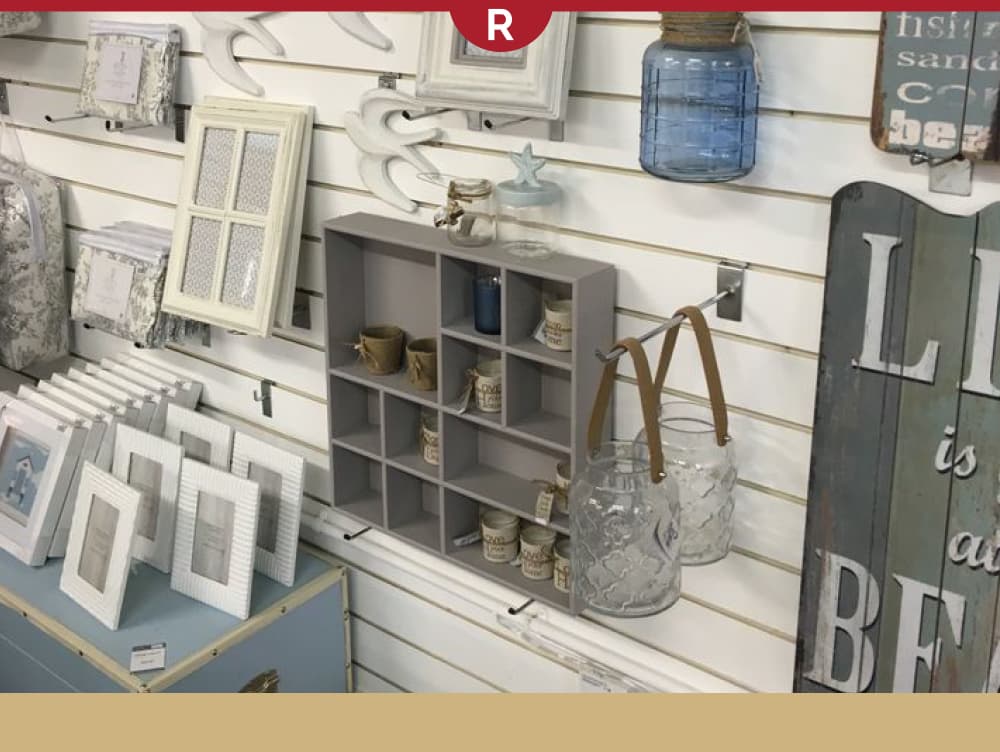
When it comes to designing a retail store, creating a visually appealing and functional display system is key to attracting customers and boosting sales. Enter Slatwall, a versatile and durable display solution that has become a staple in retail environments across industries. Here’s why Slatwall panels are an essential addition to your store and how to use it effectively.

Why Choose Slatwall Panels for Retail?

  1. Versatility for Every Product
    Slatwall panels can accommodate various accessories, such as hooks, brackets, bins, and shelves. This adaptability allows you to display anything from clothing and accessories to electronics, tools, and groceries.
  2. Maximized Space Efficiency
    With vertical panels, Slatwall optimizes wall space, keeping your floor uncluttered and your store organized.
  3. Customizable and Reusable
    You can rearrange displays with ease to match seasonal trends, new inventory, or promotional campaigns without needing new fixtures.
  4. Aesthetic Appeal
    Available in a range of finishes, Slatwall can complement your brand’s style and elevate the overall look of your store.
  5. Durability
    Designed to handle heavy-duty use, Slatwall panels can support both light and heavier merchandise with the right installation and accessories.
How to Use Slatwall in Retail
  1. Clothing and Apparel Stores
    Use hooks to hang garments or shelves to display folded clothing. Add bins for accessories like hats or scarves to create a visually dynamic layout.
  2. Electronics and Tech Shops
    Showcase items like headphones, phone cases, or gadgets using custom brackets and holders.
  3. Home Improvement and Hardware Stores
    Display tools, power equipment, or paint supplies securely with heavy-duty hooks and sturdy brackets.
  4. Grocery and Convenience Stores
    Organize snacks, supplements, and small packaged goods on Slatwall shelves or in bins for easy accessibility.
  5. Point-of-Sale Displays
    Install Slatwall panels near checkout areas to highlight impulse-buy items, boosting sales of smaller, high-margin products.
Retail Space with Slatwall Panels

Tips for Using Slatwall Panels Effectively

  • Create Zones: Divide your panels into sections to group related items, making it easier for customers to browse.
  • Change Displays Regularly: Rotate products and layouts to keep your store looking fresh and engaging.
  • Incorporate Branding: Use custom finishes or branded signage to integrate Slatwall with your store’s design.
  • Invest in Quality Accessories: Use durable hooks and brackets that align with your product’s weight and dimensions.

Slatwall: A Long-Term Investment

Whether you’re opening a new store or revamping your layout, Slatwall offers the flexibility, durability, and aesthetic appeal that retail environments demand. By leveraging its features, you can create a dynamic and customer-friendly shopping experience that drives sales and enhances your store’s efficiency.

Categories
Garage Hooks Garage Ideas garage makeover Home Gym Power Tools Sports Equipment

New Ultra Duty Garage Hook Range: Strength, Versatility, and Durability

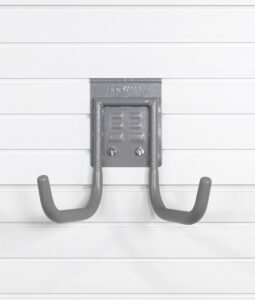
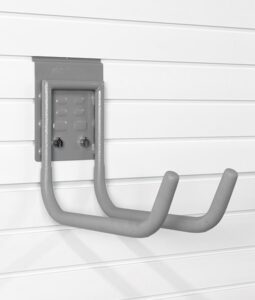
At StoreWALL, innovation never stops. We’re excited to introduce our latest offering — the Ultra Duty Garage Hook range. Built for unparalleled strength and versatility, these hooks and brackets are designed to tackle the heaviest storage needs in your home, garage, or commercial space. With the ability to support up to 80kgs per hook, this new range is the strongest yet from StoreWALL.

Here’s a closer look at the four new additions to the Ultra Duty lineup and how they can transform your garage storage solutions.

1. Ultra Duty Wide Hook

If you loved the classic StoreWALL Wide Hook, get ready to be impressed. The Ultra Duty Wide Hook is 2-3 times larger and significantly stronger. Its design allows it to hold bulky and oversized items that the standard hook just can’t handle.

Key Specifications

  • Dimensions: 304mm (H) x 330mm (W) x 254mm (D)
  • Weight Capacity: Up to 80 kg

This hook is ideal for holding larger tools, sports equipment, or heavy-duty power tools. Its wide design offers maximum surface contact, ensuring stability and reducing the risk of items falling.

ultra duty garage hook2. Ultra Duty Utility Hook

Say goodbye to storage limits with the Ultra Duty Utility Hook. Modelled after the HD Universal Hook, this new version is much larger, making it perfect for items that require deeper, more secure support.

Key Specifications

  • Dimensions: 304mm (H) x 152mm (W) x 381mm (D)
  • Weight Capacity: Up to 80 kg

This hook is perfect for securing large gardening tools, electrical cords, hoses, or even sports equipment. Its generous depth (381mm) gives you the flexibility to hang long, oversized items safely and securely.

ultra duty garage hook3. Ultra Duty 635mm Surf & Paddle Board Bracket
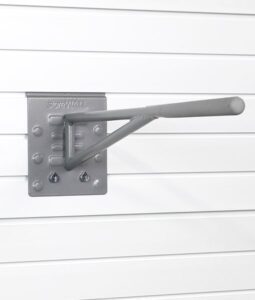
Water sports enthusiasts will love the new 635mm Surf & Paddle Board Bracket. Specifically designed to make it easier to lift and store paddle boards, surfboards, and even canoes, this bracket allows for simple access.

Key Specifications

  • Dimensions: 203mm (H) x 152mm (W) x 635mm (D)
  • Weight Capacity: Up to 90 kg (200 lbs)

Unlike previous board brackets, this new design sits flush against the wall, which means no awkward lifting or tilting is required. Simply slide your board in and out with ease.

StoreWALL Ultra Duty Paddle Board Bracket4. Ultra Duty 381mm Surf & Paddle Board Bracket
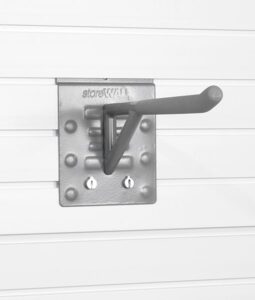
For those with smaller surfboards or paddleboards, the 381mm version of the Surf & Paddle Board Bracket is a perfect fit. It’s a more compact option for people who have limited wall space but still want the same easy access.

Key Specifications

  • Dimensions: 203mm (H) x 152mm (W) x 381mm (D)
  • Weight Capacity: Up to 90 kg (200 lbs)

This version works well in tighter garage spaces or for those with smaller boards. It offers the same flush-to-wall design as its larger sibling but with a shorter depth, making it an ideal choice for compact spaces.

ultra duty garage hookWhat Makes the Ultra Duty Garage Hook Range Unique?

The Ultra Duty Garage Hook range isn’t just bigger and stronger — it’s smarter too. These hooks feature:

  • Two CamLoks for extra security: Unlike standard hooks with a single CamLok, the Ultra Duty hooks have two. This dual lock system provides increased grip, ensuring the hook stays firmly in place even under maximum load.
  • Larger backplates for stability: The wider backplate spreads the weight more evenly, reducing pressure on any single point of the wall panel.
  • Compatible with StoreWALL Heavy Duty Wall Panels: While these hooks work with standard StoreWALL panels, we recommend pairing them with Heavy Duty Wall Panels and HD InstallStrips if you plan to load them to their full capacity of 80 kg.
Categories
Epoxy Floors garage design Garage Hooks Garage Ideas garage makeover

Finishing Your New Home Properly

Premium Garage Storage for New Builds

When building a new home, most people focus on the big-ticket items — the kitchen, bathrooms, flooring, and outdoor areas. By the time you move in, you’ve already invested heavily in the quality, layout, and finishes of the house.

But there’s one space that’s often left unfinished or overlooked: the garage.

For many new homeowners, the garage becomes the largest and most versatile room in the house. It stores tools, sports gear, bikes, gardening equipment, seasonal items, and often doubles as a workshop or utility space. Setting it up properly from day one is the final step in truly completing your new home.

Why the Garage Deserves the Same Attention as the Rest of the House

Even without epoxy floors or designer finishes, a new-build garage already has major advantages:

  • Fresh concrete slab
  • Clean, straight walls
  • No existing clutter
  • Modern lighting and power

This makes it the perfect blank canvas for a premium garage storage system.

Instead of letting boxes pile up or drilling random hooks into the walls, installing a well-planned wall storage system allows you to:

  • Protect your investment
  • Keep possessions organised and off the floor
  • Maintain a clean, uncluttered look
  • Add long-term value to your home

What Is Premium Garage Storage?

Premium garage storage goes beyond basic shelving or pegboard. It’s a modular wall-based system designed to support heavy loads, adapt as your needs change, and keep everything accessible.

Key features of premium systems include:

  • Heavy-duty wall panels fixed securely to studs or masonry
  • Load-rated hooks, shelves, baskets, and cabinets
  • Adjustable layouts without re-drilling walls
  • Clean, architectural finishes that suit modern homes

This type of storage is designed to last for decades — not just until the next clean-up.

Why New Builds Are Ideal for Installing Garage Wall Storage

1. No Retrofitting Required

With a new home, walls are straight, undamaged, and easy to plan around. Installing a storage system early avoids patching holes or working around existing fixings later.

2. You Can Design the Layout Properly

Before clutter sets in, you can:

  • Allocate zones for tools, sports gear, garden equipment, and household storage
  • Keep high-use items within easy reach
  • Store heavier items safely at appropriate heights

3. It Protects New Floors

Most new garages don’t have epoxy floors installed immediately. A wall storage system keeps items off the ground, reducing scuffs, stains, and wear on the concrete slab.

What Should You Store in a Premium Garage System?

A well-designed garage wall storage setup can handle almost everything you’d normally stack on the floor:

  • Power tools and hand tools
  • Ladders, hoses, and garden tools
  • Bikes, scooters, and sporting equipment
  • Storage tubs and seasonal items
  • Workshop gear and cleaning supplies

By keeping items vertical and organised, the garage remains usable — not just a dumping ground.

best garage wall storageAesthetic Matters in a New Home

After choosing tiles, benchtops, and cabinetry throughout your house, a messy garage feels out of place.

Premium storage systems are designed to:

  • Match modern building styles
  • Create visual order
  • Give the garage a “finished” look

Even without epoxy floors, clean walls with structured storage instantly elevate the space.

Long-Term Value and Flexibility

One of the biggest advantages of modular garage wall storage is flexibility:

  • Hooks and shelves can be repositioned as your needs change
  • New accessories can be added without re-drilling
  • The system grows with your family, hobbies, or tools

This makes it ideal for new homeowners who know their storage needs will evolve over time.

Common Mistakes to Avoid in New Garages

  • Installing random hooks without a plan
  • Relying on freestanding shelves that eat up floor space
  • Overloading plasterboard without proper support
  • Treating the garage as temporary instead of permanent

A premium system avoids these issues by design.

Final Thoughts: Complete the Home, Not Just the House

Building a new home is a major investment. Finishing it properly means thinking beyond living spaces and giving the garage the same level of consideration.

A premium garage storage system:

  • Protects your possessions
  • Keeps your garage functional and organised
  • Enhances the look and usability of your home
  • Adds long-term value without needing flashy finishes

You don’t need epoxy floors to have a great garage — you just need smart, durable storage that works from day one.

    Categories
    Bike Storage garage design Garage Hooks Garage Ideas garage makeover

    The Most Space-Saving Way to Store a Bike

    Storing a bicycle efficiently is a common challenge for homeowners and apartment dwellers alike. Whether you’re short on garage space, sharing a small apartment, or simply want to declutter, choosing the right storage method can make all the difference. In this guide, we’ll explore the most space-saving way to store a bike — with detailed measurements, pros and cons, and practical advice on what works best.

    🚴 Why Space Matters

    A standard adult bicycle measures:

    • Length: approx. 170–180 cm
    • Handlebar width: approx. 60–70 cm
    • Wheel diameter: 26″–29″ (66–74 cm)
    • Height from ground: 95–110 cm when upright

    That means a single bike can occupy over 1.2 square metres when stored on the ground. Multiply that by multiple bikes in a home, and you’re quickly dealing with serious floor space consumption — especially in smaller garages or homes with growing families.


    🚲 1. Storing on the Ground

    📏 Footprint: ~180cm (L) × 70cm (W)
    Rating: ★☆☆☆☆

    Pros:

    • Easiest access — no lifting
    • Great for frequent riders
    • Stable if on a rack or kickstand

    Cons:

    • Takes up significant floor space
    • Trip hazard
    • Not suitable for compact storage
    • Dirt/oil may contact floors

    Best for: Riders who use their bikes daily and have ample garage space

    🚲 2. Horizontal on the Wall

    (Bike is mounted flat and parallel to the ground)

    📏 Wall space: ~180cm (W) × 110cm (H); protrudes 60–80cm
    Rating: ★★☆☆☆

    Pros:

    • Keeps the bike off the floor
    • Visually appealing (great for displaying bikes)
    • Easy to grab and go

    Cons:

    • Takes up large horizontal wall space
    • Protrudes into garage or room
    • Requires strong mounting system

    Best for: Wide garage walls or stylish indoor setups (e.g., apartments). Use StoreWALL 381mm Brackets with padding for this option.

    🚲 3. Perpendicular to the Wall

    (Bike is hung by the front wheel; rear wheel sticks out)

    📏 Wall space: 180cm (H), 60cm (W) × 120–150cm (out from the wall)
    Rating: ★★★☆☆

    Pros:

    • Uses vertical height
    • Saves floor space
    • Quick installation with a simple hook

    Cons:

    • Rear wheel projects into usable garage area
    • Not fully flat to the wall
    • Lifting required

    Best for: Side garage walls or hallways where depth isn’t an issue. Consider a StoreWALL Rotating Bike Hook which allows for perpendicular hanging but also swings the bike closer to the wall.

    🚲 4. Upright Flat on the Wall

    (Bike is stored vertically, both wheels flat against the wall)

    📏 Wall space: 180cm (H), 60–70cm (W) × 60cm (D)
    Rating: ★★★★★

    Pros:

    • Most space-saving option
    • Minimal intrusion into the room
    • Great for storing multiple bikes in a row
    • Clean and professional appearance
    • Ideal for garage or apartment walls

    Cons:

    • Requires lifting the bike onto hook (lightweight bikes preferred)
    • Best when paired with a wall panel system for weight distribution

    Best for: Garages, under stair storage, behind doors, and narrow walls. Consider a StoreWALL Heavy Duty Universal Hook.

    🛠 Recommended System: StoreWALL Heavy Duty Universal Hook or a StoreWALL Rotating Bike Hook

    At StoreWALL Australia, we recommend pairing our Heady Duty Universal Hook or our Rotating Bike Hook with our StoreWALL Wall Panels. This combination provides:

    • Strong support for heavy bikes
    • Secure locking mechanism to prevent bikes from falling
    • Full customisation — add more hooks, shelves, or baskets later
    • A clean, modular design that grows with your storage needs

    For example, in a standard single garage wall (approx. 2.4m high × 3.6m wide), you can easily fit 3–4 bikes vertically using this method — and still have room underneath for bins or tool storage.

    The Most Space-Saving Way to Store a Bike

    🏁 Final Verdict: Go Vertical

    When it comes to saving space and keeping your garage or home organised, storing your bike upright and flat against the wall is the most efficient solution. It maximises vertical space, keeps the floor clear, and offers a safe, secure, and clean look — especially when combined with StoreWALL’s smart storage solutions.